

South Florida’s STR Rules Just Entered a New Era
Short-term rentals have become an essential part of South Florida’s tourism engine — but so have the community conversations around noise, zoning, and neighborhood balance. In 2025, the region began rolling out one of the most sophisticated compliance frameworks in the state, blending technology, clearer zoning, and stronger oversight to protect both residents and responsible hosts.
Below is a comprehensive, human-friendly guide explaining what’s changing, why it matters, and how it affects everyone from homeowners to guests checking into a weekend stay.
The Rise of Tech-Driven Enforcement
South Florida cities have gone digital — and enforcement now looks more like data science than old-fashioned patrols.
AI-powered listing detection
Cities like Key Biscayne and Fort Lauderdale use software that scans platforms such as Airbnb and Vrbo, matches addresses, and flags any unlicensed rentals automatically.
This digital “case file” gives code officers everything they need to act quickly — without waiting for neighbor complaints.
Permit-number verification
More cities now require license numbers to appear on every listing.
Platforms and regulators can instantly flag invalid or missing numbers, making it harder for illegal rentals to slip through.
Mandatory noise-monitoring devices
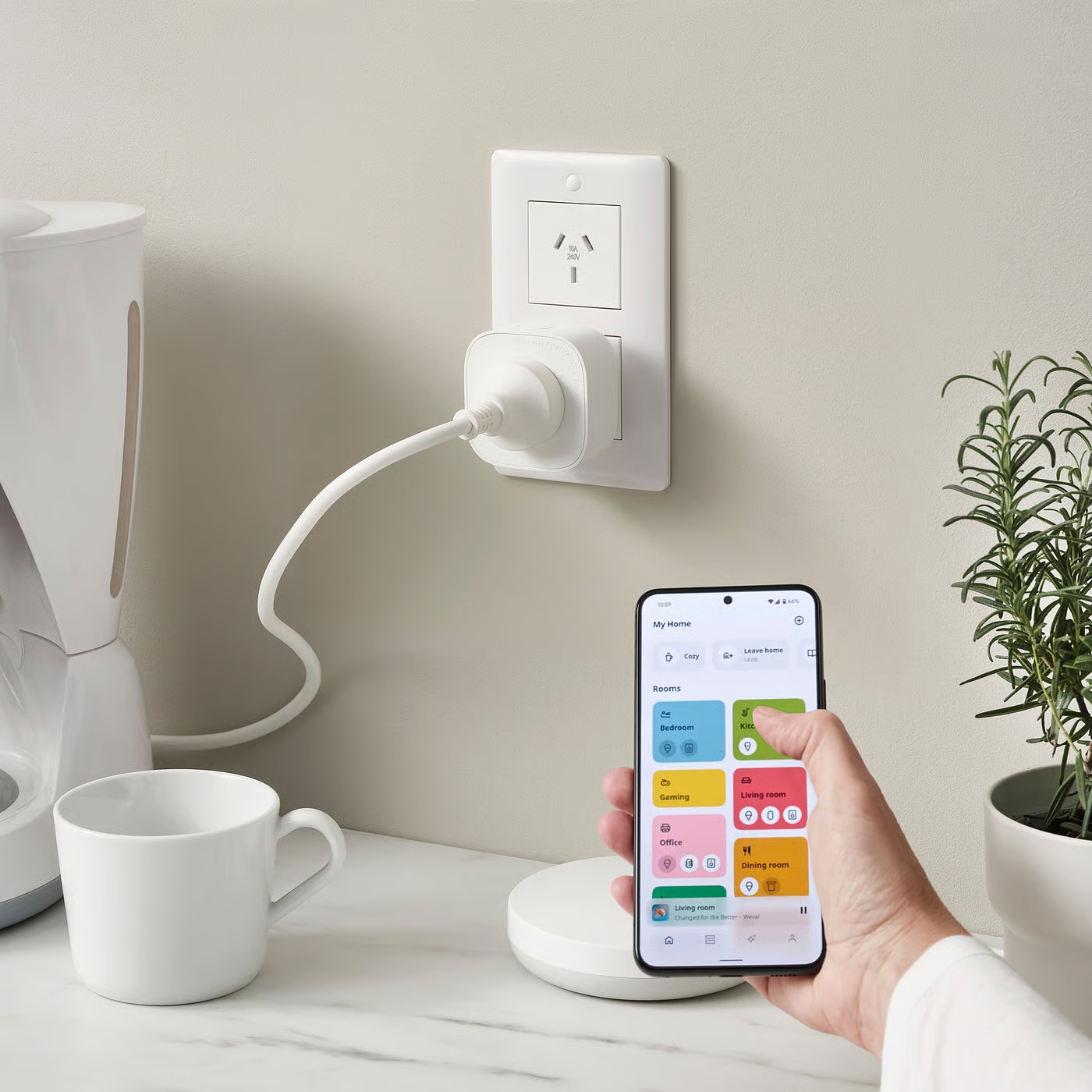
Hollywood, Fort Lauderdale, and others now require privacy-safe noise sensors in every STR.
They don’t record audio — they simply track decibel levels and alert hosts (or the city) when quiet hours are exceeded.
Integrated quiet-hour enforcement
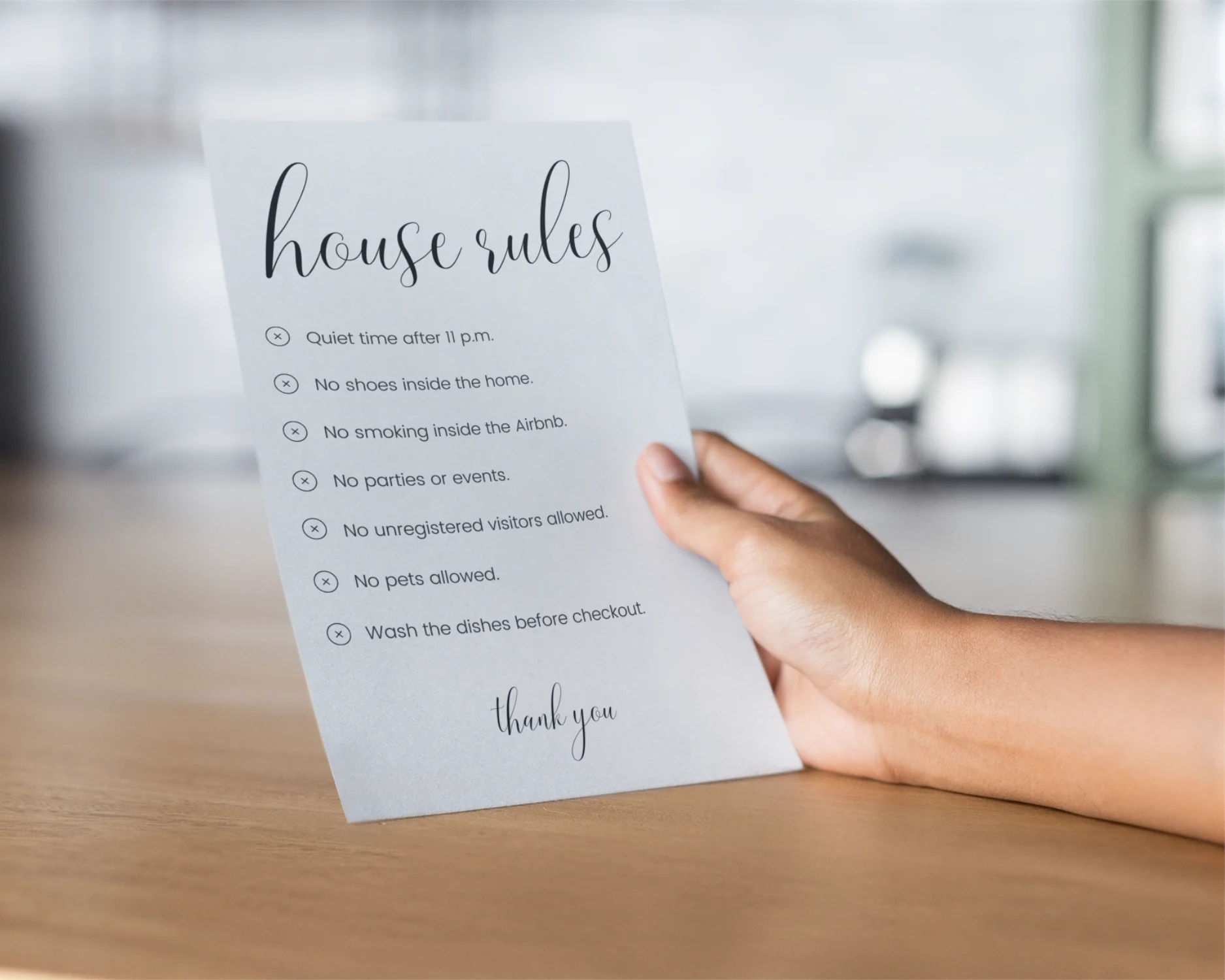
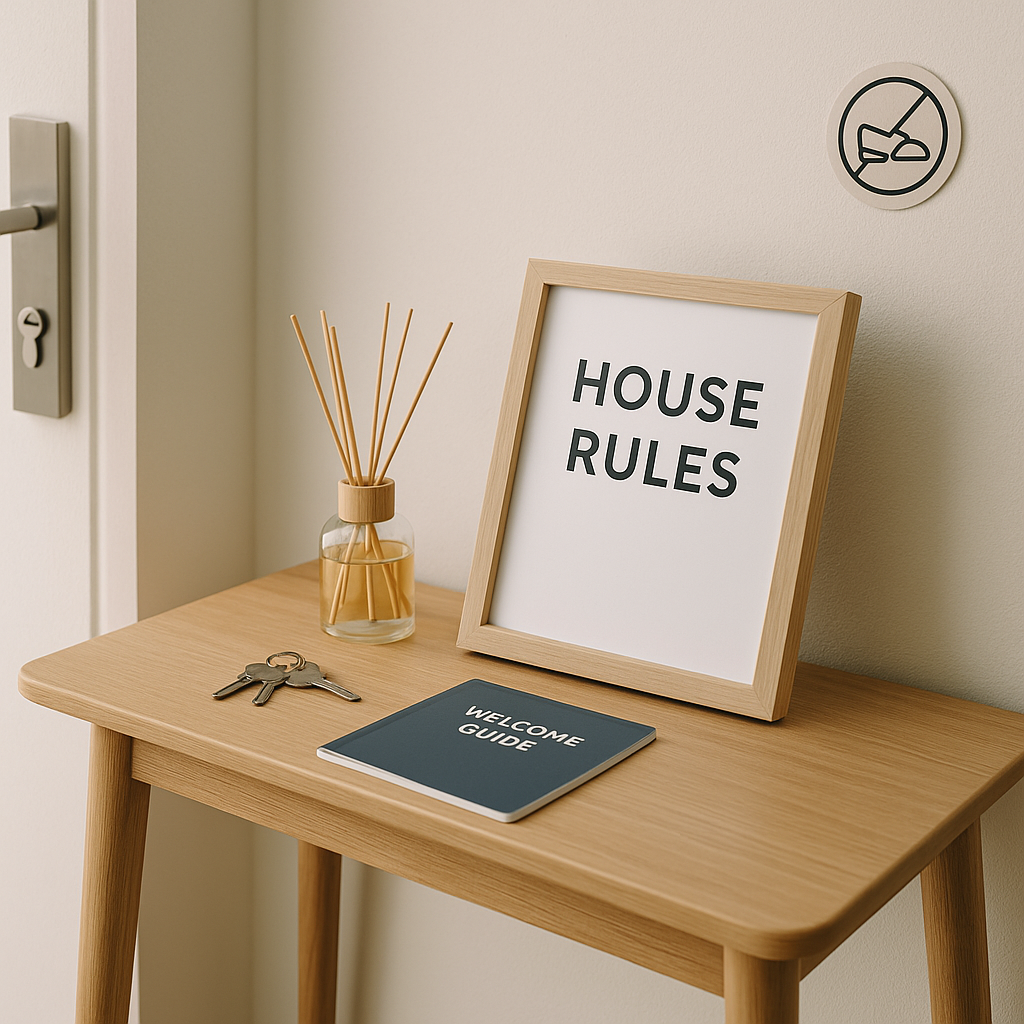
Guests are proactively informed about local sound rules, and hosts must keep noise data logs. Some cities are piloting three-strike rules that require additional monitoring if repeated complaints occur.
This technology allows cities to enforce rules 24/7 without 24/7 staff — and it has drastically reduced party-house issues.
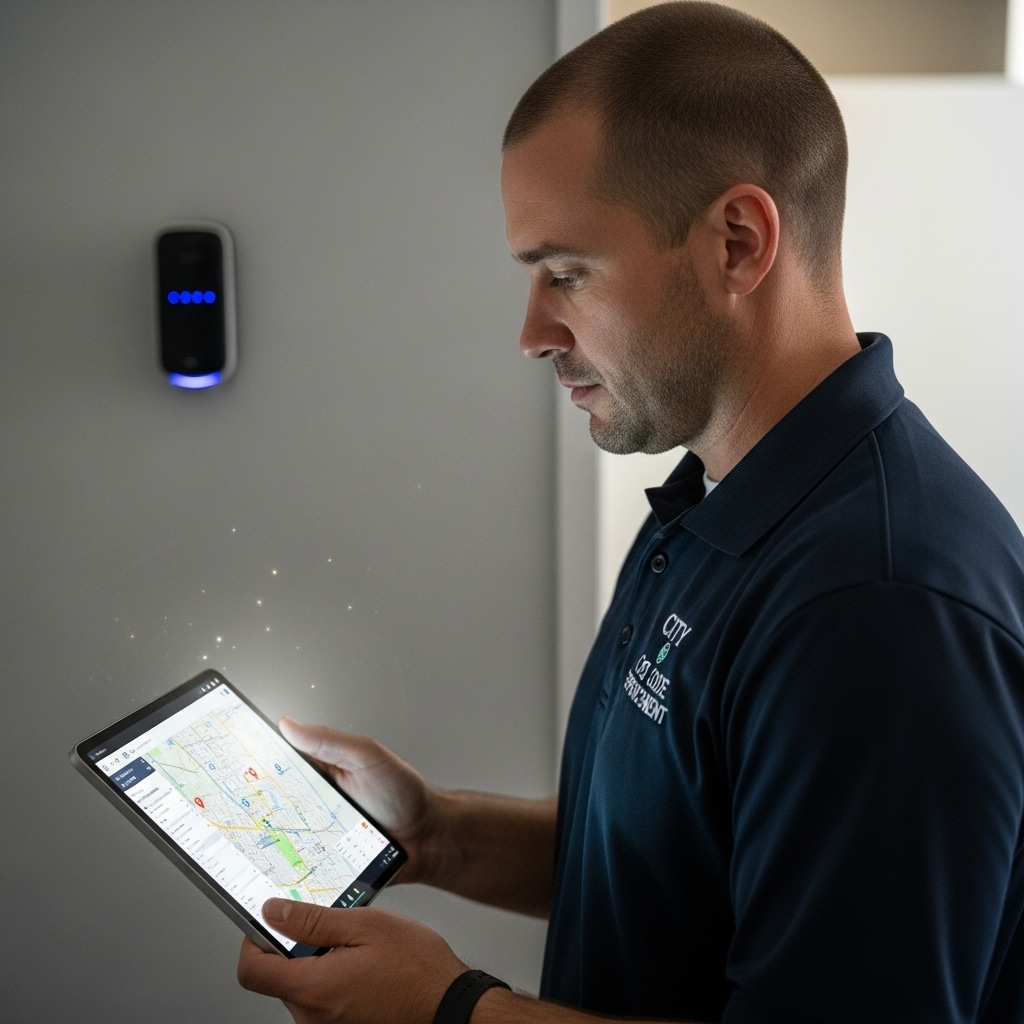
“STR Map Modernization”: Zoning Gets Crystal Clear
For years, zoning was buried in legal language.
Now, cities are publishing simple STR zoning maps, making allowed vs. prohibited areas unmistakably clear.
New overlay zones
Cities across Miami-Dade, Broward, and Palm Beach are drawing sharper lines between:
- Tourist-friendly districts
- Quiet, residential neighborhoods
Miami Beach, for example, bans short-term rentals under six months in most residential zones and publishes an interactive map so owners can check an address in seconds.
Minimum-stay rules with real enforcement
Some municipalities enforce:
- 15-day minimums (Key Biscayne)
- 7-night minimums
- Neighborhood-specific stay requirements
And those rules now have teeth: cities issue escalating daily fines, sometimes reaching hundreds per day
Transparent digital maps
Cities now offer:
- Downloadable zoning maps
- Public STR address lists
- GIS search tools
This transparency helps hosts avoid mistakes — and enables residents to identify illegal rentals immediately.

City-by-City Compliance Upgrades
Each city has taken its own approach, but the trend is unmistakable: clearer rules, faster enforcement, and more accountability.
Hollywood
- Mandatory noise-monitor devices
- Posted signage with license number + 24/7 contact
- Tech-supported hotline for complaints
- Stronger quiet-hour and parking enforcement
The city’s goal: tourism that doesn’t compromise residential life.
Miami-Dade (Countywide rules, outside cities)
- Annual Certificate of Use + inspection
- Steep fines that escalate rapidly
- Discussions about virtual inspections and compliance bonds
This creates a predictable system for investors and protects residents countywide.
Fort Lauderdale
- STR license required
- Cap of four units per host
- Surprise inspections
- Annual renewal audits with documentation
- Mandatory noise detectors + record-keeping
The city treats STRs as a regulated business — not a casual sideline.
Miami Beach
One of the strictest regimes in the country:
- Fines starting at $20,000 for illegal rentals
- Aggressive platform partnerships (geo-fencing illegal zones)
- Enforcement teams conducting night inspections
- Repeat violations can escalate dramatically
Miami Beach’s approach is designed to eliminate illegal STRs entirely, not reform them.

How Communities Are Benefiting
Residents across South Florida are noticing positive changes.
Cleaner, quieter neighborhoods
Noise sensors, occupancy caps, and stricter turnover rules are reducing:
- Late-night parties
- Overflowing trash
- Excessive street parking
Cities report fewer nuisance complaints — a major quality-of-life win.
Faster, more responsive enforcement
Dedicated STR hotlines and reporting portals mean neighbors don’t have to call 911 for non-emergencies.
Some cities even use text-alert systems to notify hosts instantly when a complaint is filed.
Preservation of neighborhood character
STR zoning maps prevent residential streets from quietly turning into unregulated mini-hotels.
Residents now know exactly what is allowed — and what isn’t — on their block.
Overall quality-of-life improvements
With posted licenses, emergency contacts, and predictable rules, neighborhoods feel more stable and less burdened by STR activity.
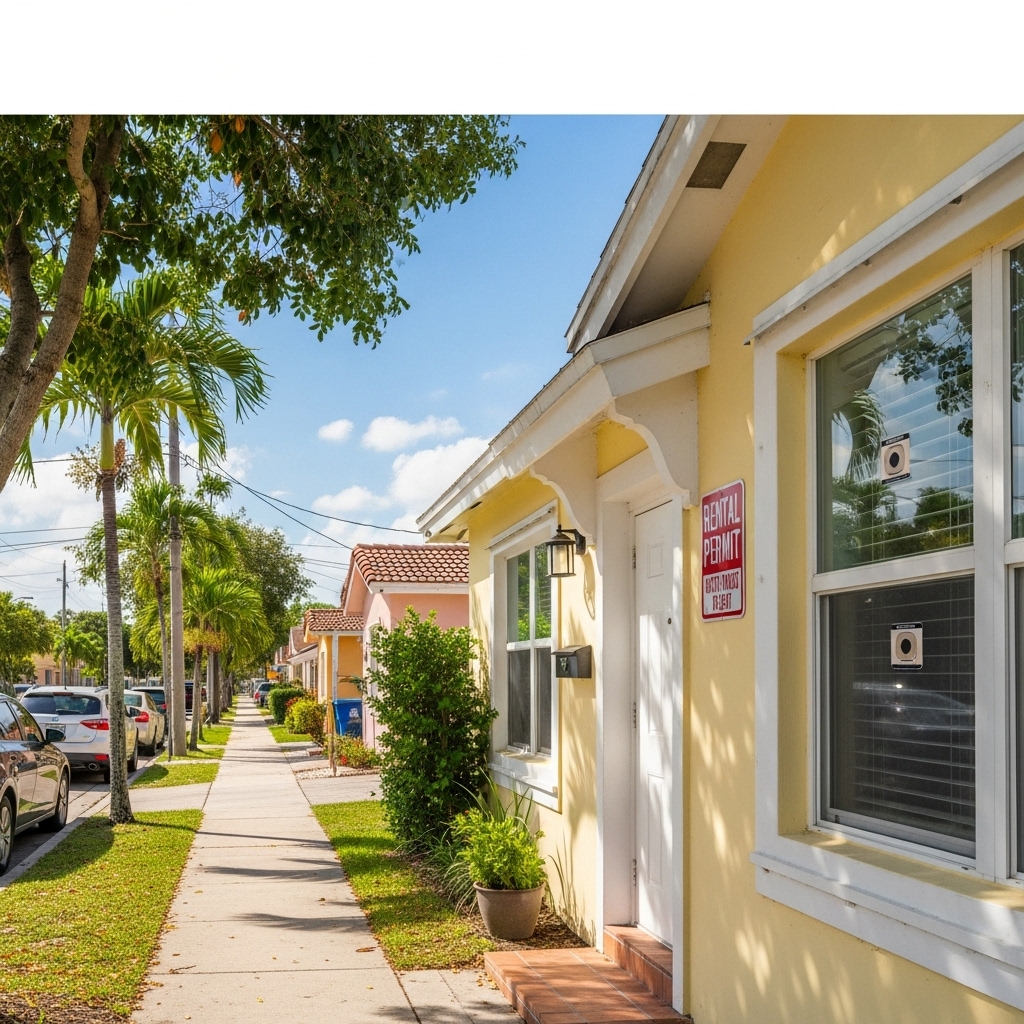
What Hosts Must Do in 2025
Compliance expectations are higher — but also clearer.
Keep listings synced with actual licenses
Hosts must display accurate:
- State DBPR license
- City license
- County tax accounts (if required)
Missing or outdated numbers trigger automatic platform flags.
Proactively communicate rules to guests
Hosts now send:
- Quiet hours
- Occupancy limits
- Parking instructions
- Trash days
- Ordinance summaries
This is no longer optional — many cities require written acknowledgement.
Maintain “quiet enjoyment” standards
Hosts must:
- Monitor noise
- Ensure proper parking
- Enforce occupancy limits
- Respect neighborhood norms
Failure to intervene can lead to immediate fines.
Stay inspection-ready
Surprise inspections are now common.
Hosts need up-to-date:
- Smoke detectors
- Fire extinguishers
- Exit routes
- Guest logs
- Noise-monitor data
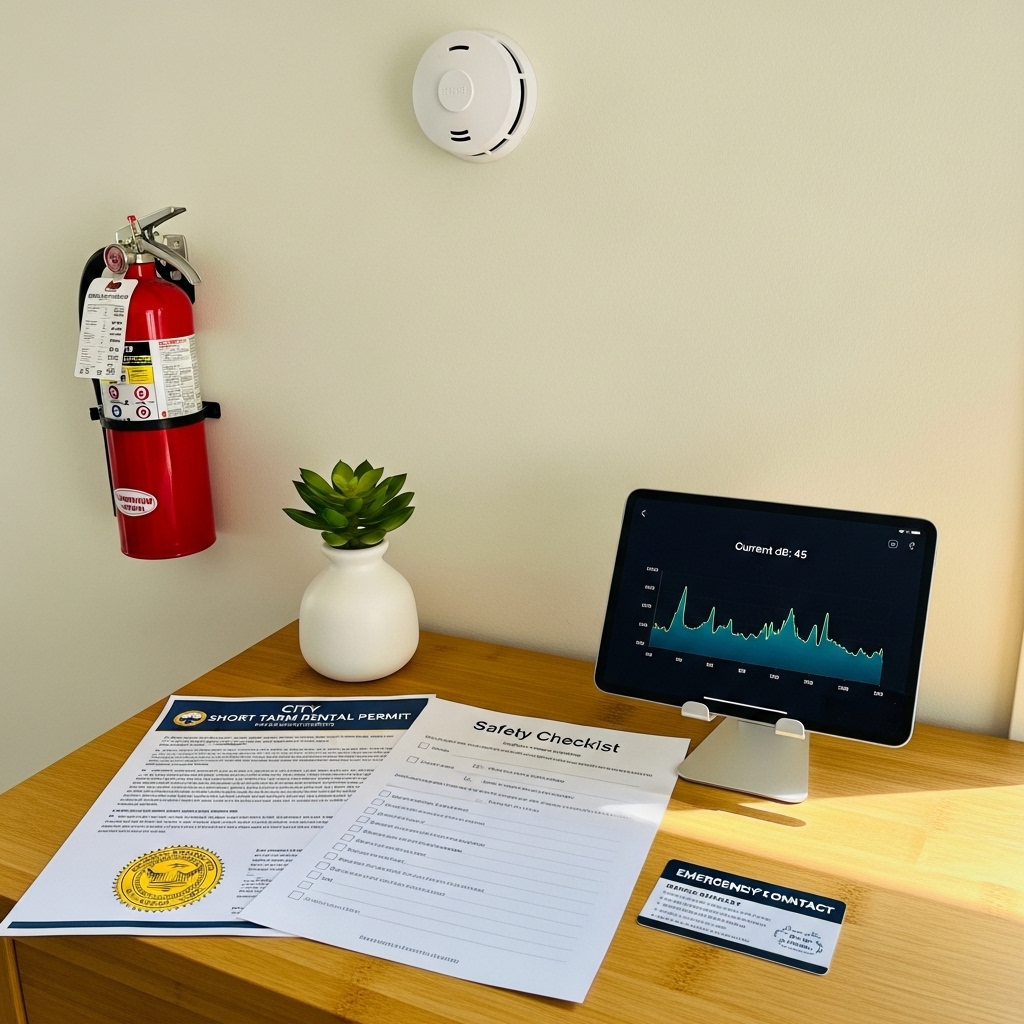
Penalties escalate quickly for repeat violations — and permits can be suspended.
What Guests Will Notice This Year
The guest experience is becoming more transparent — and safer.
Visible proof of legitimacy
Expect to see:
- Posted licenses
- Maximum occupancy notices
- Local contact information
- Safety equipment clearly displayed
These details help reassure travelers that the rental is legal and safe.
Dedicated emergency contacts
Guests now have a 24/7 phone number for:
- Lockouts
- Noise concerns
- Maintenance issues
- Urgent questions
This mirrors hotel-level responsiveness.
Predictable stay standards
Clear rules create a smoother experience:
- Respectful noise expectations
- Safe occupancy limits
- Transparent parking rules
Licensed rentals feel more consistent and professional.
More ways to verify a rental’s legality
Many cities offer address-lookup tools so guests can confirm a listing is authorized before booking.
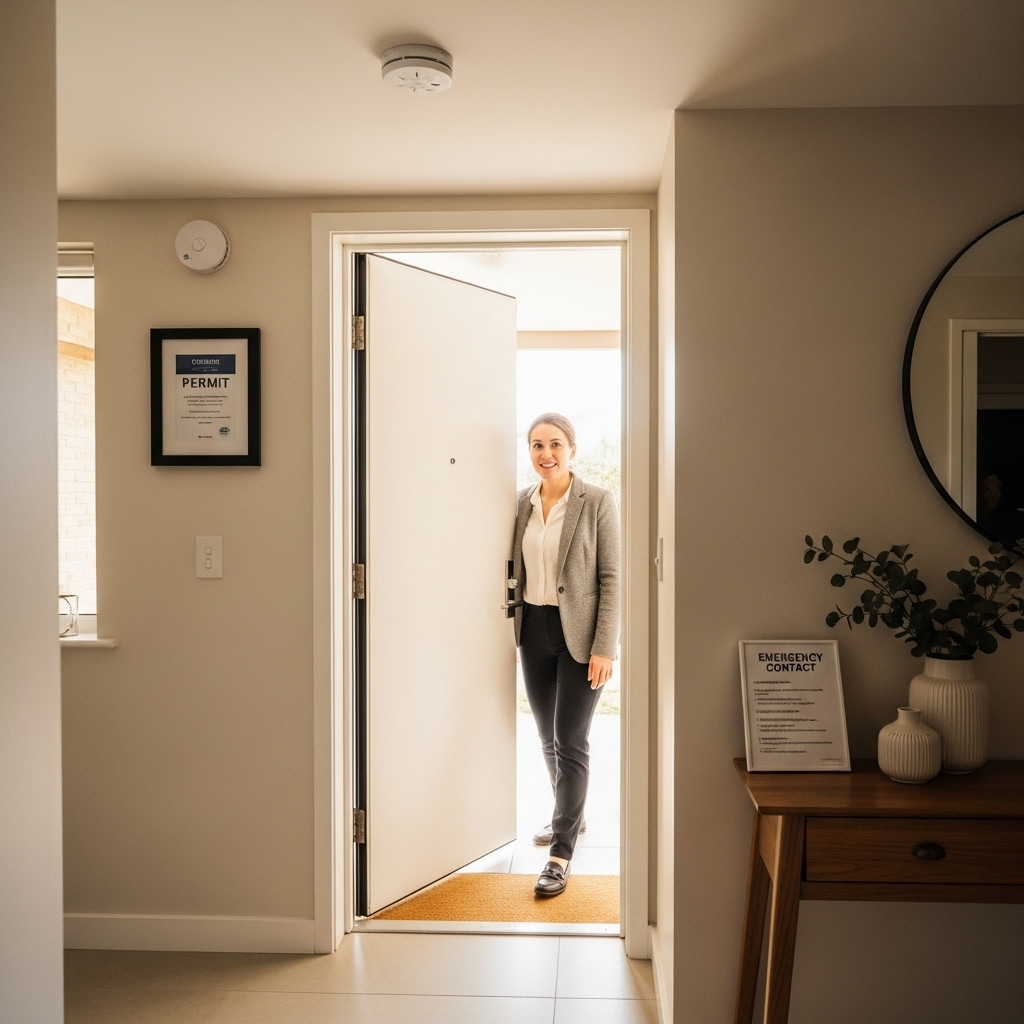
The Data Revolution Behind the Scenes
Compliance is now powered by dashboards, analytics, and shared data.
Real-time detection dashboards
Cities use tools that track:
- Every active listing
- Licensing matches
- Complaint histories
- Violations and resolutions
This helps pinpoint issues quickly and fairly.
Public STR data
Some cities publish:
- Maps of legal rentals
- Complaint statistics
- Enforcement actions
- License lists
This transparency builds trust with residents.
Use of AirDNA + CoStar analytics
Counties and cities analyze:
- STR occupancy
- ADR trends
- Listing growth
- Neighborhood saturation
These insights inform zoning and policy updates.

What’s Coming Next (2025–2026)
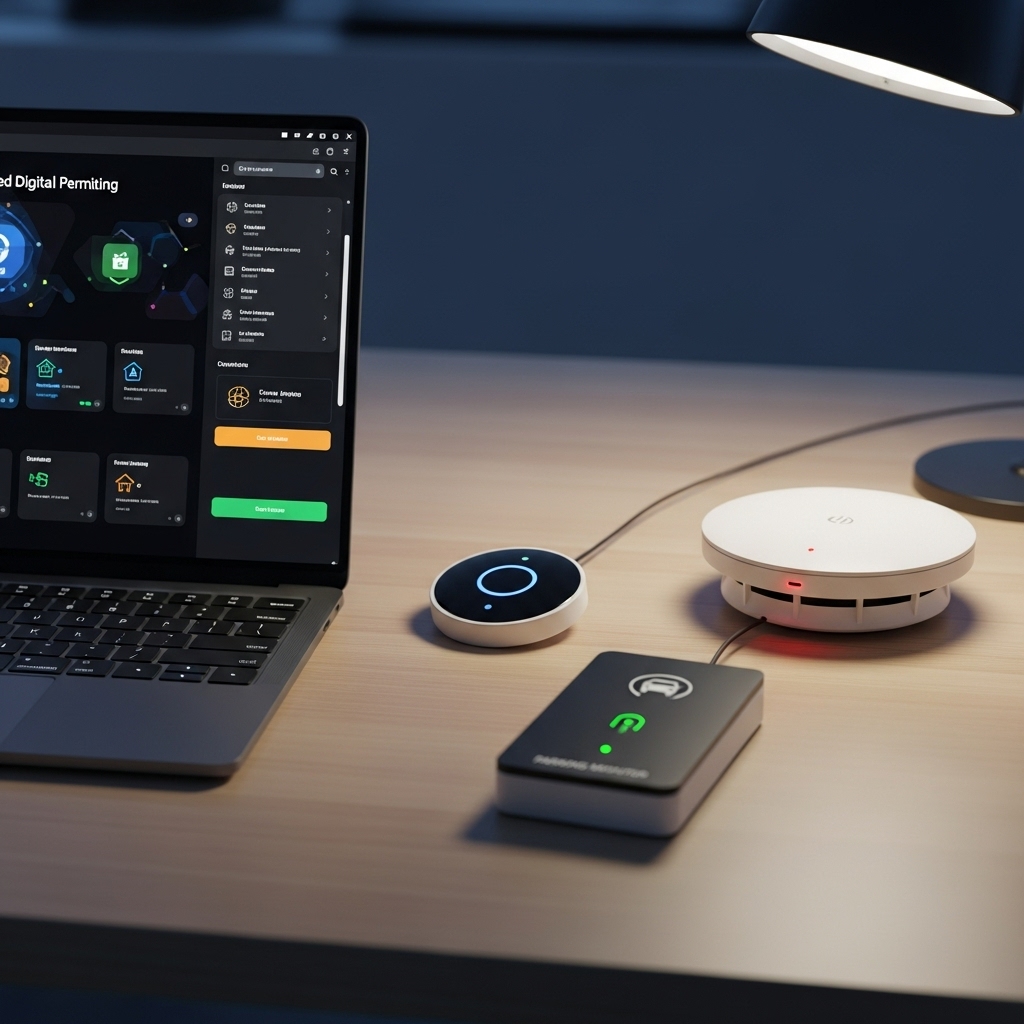
More required sensors
Cities are exploring:
- Occupancy sensors
- Parking monitoring devices
- Cigarette-smoke detection
- Advanced noise tracking
By 2026, these may become standard in larger STRs.
Unified digital permitting
Expect:
- Centralized countywide portals
- Single-application licensing
- Integrated tax + safety documentation
- Automated renewal reminders
This will simplify compliance significantly.
Platform-city data syncing
Airbnb and Vrbo are already geo-blocking illegal zones in Miami Beach.
More cities are expected to adopt:
- Auto-license verification
- API-based data sharing
- Listing removal tools
This will make illegal rentals nearly impossible to operate.
County-level standardization
To reduce the patchwork of rules, counties may begin aligning:
- Definitions
- Occupancy formulas
- Noise rules
- Minimum standards
This would bring long-awaited consistency to the region.
Why Compliance Is Ultimately a Good Thing
Professional operators benefit
Stricter rules weed out bad actors and elevate the entire market, creating:
- Higher guest trust
- Better community acceptance
- A clearer path for long-term operators
Communities feel balanced and protected
Residents regain peace, while cities maintain tourism revenue.
Fair, data-driven enforcement
With clear standards and due process, compliant hosts aren’t punished.
Cities focus enforcement on repeat offenders — not responsible operators.
This balance is allowing South Florida to remain STR-friendly in a sustainable, community-aligned way.

Guest-Facing Sidebar: What Travelers Should Know
How to verify a legal STR:
- Look for license numbers in the listing
- Check city address-lookup tools
- Ask the host if unsure
- Expect posted permits upon arrival
Why noise sensors exist:
- They track decibels, not conversations
- They protect you from false complaints
- They stop issues before they escalate
Signs you booked a legitimate STR:
- Posted safety notices
- Clearly communicated rules
- 24/7 local contact
- Taxes properly charged
Legal STRs are safer, smoother, and far less likely to face disruption — a major win for guests.