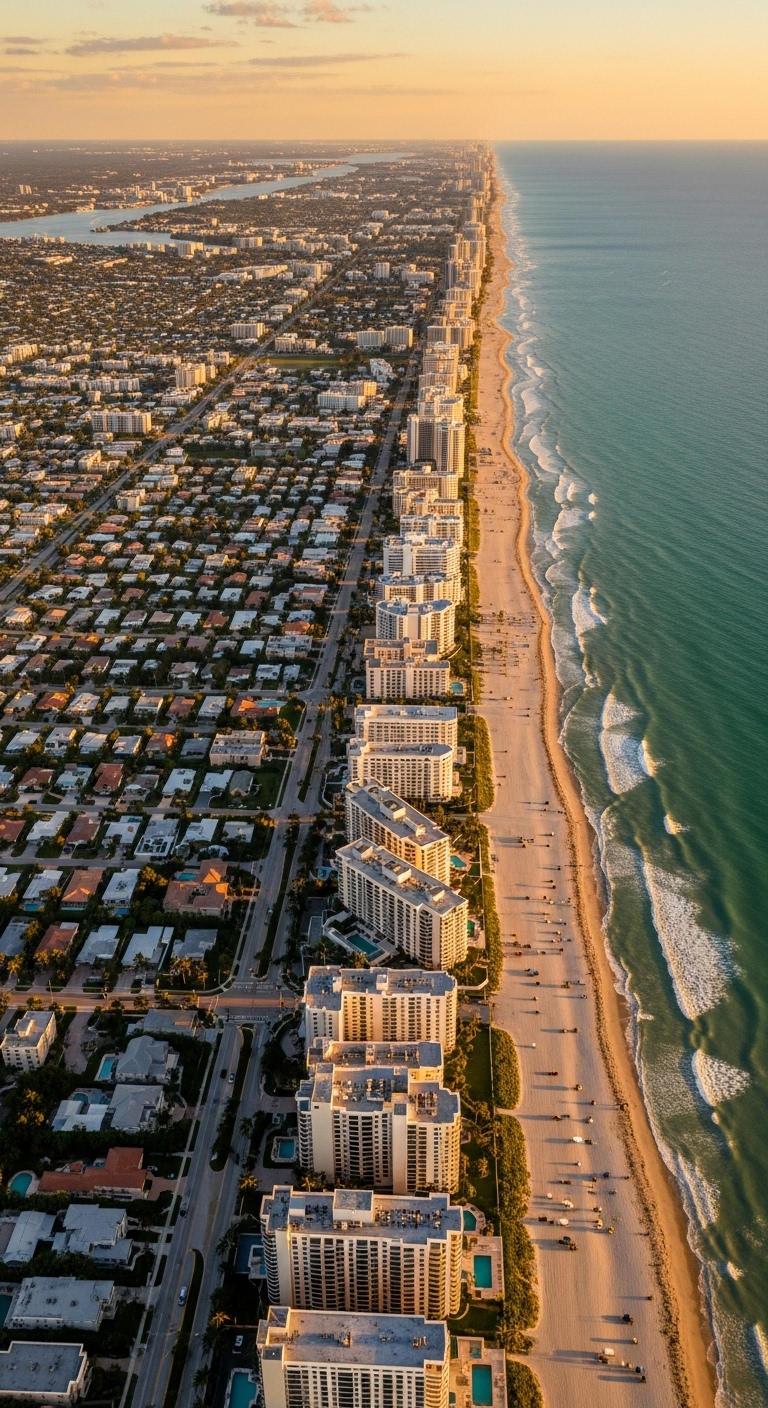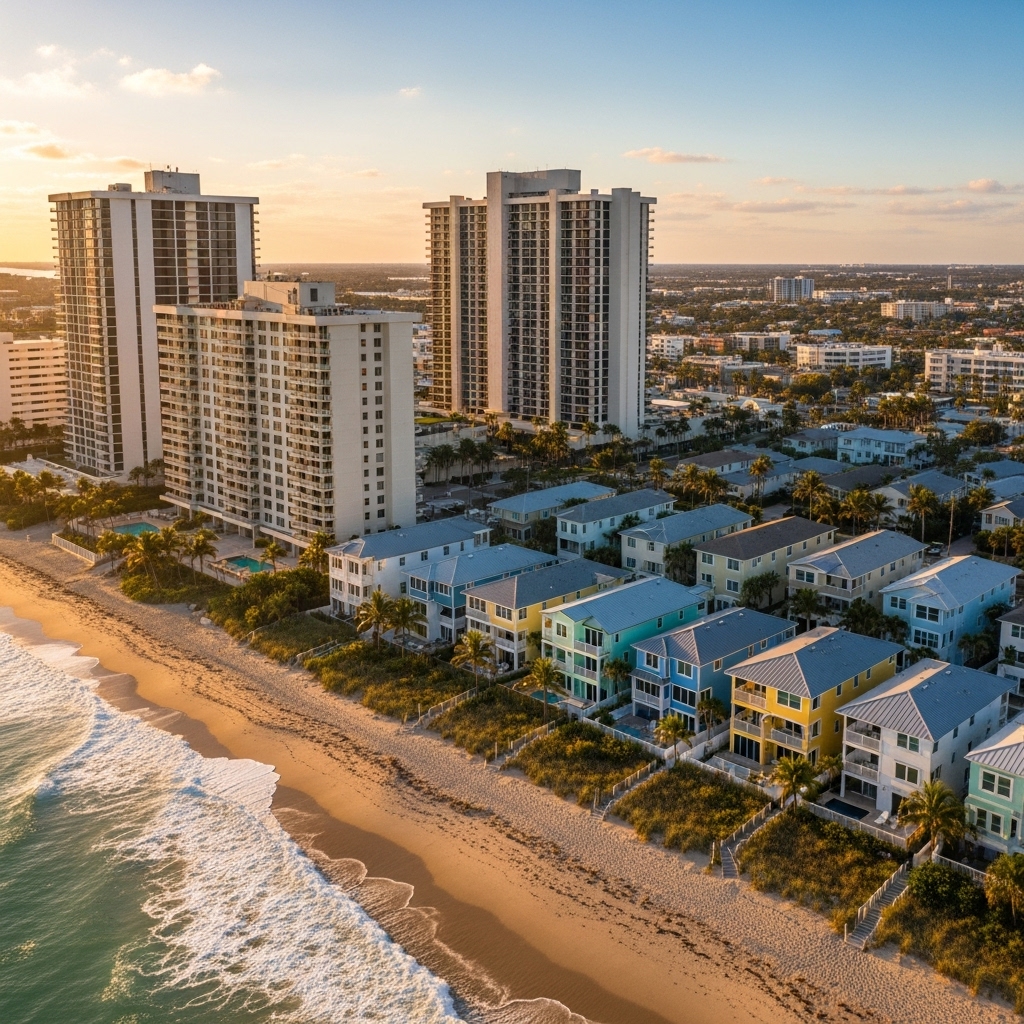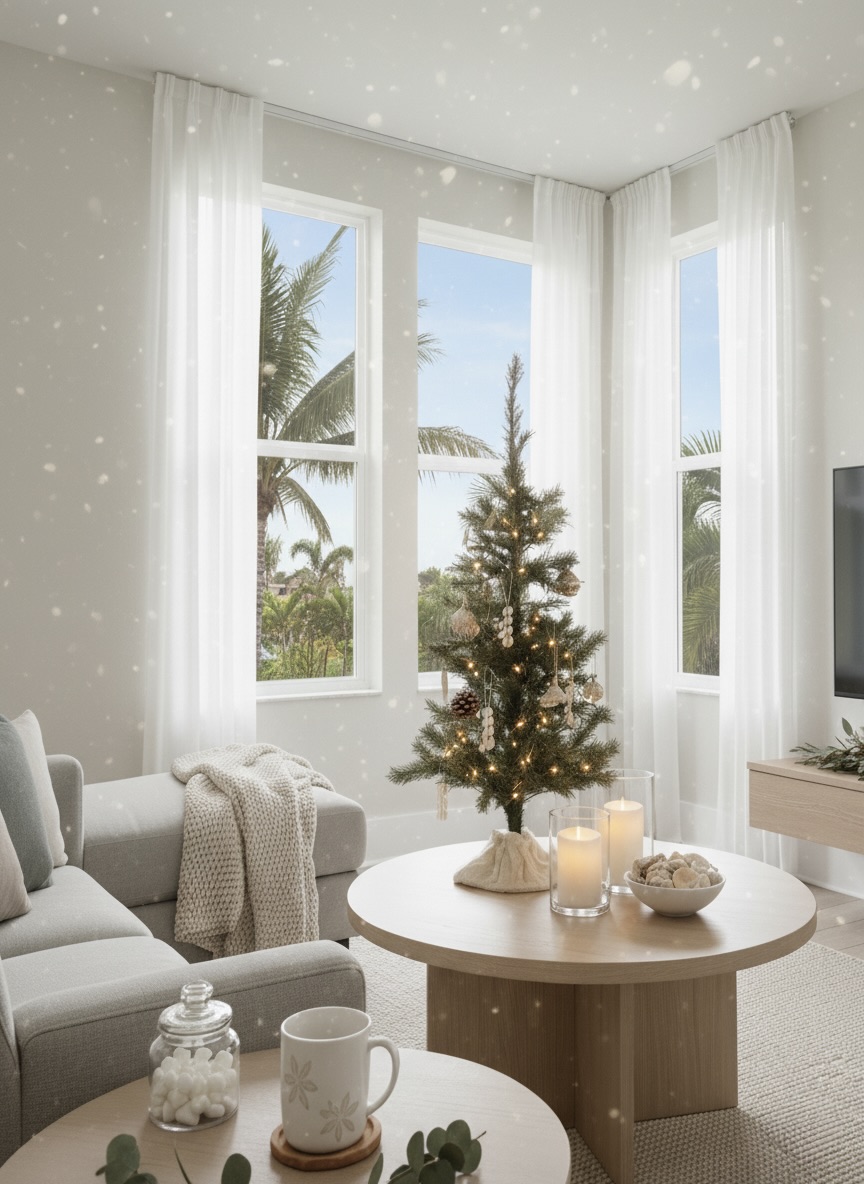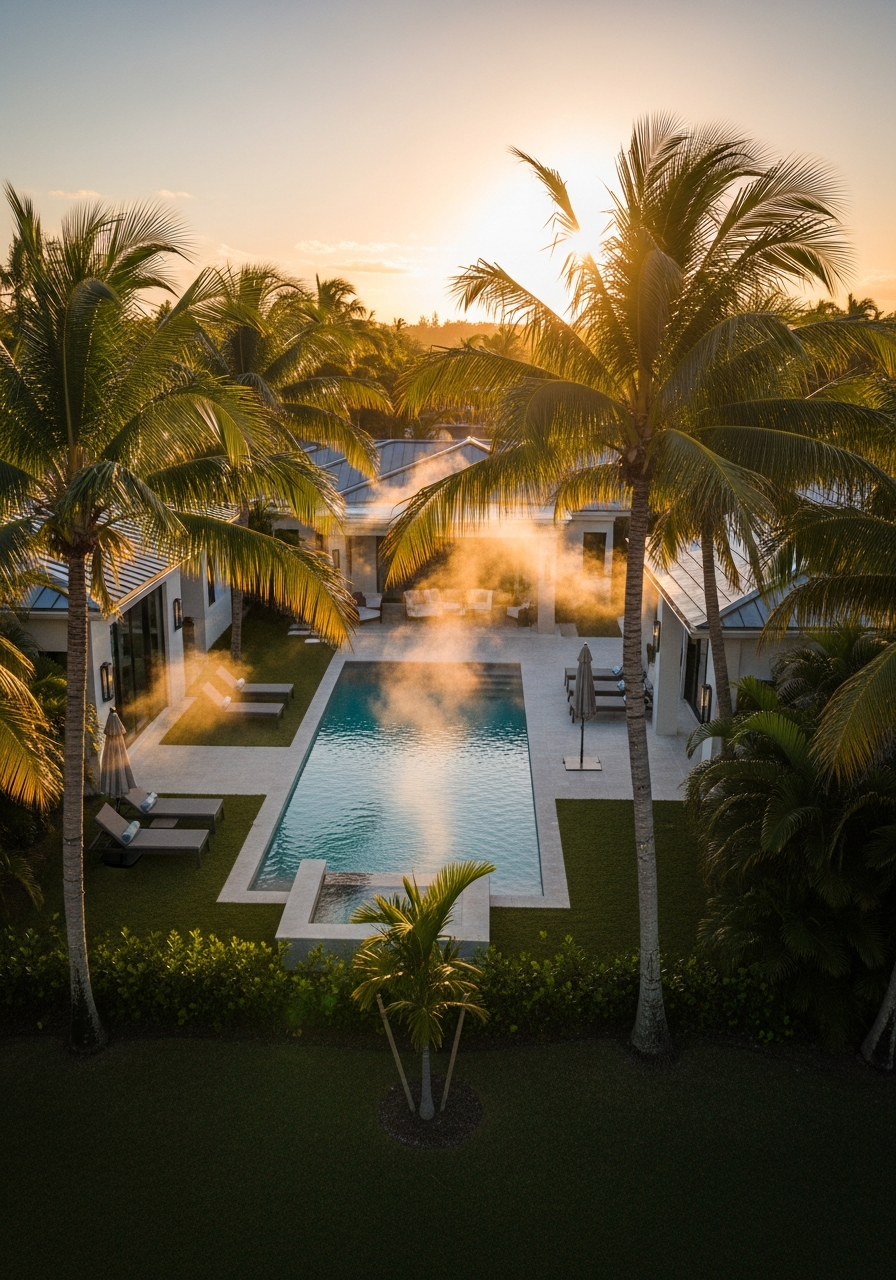


Reframing “Winterization” for South Florida STRs
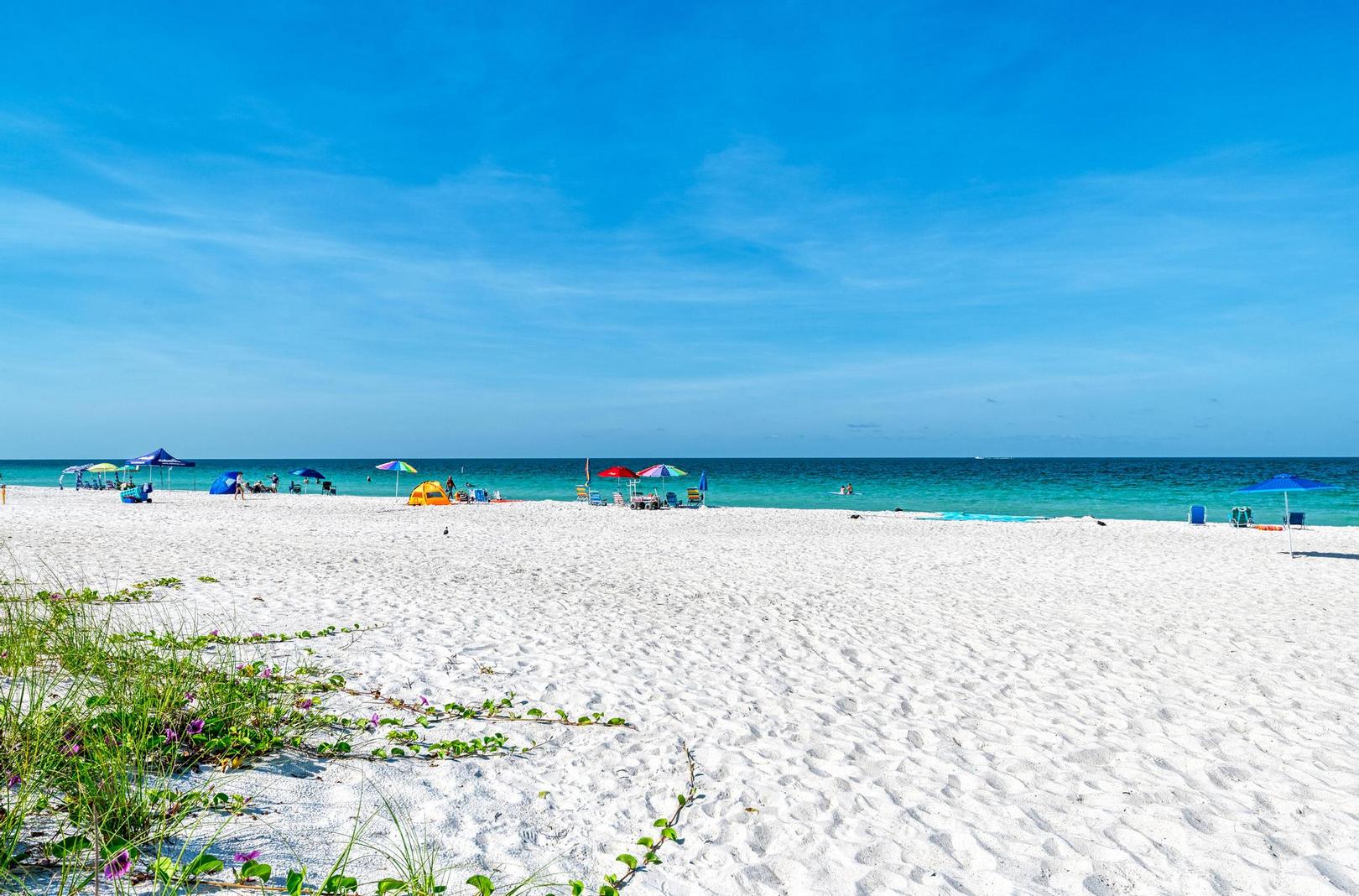
Winterization in South Florida isn’t about snow shovels or pipe-wrap kits—it’s about keeping your short-term rental running smoothly during the dry season while protecting your systems from salt, humidity swings, and the occasional cold front.
Winter here still averages in the 70s°F, but November through April brings noticeably lower humidity, fewer storms, and more predictable weather patterns. Guests love it. Your property? It still needs strategic prep—just not the heavy-handed kind common up north.
Your winter goals are simple:
• Protect metal and exterior systems from salt corrosion
• Keep humidity under control
• Keep the pool warm (without torching your electrical bill)
• Shield your property from lightning and power blips
• Prepare for the rare cold snap
• Deliver a comfortable, cozy guest experience
Think of this guide as South Florida’s “light winter tune-up”—a smart, efficient checklist that keeps guests happy and your maintenance predictable.
Corrosion Control: Salt, Metal & Exterior Systems
Coastal Florida’s dry winter air may feel pleasant, but salt is still an ever-present enemy for outdoor metals. Salt air corrosion can chew through metal fixtures and equipment surprisingly fast . Take inventory of high-risk items on your property that need a mid-season once-over:
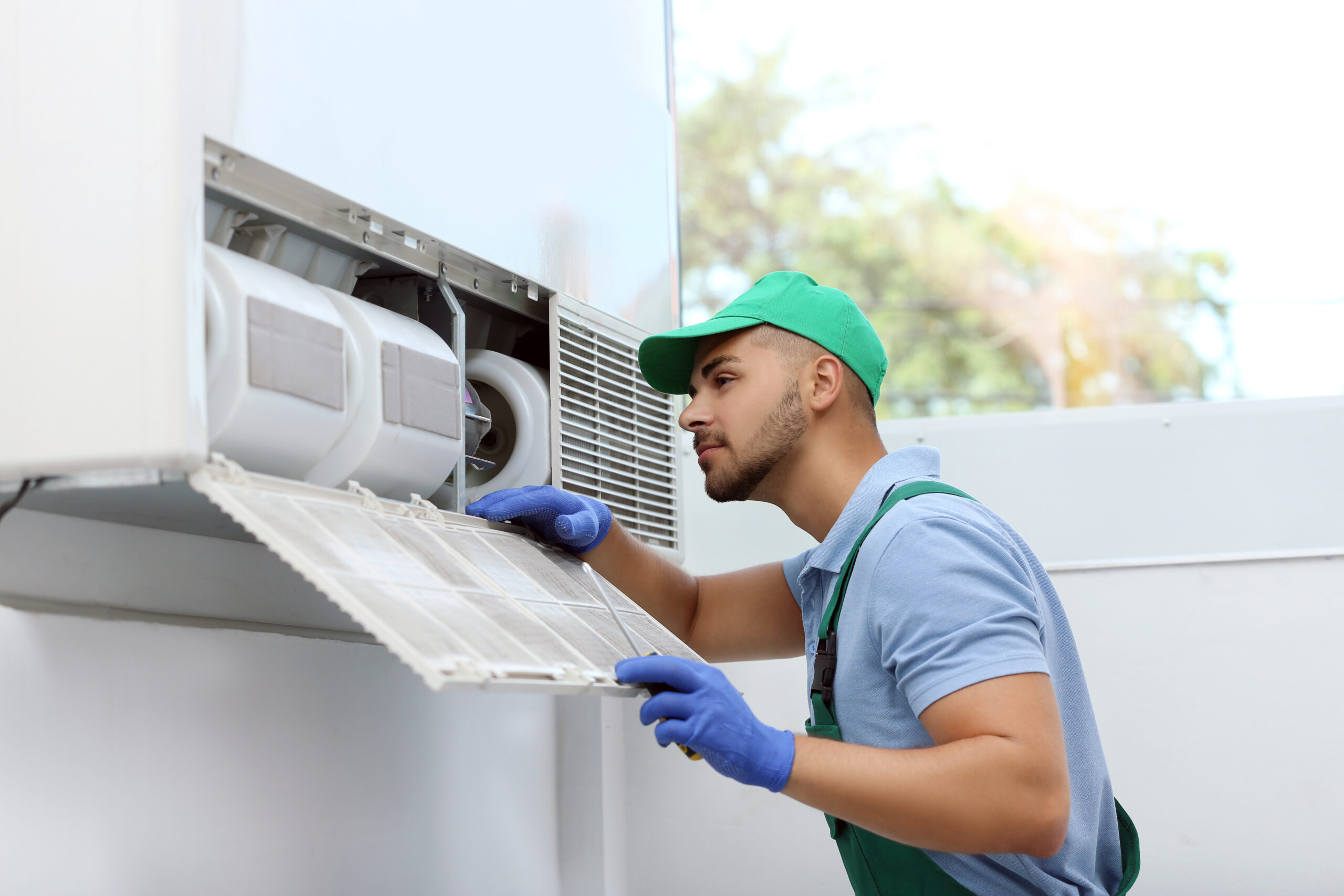
• HVAC Condenser Unit: The outdoor AC compressor coils, fins, and casing are exposed to salty air and moisture. Salt particles accelerate rust on these metal components .
• Outdoor Metal Fixtures: Railings, gate hinges, door locks, and patio furniture frames can all develop rust or pitting if not protected . Ceiling fans on patios and light fixtures are also at risk.
• Hardware & Accessories: Think of exterior door handles, pool enclosures, BBQ grills, and window screens. Even stainless steel can suffer tea-staining or corrosion without upkeep in a marine environment.
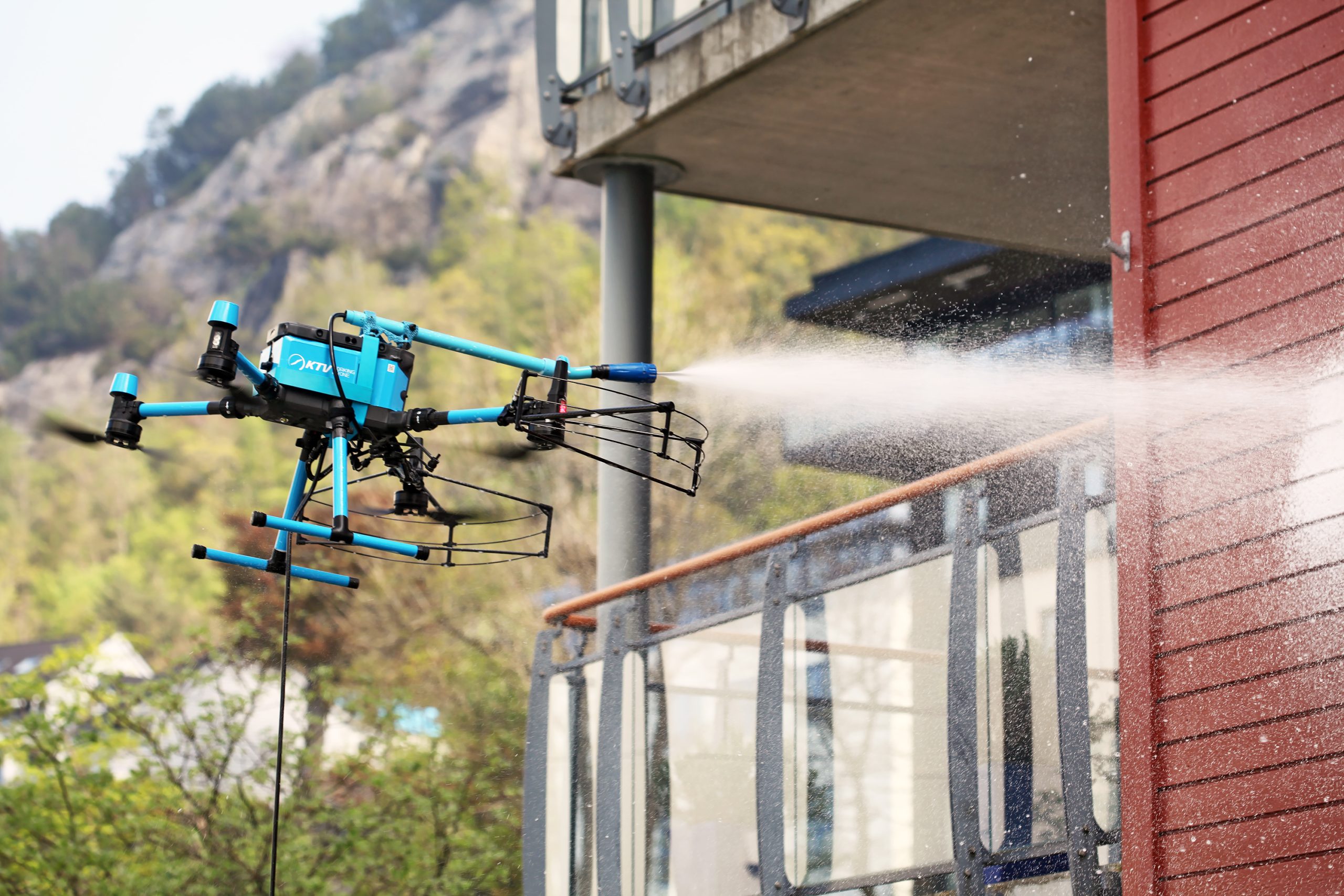
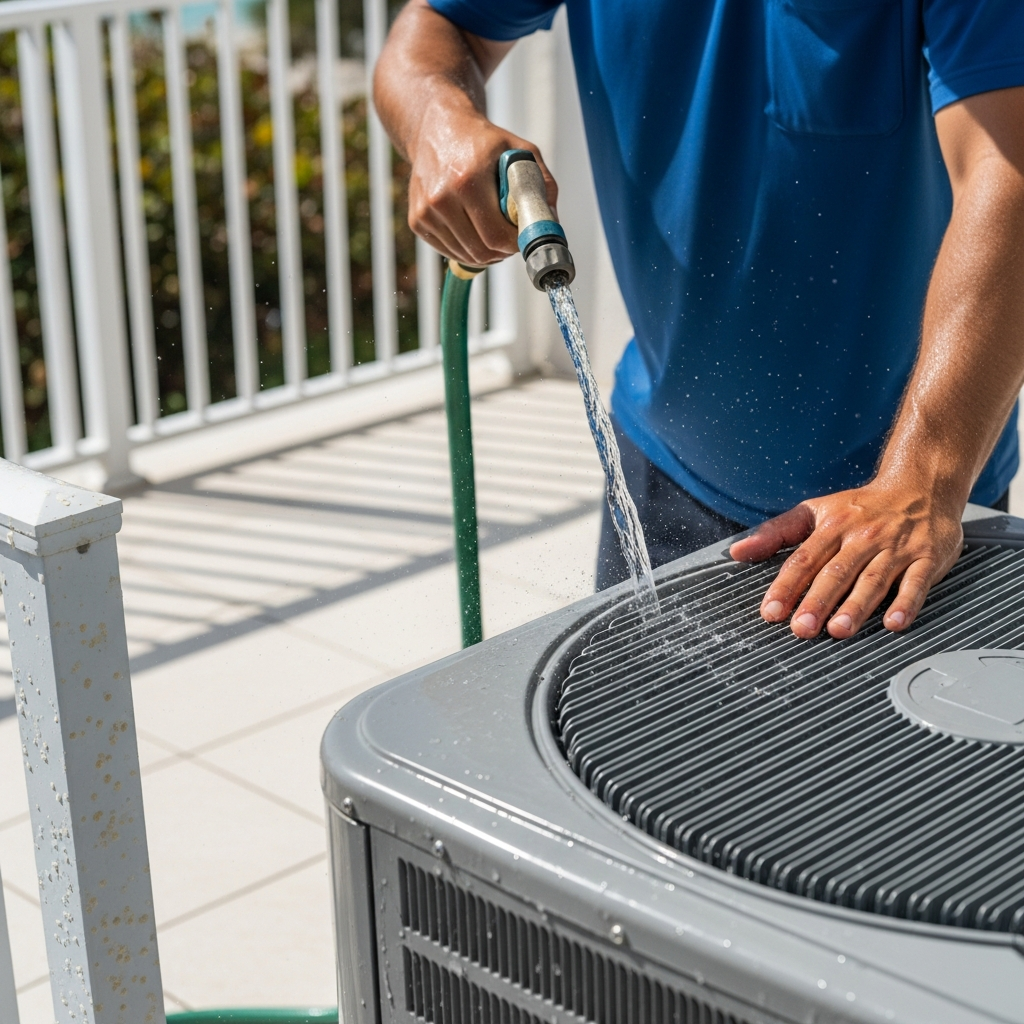
“Winter rinse” routine: Since South Florida’s winter is the dry season, less rain means less natural rinsing of salt. Set up a schedule to hose down key exterior metal surfaces with fresh water periodically (e.g. every 1–2 months) . A gentle spray from a garden hose (not a pressure washer) will wash off salt deposits without harming equipment . Prioritize the AC condenser – rinsing the coils and fins helps maintain efficiency and prevent salt buildup that causes corrosion . Rinse off railings, aluminum screen enclosures, and metal patio furniture as well. This simple step slows corrosion by removing the salty film that would otherwise linger and oxidize your metal surfaces .
Apply light protective coatings: After cleaning and drying, apply appropriate corrosion inhibitors on moving parts and vulnerable metal areas. For example: a light coat of silicone spray or a marine-grade corrosion inhibitor on door hinges, gate latches, and outdoor fan blades can repel moisture. A dab of marine grease on sliding door tracks or bolts can also help. Many HVAC pros recommend anti-corrosion coatings for condensers (some units come with factory-applied coatings, or you can add a product like GulfCoat) . Even clear spray paint or a thin film of oil on certain metal surfaces can create a barrier against salt air. Just ensure any product used is safe for the material (e.g. avoid sticky residues on door locks).
Mind your cleaners: When cleaning outdoor furniture or metal railings, avoid harsh chemicals that can make corrosion worse. Bleach or chlorine-based cleaners, for instance, can cause metals like stainless steel to pit and rust . Similarly, strong acids (like muriatic acid or acidic patio cleaners) can strip protective coatings. Opt for mild, pH-neutral cleaners and soft cloths/brushes . A bit of soapy water or a dedicated stainless-steel cleaner is usually enough for routine wipe-downs. The key is to clean gently and preserve any protective oxide layer on metals – scrubbing with steel wool or using ammonia/bleach can break down that layer and invite more rust.
Early rust detection: Implement a simple photo-log system during turnovers or vendor visits to catch corrosion early. Instruct your cleaning crew or maintenance team to photograph and log any rust spots or flaking paint they notice on exterior fixtures each month. Small rust “blooms” on a railing or pinhole corrosion on an AC cage can be sanded and touched up quickly if caught early, preventing a minor issue from becoming a major repair. By updating this log in your property management system, you can track trouble areas and schedule preventative maintenance (like repainting a rust-prone gate with a rust-inhibiting primer come spring). Staying proactive with corrosion control protects your investment and avoids surprise failures – a little WD-40 or sealant now can save you from a seized lock or collapsing patio chair later.
Pool & Spa: Heat Without Burning Cash
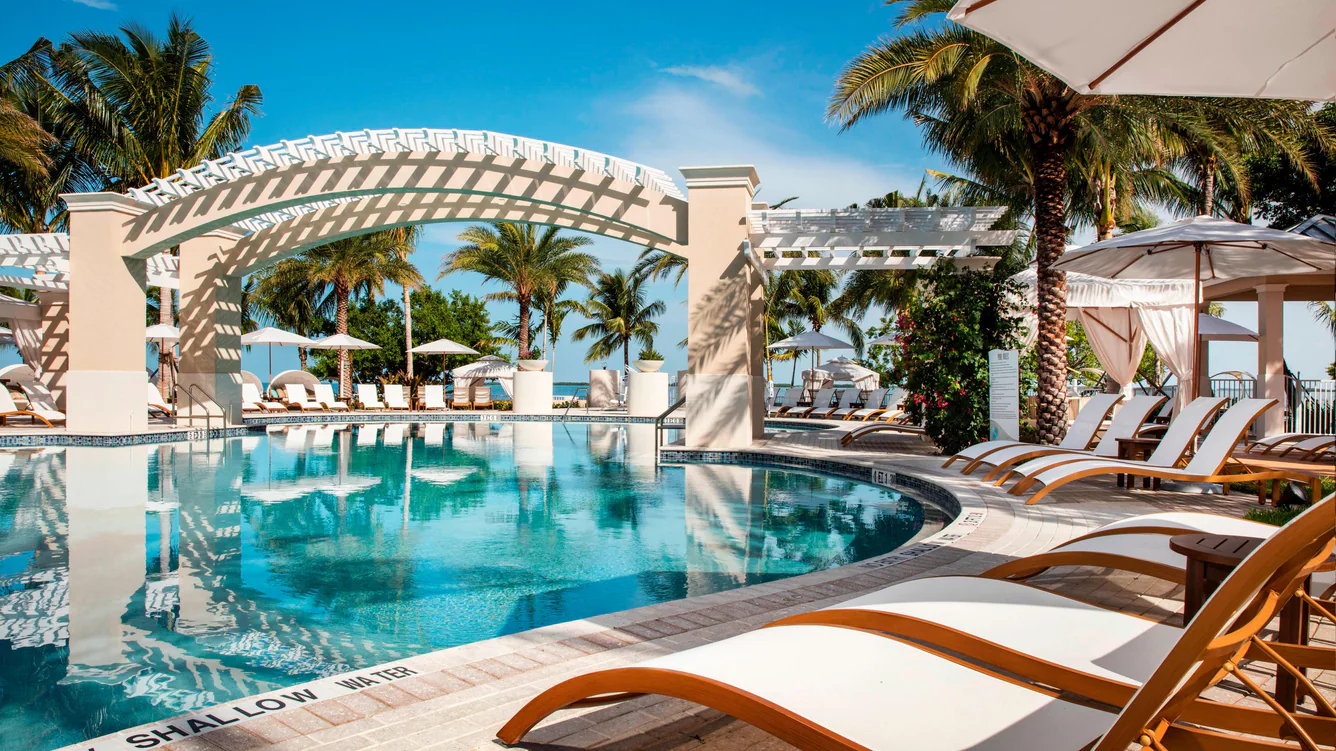
Your South Florida pool is a year-round asset – winter is prime time for northerners escaping the cold, and they expect that pool or spa to be inviting. But heating a pool efficiently in “winter” requires a smart approach so you don’t end up with sky-high electric bills (or unhappy guests complaining the water isn’t warm).
Using a thermal pool cover at night can retain heat and prevent heat loss by up to 90%, dramatically cutting your heater’s workload .
Baseline winter settings: First, set realistic temperature targets. In South Florida, an ideal pool water temperature for general comfort is around 78–82°F . Casual swimmers and families often prefer ~80–85°F so it “feels” warm . Hot tubs/spas are typically kept higher (98–102°F), but a standard pool won’t reach hot-tub temps. Communicate to owners and guests that 80-82°F is a normal heated pool range in winter – warm enough to enjoy without the water feeling chilly. Children and seniors may appreciate the higher end of that range (mid-80s°F) . Importantly, don’t promise that the pool will be as hot as a jacuzzi; it’s about taking the chill off, not creating a bath.
Know your heater type: Have a checklist tailored to your pool heater’s technology, since maintenance needs differ:
• Electric Heat Pump: Very common in Florida. Heat pumps are efficient but heat water gradually by extracting warmth from the air. Before peak winter usage, clean the heat pump’s air intake and coils (free of leaves or debris) and test its defrost cycle. Remember that heat pumps stop working well below ~50°F outside , so during an extreme cold night it may shut off to prevent icing. Ensure the refrigerant level is checked annually (a heat pump should never need refrigerant top-off unless there’s a leak ).
• Gas Pool Heater: Heats water quickly using propane or natural gas. Do a pre-winter fire-up to ensure burners ignite cleanly. Inspect the burner jets for any blockage (spider webs are notorious for clogging them in the offseason). Check that the exhaust vent is clear and the gas supply line has no leaks. Gas heaters are great for rapid heating or on-demand use, but they’re less efficient for maintaining heat continuously. Plan usage accordingly – for example, some owners use gas to “boost” temperature on arrival day, then let a heat pump or solar maintain it.
• Electric Resistance Heater: These are less common for pools (they’re basically oversized hot water elements – very high electrical draw). If you somehow have one (usually for small spas), check the heating element for scale buildup and ensure any GFCI breakers are functional. Due to operating cost, consider upgrading away from pure resistance heaters if possible.
• Solar Thermal Panels: If your STR has rooftop solar pool heaters, winter is actually when they shine in Florida’s sun. Make sure panels are clean and valves/pumps working. On cooler cloudy days they won’t carry the full load, but combined with a heat pump or gas backup they can significantly cut costs. Check the controller is switching correctly between solar and auxiliary heat as needed.
Efficiency moves for pool heating:
• Use a Pool Cover: This is the single biggest money-saver. A solar blanket or thermal cover used overnight or during vacant days can “prevent up to 90% of heat loss” from the pool . That means your heater runs far less. Train your staff (or instruct guests) to cover the pool at night when temps drop. It keeps the warmth in and also keeps debris out. If a manual cover is too cumbersome for guests, even a liquid pool cover or solar rings are better than nothing.
• Smart Scheduling: Avoid the mistake of running the heater 24/7. Instead, use timers or automation to run the heater and pool pump during optimal times. For heat pumps, that’s typically during the warmer part of the day (late morning to afternoon) so they can capture heat efficiently. Set the desired temp and allow the heater to cycle off overnight. Don’t bother heating when the pool isn’t in use – for example, if you have no check-ins for a few days, maintain a baseline (say 75°F) instead of 82°F, and then crank up on the morning guests arrive. The U.S. Department of Energy notes that each degree of extra pool temperature can increase energy costs by 10–30% , so find the sweet spot that balances comfort and cost.
• Coordinate pump run-times: In winter, you can often reduce the filter pump runtime (e.g., from 8+ hours in summer to 4–6 hours in winter) since there’s less algae growth and debris . However, ensure the pump is running whenever the heater is on so water circulates properly. Many systems have integrated controls for this. If using an external timer, align it so the pump kicks on before and stays on during heating cycles. Stagnant water in the heater is a big no-no (risk of overheating or freezing in rare cold).
• During a cold snap: Florida freezes are rare, but if a night in the low 30s °F is forecast, put the pool into “freeze protection” mode. Many pool controllers have this setting which automatically runs the pump if temperatures approach freezing. If not, the manual protocol is: run the pump continuously overnight when near 32°F – moving water won’t freeze in the pipes. Also, turn the heater thermostat to a safe lower temp or switch off the heater to prevent damage if it’s a heat pump (most will lock out anyway at low air temps). After the cold snap, inspect the equipment for any frost buildup or error codes before resuming normal operation.
• Heater check-up: Make it a habit each turnover (or at least monthly) to check the pool heater’s display for any service codes or malfunctions. Clean out the heater’s skimmer or filter (some heat pumps have an air filter and gas heaters have internal bypass filters). A quick look could catch an issue (like low flow, or a failing pressure sensor) before a guest discovers the pool is cold.
Guest Messaging Template
“Pool is heated to approximately 82°F. In unusually cool weather, heat pumps may not achieve full temperature, but using the pool cover overnight keeps it comfortable.”
Proactive communication protects your reviews—and your utility bill.

Dehumidifiers, AC & Mold Prevention in Cooler Months
Winter in South Florida might bring drier outdoor air, but indoor humidity can still creep up if not managed. In fact, because the AC runs less in cooler weather, moisture can hang around inside longer. Remember, Florida’s humidity is a year-round issue – without controls, excess moisture leads to mold, musty odors, and even damage to wood or drywall . Your strategy in winter is to strike a balance: keep guests comfortable (they may want to turn off the AC on a pleasant 70°F day) while still controlling humidity to safe levels. Here’s how:
Recommended thermostat & humidistat set points:
• Occupied Stays: For guests currently staying, comfort is king – but educate them on optimal settings. A good rule of thumb is to aim for indoor humidity below 60% RH to prevent mildew . If your thermostat has a built-in humidistat or you have a standalone, set it to ~50-55% as a trigger for the AC or dehumidifier to kick in. In terms of temperature, suggest a range of 72–76°F on the thermostat for when guests are home (this is a typical comfortable range and will also ensure the AC runs occasionally to dehumidify). Provide simple “if you’re cold, do this first” instructions: rather than turning the AC completely off, guests can set it to, say, 74°F and “Auto” mode – this keeps air circulation and dehumidification going periodically. Also mention using ceiling fans (on clockwise winter mode to push warm air down) and closing blinds at night to keep heat in. If the house has a heating mode (many Florida HVACs are heat-pump or have electric strip heat), ensure guests know how to switch to heat if needed on a rare 50°F evening. But caution them not to overdo it – a setting of 68°F heat on a very cold night is fine, no need to set 80°F which could cause the heat strips to run nonstop.
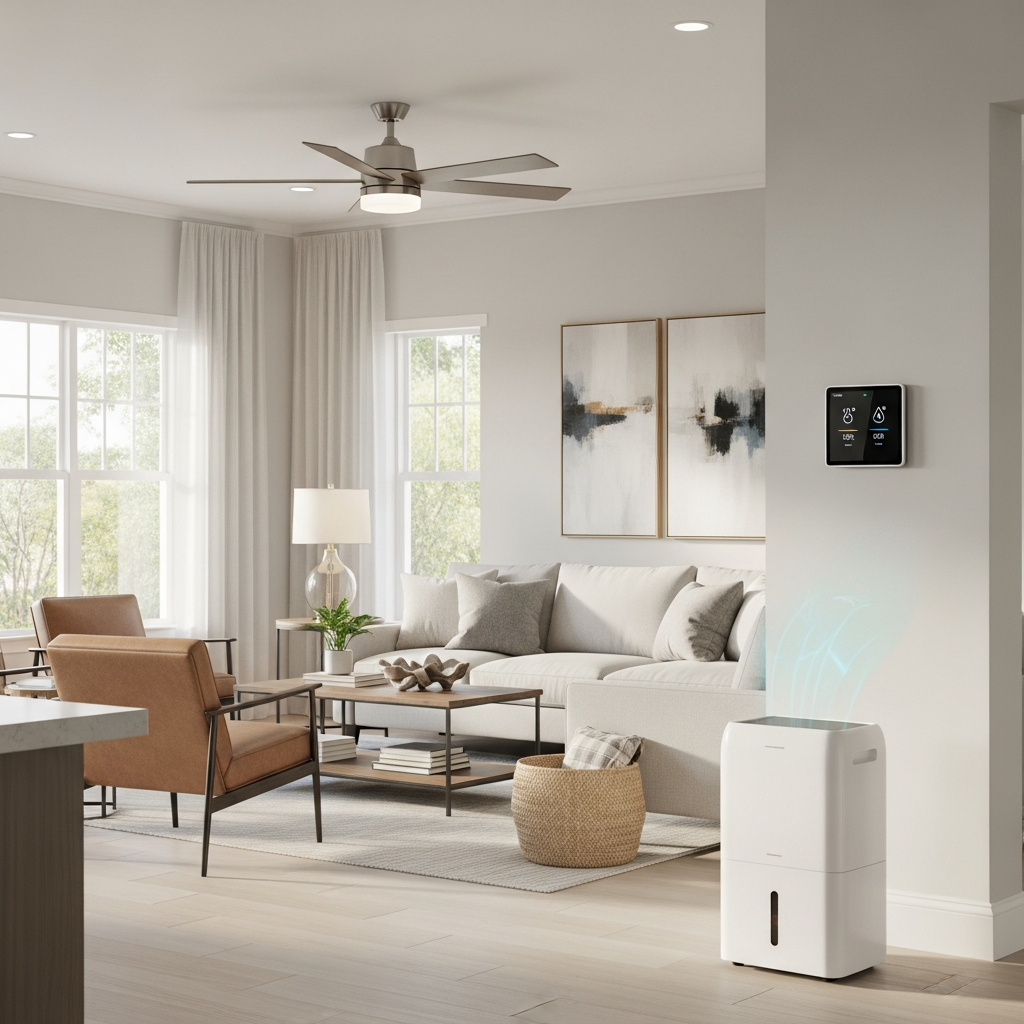
• Turnover Gaps (Short Vacancy): If the property will be empty for a few days between guests, do not turn the AC completely off. Instead, set the thermostat a bit higher (around 78–80°F) and, if available, set the humidistat to ~55% . This ensures the AC will click on occasionally to dehumidify when humidity creeps up. Many property managers find 78°F to be a sweet spot: it’s warm enough to save energy, but not so high that humidity or heat build-up becomes an issue . If your system doesn’t have a humidistat, you might use a smart thermostat that allows remote monitoring of humidity, or deploy a standalone dehumidifier in a problem area (like a basement or a closed-up bedroom). In fact, an HVAC expert in Florida suggests that without a humidistat, using a portable dehumidifier during vacant times can be more energy-efficient to keep RH in check . You can set a dehumidifier to run on a timer or continuous drain. Just be sure to leave interior doors ajar so air circulates between rooms.
• Extended Vacancy (Snowbird off-season or owner use gap): For longer periods (weeks to months with no occupancy), ramp up preventative measures. Set AC around 78°F with a 55% RH target as above. It’s wise to prop closet doors open and even leave a few ceiling fans on low to keep air moving. If you have an attic or crawlspace, consider a slight opening of access panels to avoid stagnant air pockets. For any known humid hotspots (maybe an interior bathroom with no window), you could leave a small desiccant bucket or instruct a periodic check. Also, schedule periodic check-ins: either you or a local manager should walk the property every few weeks, quickly AC the place (run the system a bit, flush toilets, etc.). This prevents surprises like mold patches or weird smells from developing unchecked.
When to use stand-alone dehumidifiers: In winter, if your HVAC isn’t running much, a portable dehumidifier can be a hero – especially during mild weather when guests open windows or when the AC’s minimum runtime isn’t enough to keep RH down. Use them in:
• High-risk areas: e.g. basements (if any), large bathrooms, or near closets that tend to get musty.
• During occupancy: If a guest reports the space feeling damp but doesn’t want it colder, you can have a dehumidifier available as an option (some upscale rentals even have built-in dehumidifiers connected to the HVAC). Make sure it’s the quiet type and auto-drains (so guests don’t have to empty buckets). Provide instructions in your house manual if one is on site.
• During longer vacancies: As mentioned, a dehumidifier set to ~50% can keep humidity in check with potentially less power than running the central AC too cool. However, ensure it’s safely draining (either plumbed out or into a sink via hose) to avoid it shutting off when full. Several Florida condos routinely use standalone units for this reason .
Filter changes & HVAC inspections: Winter is “dry season,” meaning less pollen and less AC runtime – you might think filters can go longer. But consider that dust still accumulates and a dirty filter or duct can harbor mold spores if moisture does occur. Follow manufacturer guidelines: typically replace HVAC filters every 30-60 days in a high-use home .
In winter, if occupancy is lower, you might stretch to 60 days for a filter change – but inspect it monthly. It’s cheap insurance to avoid strain on the system. Also check the return air grates and drip pans. Look for any dust buildup or mildew. A quick vacuum of returns and a few drops of bleach in the AC condensate drain can prevent mold growth. Winter is also a great time to do an HVAC tune-up (since contractors are less slammed than summer). Have a tech do a once-over: clean coils, check the heater function (many Florida homes rarely use heat, so you want to confirm the heat strips or heat pump mode actually works before a guest tries it) , and verify humidity controls are calibrated.
Guest-facing “comfort mode” tips: Help guests help you by giving them easy tips to stay comfy and mold-free. Some ideas for your house manual or welcome letter:
• “If you’re feeling chilly, try turning the ceiling fan to the winter setting (clockwise) on low – it will gently push warm air down without a draft.” This keeps them from just cranking the heat.
• “We recommend keeping the thermostat set between 72-75°F. This maintains a balance of comfortable temperature and humidity. The system will automatically dehumidify the air as it cools. If you turn the AC completely off on a mild day, the humidity can rise, so it’s better to use our ‘comfort setting’ instead of off.”
• “Keep bathroom doors open after showers and use the exhaust fans – this helps remove moisture and prevents that ‘Florida humidity’ from hanging around.” Many guests don’t realize how crucial exhaust fans are; a reminder can save your walls.
• “In winter months, the air is comfortably warm but still humid. For your comfort, we’ve provided a dehumidifier in the living room closet – feel free to run it if you like it extra crisp. Just be sure windows are closed for it to be effective.” (Only if you actually provide one, of course.)
By empowering guests with these small actions, you maintain a healthier indoor environment. The bottom line: even in winter, moisture management is key in South Florida. A little vigilance now (with setpoints, fans, and filters) prevents nasty mold problems and ensures that “snowbird musty house” smell never plagues your rental.
Surge Protection & Power Fluctuations
Winter cold fronts in Florida often ride in with a side of thunder and lightning. Yes, even in December you might get a squall line that knocks the power out for a blink or sends a voltage spike through the grid. South Florida’s power grid can also have brownouts or quick blips when demand changes (or during utility work). That means surge protection is not just a summer hurricane concern – it’s a year-round safeguard. Florida sees over a million lightning strikes a year, more than any other state , so a “layered” surge defense is essential to protect your STR’s appliances and electronics.
Layered surge strategy: Experts recommend multiple layers of surge protection for comprehensive coverage :
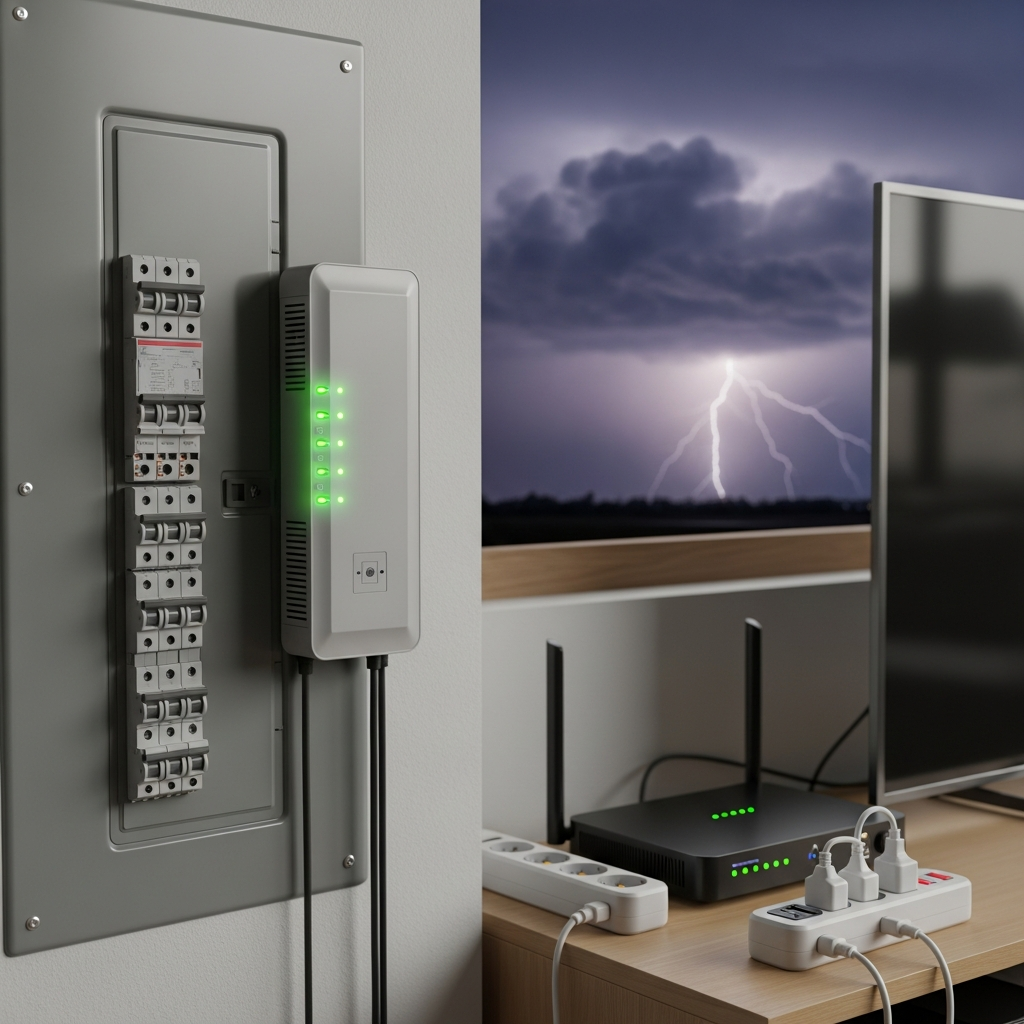
1. Whole-Home (Panel) Surge Protector: This is a device installed at your main electrical panel or meter that blocks or absorbs surges coming from the grid . It’s your first line of defense if a lightning strike or utility surge sends a high-voltage spike down the line. In Florida, this is a must – it can save your AC compressor, refrigerator, and other big-ticket items from being fried. Make sure you have a quality unit (rated for Florida-level strikes) and consider having a licensed electrician test it annually. Many units have an indicator light; check it during your winter check-up. If it’s a rental you manage, keep a spare or note the model so if it sacrificially takes a hit, you can replace promptly.
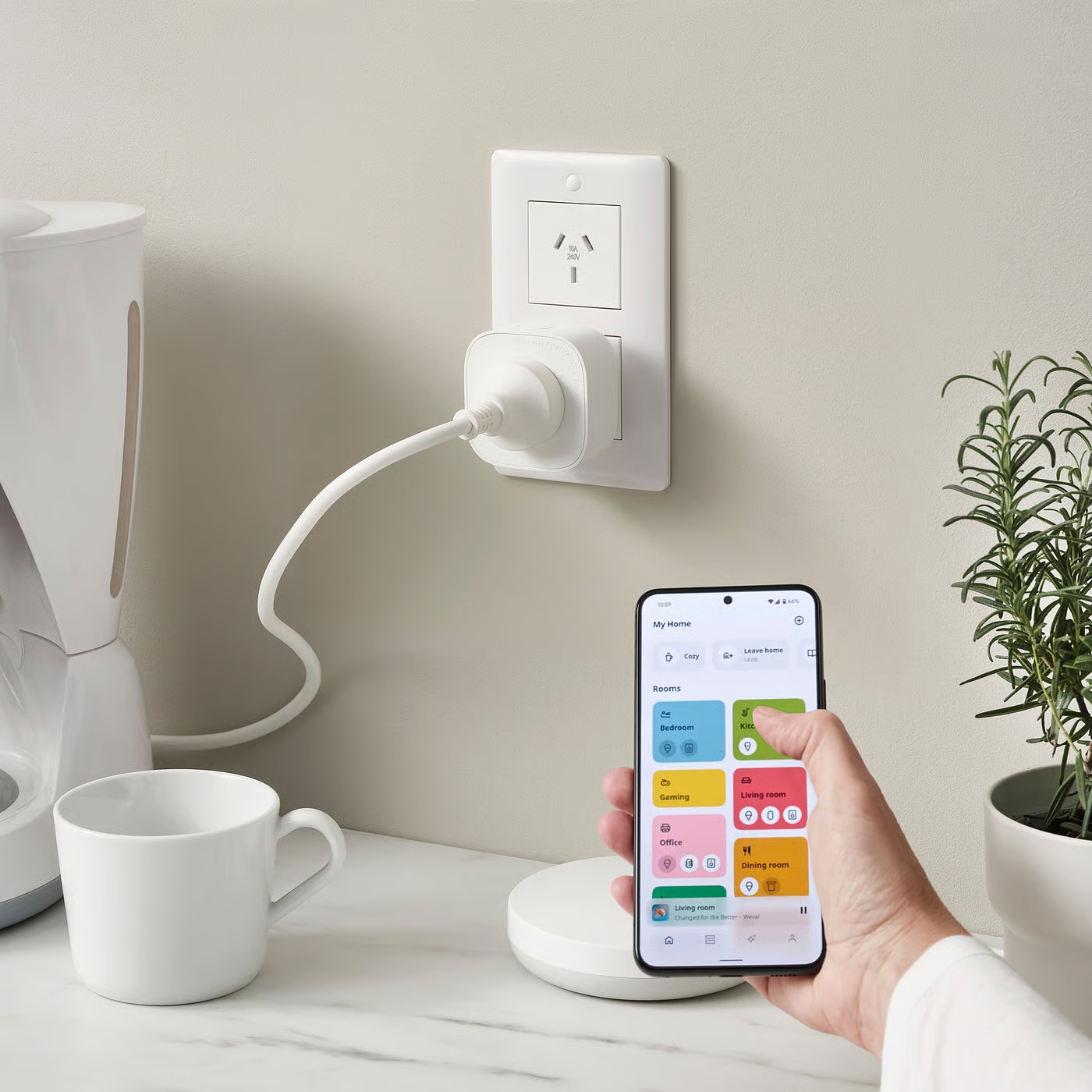
2. Point-of-Use Surge Protectors: These are the familiar power strip or outlet plug-in surge protectors (Type 3 devices). Use them on all sensitive electronics: TVs, Wi-Fi routers, desktop computers, gaming consoles, and any smart home hubs. Essentially, anything valuable plugged into the wall should either go through a surge strip or a surge receptacle. This way, if a surge sneaks past the main protector or originates inside the home, it won’t reach the device. For STRs, pay special attention to the Wi-Fi router and modem – a blown router means unhappy guests. Plug them into a good surge strip (or better yet, a UPS battery backup which also conditions power).
3. Specialty Protectors for Appliances: Consider dedicated surge protectors for HVAC equipment and pool systems. For example, there are hard-wired surge units just for AC condensers or pool pumps. If your home has a lot of smart home gadgets (smart thermostats, smart locks, etc.), ensure those circuits are surge-protected too (the main panel protector usually covers built-in devices, but double coverage doesn’t hurt). Prioritize circuits that feed things like the refrigerator, alarm system, and pool heater control panel.
Annual electrician check: Ask your electrician to verify the surge protectors and overall grounding system each year. Whole-home units often have MOVs (metal-oxide varistors) that can wear out after a few big hits; they might need replacement per manufacturer schedule. Also have GFCI outlets tested (especially outdoor and kitchen/bath plugs) – you or your handyman can do this monthly via the test button , but an electrician can more thoroughly test trip times and replace any faulty ones. While at it, have them test AFCI breakers (arc-fault breakers in the panel, if any) to ensure no wiring issues. Good grounding is critical in Florida’s sandy soil, so a quick check that ground rods and bonding for pool equipment are intact is worthwhile. Essentially, winter (when things are calmer) is a great time to do an electrical safety inspection – many Florida electricians offer a discounted check-up where they’ll test GFCIs, tighten panel lugs, and review surge protection status .
Protecting smart tech and appliances: Highlight to owners that surge protection isn’t just about expensive TVs; it’s also about avoiding guest inconvenience. A lightning surge can knock out the smart lock or Wi-Fi, which is a nightmare if it happens right before a guest’s self-check-in. It can also scramble pool equipment controllers or landscape lighting timers. Identify your property’s critical circuits – for instance, the circuit feeding the Wi-Fi and security camera should absolutely be on a surge protector or UPS. If you have an electronic lock, make sure its bridge or hub is protected (and always have a backup way to unlock if the electronics fail). For the pool, a surge could damage the pump motor or heater circuit board, so those being on the house panel protector is key; you might even add a secondary small surge unit at the pool sub-panel if it’s separate.
Guest guidance for outages: Provide a short “what to do if the power blinks” note for guests. Florida’s power usually comes back quickly, but after an outage or surge, clocks might blink, the Wi-Fi router may need a reboot, and pool pumps could trip out. In your house manual or a laminated sheet, say: “If you experience a brief power outage or flicker: please check that the Wi-Fi is working (you may need to unplug the router, wait 10 seconds, and plug back in). Also, our pool pump has an automatic timer – if power cuts, it might reset; don’t worry, it will resume on schedule within 24 hours. If the A/C doesn’t turn back on automatically, let us know – we can help ensure the thermostat is set correctly.” Encourage guests to report any “half power” issues (a common scenario after certain outages is one breaker tripped or one phase drop, where half the house has no power). Have an emergency number for the utility or your electrician handy in your contact info. By empowering guests with knowledge and a few simple steps, you can often avoid a frantic call at 10pm because the “internet is down” – they’ll know to try a quick reboot first. And thanks to your layered surge protection, hopefully you’ll avoid the bigger headache of actual damaged equipment.
In summary, winter fronts may bring a chill to South Florida, but they can still pack an electrical punch. A robust surge protection plan – with whole-home and point-of-use devices – combined with routine electrical safety checks, will keep your STR’s lights on and your electronics safe through the flickers and flashes . It’s a small upfront cost that can prevent major appliance losses and ensure your guests’ Netflix and Zoom calls aren’t interrupted by the next thunderclap.
Light Freeze & Cold-Snap Readiness (The Rare Nights)
Freezing temperatures in South Florida are like a blue moon – very rare, but not impossible on occasion, especially inland or in a freak Arctic blast. It’s important not to panic or overdo it (no need to wrap your whole house in insulation for a forecast of 50°F!), but you should have a plan for the very rare nights when temps might dip to freezing (32°F) or a hard frost. Here’s how to handle those “once-in-a-decade” chills without going into full winterization mode:
Know the critical thresholds: Generally, South Florida homeowners only need to take action if the forecast calls for near or below 32°F for several hours. A light frost on the grass isn’t likely to cause property damage – it’s prolonged hard freezes that matter. If the nightly low will be, say, 38°F for two hours just before dawn, you likely don’t need drastic measures beyond maybe checking the pool (most equipment has freeze safeguards anyway). But if a true freeze warning is issued (<= 32°F), that’s your cue to implement the cold-snap protocol. As a manager, keep an eye on National Weather Service advisories in winter; they’ll issue warnings for areas expected to hit freezing.
Exterior plumbing checklist: Most plumbing in South Florida is not deeply insulated because historically it doesn’t freeze. But some parts of the system are exposed and should be protected on a freeze night :
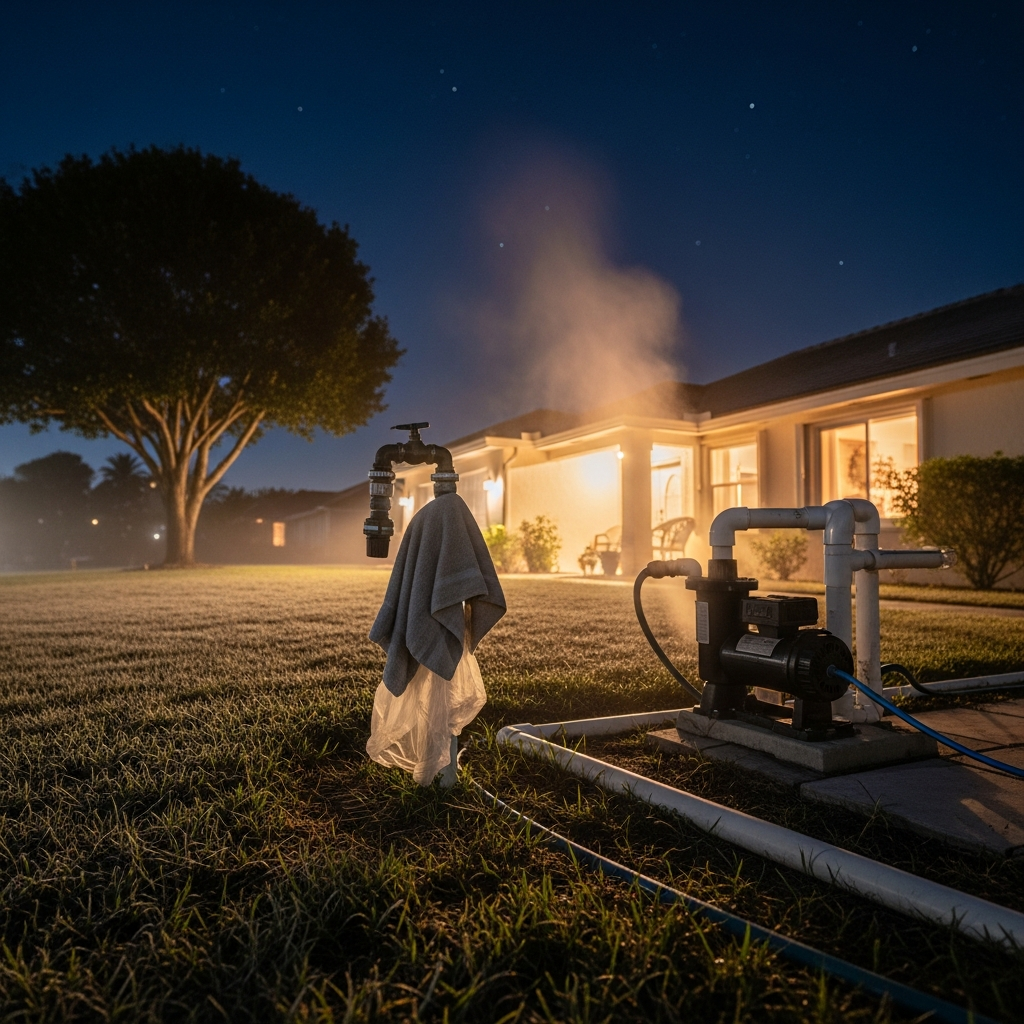
• Hose Bibs (Outdoor Spigots): If you have any outdoor faucet bibs or shower heads, these have water sitting right in them that can freeze. For a one-night freeze, a quick fix is to cover them – you can wrap them in a towel or pool noodle and tape a plastic bag around to keep it dry (insulation covers are available too). Alternatively, let them drip slowly overnight to keep water moving (running water won’t freeze as readily).
• Irrigation Backflow Preventer: This is a critical piece. Most sprinkler systems in FL have an above-ground backflow prevention valve assembly (often brass, with two shutoff valves). These can crack if frozen. To protect it: first, turn off the irrigation system at its controller (you don’t want it running during a freeze – spraying water can damage plants and also the moving water could freeze on the device). Next, if you can, drain the backflow – many have a little screw to bleed water. Then wrap the whole assembly with foam or thick cloth and plastic on the outside . There are insulated pouches made for them, but a blanket and garbage bag taped around works in a pinch. This prevents that expensive valve from freezing. (Pro-tip: a broken backflow device = no water to sprinklers and sometimes water to house issues, so it’s worth protecting).
• Exposed Pool Plumbing: Most pool pipes are PVC and near the equipment above ground. For a short cold snap, usually running the pool pump continuously through the night is enough to prevent freezing (moving water won’t freeze in the pipes). Ensure the pool’s freeze mode is enabled or manually override the timer to on. You typically don’t need to insulate pool pipes unless temps are expected to stay below freezing for many, many hours (unlikely in South FL). If you want extra caution, you can throw a blanket over the pump and filter (not the motor vents though) to trap a bit of heat from the motor.
• Rooftop Solar Pool Heating Lines: If the property has solar pool heater panels on the roof, those are usually self-draining when not in use (gravity drains back to the pool). As long as the system is off, they should be fine – but if not fully draining, extremely cold air could potentially freeze a panel tube. It’s rare, but you could bypass or isolate the panels during a hard freeze just to be safe.
• Other Vulnerable Plumbing: Outdoor showers, garden hoses, or any pipes running through uninsulated attics could be at slight risk. It’s smart to disconnect garden hoses (water in a hose can freeze and back up into the spigot causing it to burst). For outdoor showers, if they have a shutoff, turn it off and drain the line. Attic pipes in South Florida usually run through conditioned spaces or are PVC (more freeze-tolerant than copper), but if you know of any water lines in a cold attic corner, you might let those faucets drip or open cabinets below to let warm air in.
In summary, focus on the above-ground, water-filled parts: spigots, backflows, hoses – drain or insulate those when expecting a freeze . In-ground pipes are safe; a few hours at 30°F won’t penetrate the soil enough to freeze buried lines .
Indoor comfort & safety: Inside the house, true cold is so infrequent that many Florida homes don’t even have space heaters or maybe have never used the furnace. Consider the following:
• Heating system check: As mentioned earlier, test that the central heat actually works in case guests need it . Heat pumps and strip heaters should be tried out each season. There’s nothing worse than discovering on the coldest night that the heat isn’t working and only blowing cold.
• Portable Space Heaters: Decide whether to provide one. Many STR owners in Florida do keep a small electric space heater in the closet for guest use – because if a cold front hits and the central heat is weak (common with heat pumps when it’s <40°F), guests appreciate the extra warmth. If you supply one, choose a modern unit with tip-over auto-shutoff and overheat protection . Include safety rules in your house manual: e.g. “If you use the portable heater, plug it directly into a wall outlet (no extension cords) and keep it at least 3 feet away from any curtains or bedding” . Also instruct them to turn it off when leaving the room or going to sleep . Basically, follow NFPA guidelines: heaters on flat surface, no combustibles nearby, don’t leave unattended. If you decide not to provide a space heater (perhaps to eliminate fire risk), be proactive in your communication: let guests know the home’s heating is sufficient and they should not need any additional heaters. You might even explicitly say in rules “no personal space heaters allowed” if that’s a concern, to avoid them plugging in some sketchy device that trips breakers.
• Draft control: Florida homes aren’t sealed for winter like northern homes, so on a windy 40°F night, cold air can creep under doors or through slider tracks. To keep rooms cozy, use some quick fixes: add or adjust door sweeps on exterior doors to close the gap , and consider a draft blocker (those fabric “snakes” or even a rolled towel) for the bottom of sliders. Check window weatherstripping – over time it degrades; replace any brittle stripping so windows shut tight. Pay special attention to older jalousie windows or via wall AC units (if any); those might need temporary covers or insulation panels if you ever hit a hard freeze. These little steps not only keep guests warmer but also prevent condensation – warm indoor air hitting cold drafts can lead to water or frost on the inside, which we don’t want.
• Preventing “cold & damp” feeling: Florida cold can feel extra damp. If a cold snap comes, advise guests to keep the AC on Auto (not Off) even if they use heat; the AC’s dehumidification can kick in periodically. Also, suggest they close bathroom vents and windows – any extra humidity in a cold house will make it feel clammy. You might supply a dehumidifier as mentioned; running it even in winter can remove that damp chill from the air.
Cold front guest messaging: It’s a good idea to have a pre-written template you can send to guests if a notable cold front is forecast during their stay. This sets expectations and shows hospitality. For example:
“Hi [Guest], just a heads up – a rare cold front is coming through tomorrow night. The forecast is calling for lows around 40°F (4°C). Don’t worry, the home has heating and we’ve made a few preparations to keep you comfortable:
– We’ll be turning on the pool heater early so the pool retains warmth, but please use the pool cover tonight to help keep the heat in. Keep in mind the pool will likely stay in the mid-70s°F – with the cold air it won’t get much warmer, but it will still be pleasant for a quick dip.
– The central thermostat is set to heat mode at 72°F for the evening. If you feel cold, you can bump it up a couple degrees. We’ve also placed an extra blanket in each bedroom closet.
– Please keep doors and windows closed to maintain the heat (Florida homes can get damp if too much cold air comes in). If you use the portable heater, remember to unplug it when not in use and keep it away from curtains or furniture.
– In the unlikely event of a freeze overnight, our team will be by to run water/drip faucets to protect the plumbing. You might hear the pool pump running all night – that’s on purpose to prevent any freeze issues.
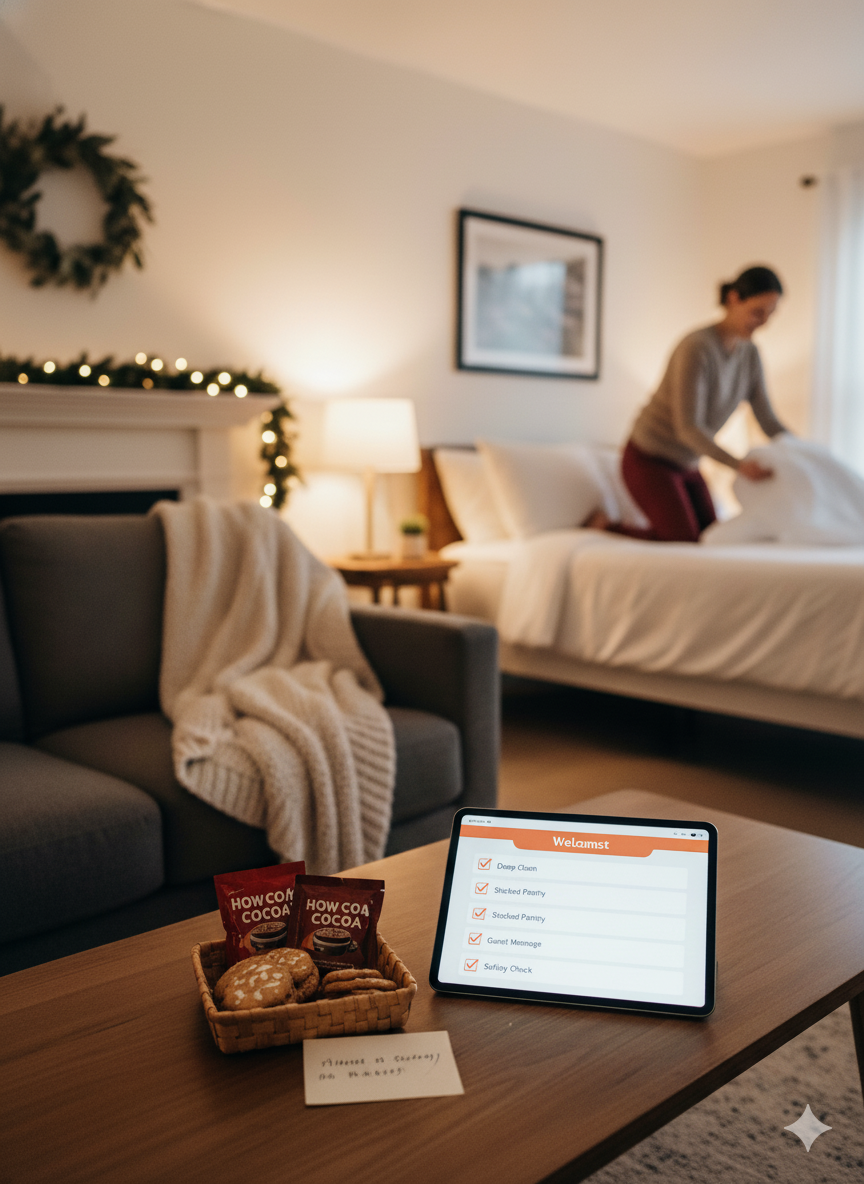
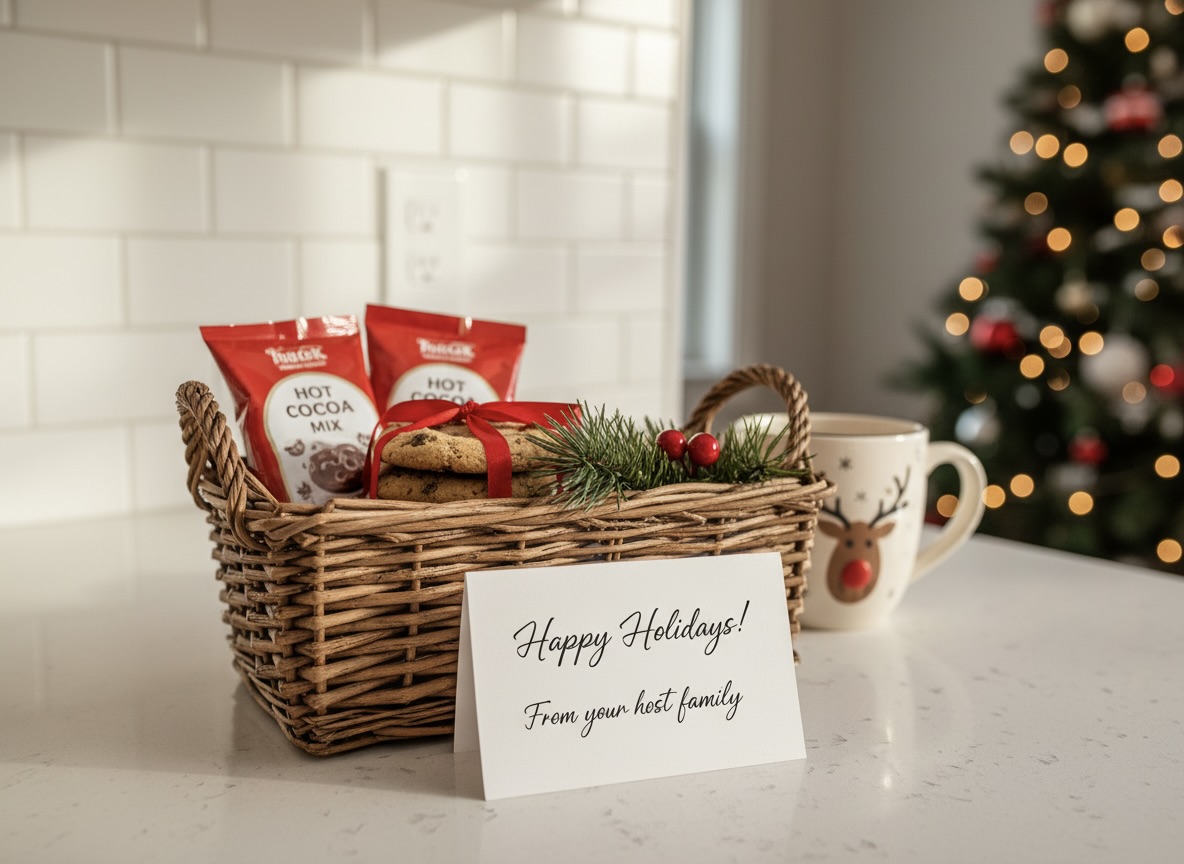
We want you to be comfy – let us know if you need anything, and enjoy the unique chilly Florida weather! (It’s a good excuse for hot cocoa by the TV, which we’ve stocked in the kitchen.)”
Feel free to adjust tone, but notice how this type of message manages expectations (pool might not be super warm, house will be heated but don’t expect tropical night swimming) and gives practical advice (close doors, use extra blankets, etc.). It also subtly educates (explains the pump noise, etc.). Guests will appreciate the proactiveness. And adding a small touch – like leaving out a basket with a couple of instant hot cocoa packets or a tea kettle for that cold night – turns an inconvenience into a memorable cozy experience.
To sum up: true freezes are rare in South Florida, but having a plan means you won’t be caught off-guard. Protect the few vulnerable outdoor bits, ensure indoor comfort, and communicate with guests. Then, once the sun comes out the next day (and it usually does quickly), you can stow the blankets and resume regular programming in paradise.
Guest-Facing Comfort Touches (Winter, Not “Christmas”)
Winter in South Florida is more about ambiance than survival. Your guests likely aren’t coming to find a winter wonderland – but a few seasonal comfort touches can delight them, provided you keep it inclusive and not overly “Christmas-specific” (unless your branding leans that way). Here are some thoughtful tweaks to cater to winter guests and make your STR feel cozy and inviting during the cooler months:
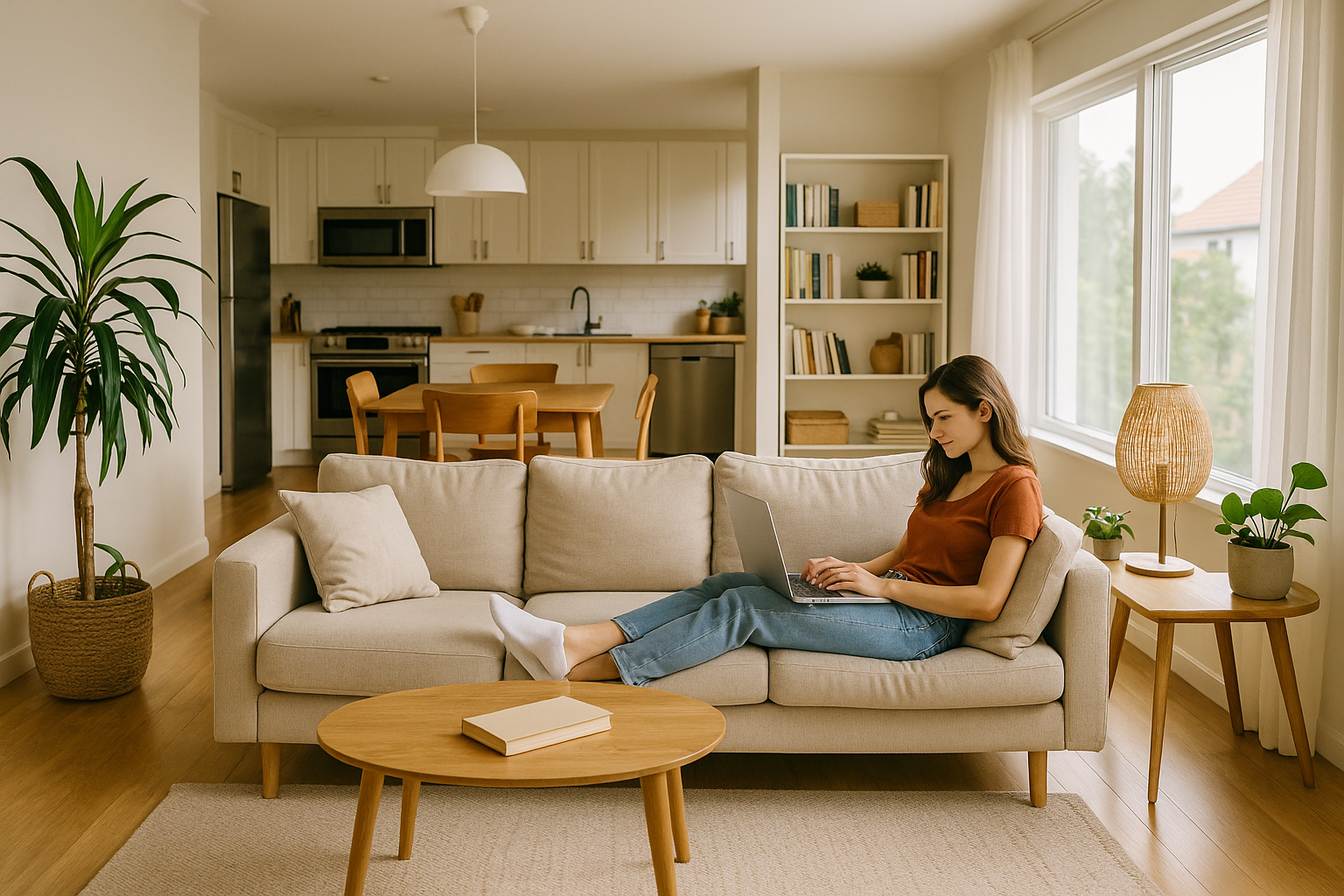
Cozy textiles swap-in: As temperatures drop (even modestly), guests appreciate a sense of warmth. Consider adding a few extra throws and blankets to your living spaces . For instance, drape a soft fleece or knit throw over the couch, and place another in a basket near the TV. On beds, you might swap out lightweight summer bedding for a slightly heavier duvet or add a quilt at the foot of the bed. Flannel sheets are probably overkill for South Florida, but a cotton blanket layer can help. Also, think about bare floors: many Florida rentals have tile or hardwood throughout – great for summer heat, but can feel cold on winter mornings. Area rugs or runners, especially next to the bed or in seating areas, can make a big difference. Even a couple of plush bath mats in the bathroom (so guests don’t step on cold tile) are a nice touch. These additions don’t scream holiday; they just say “we want you to be comfy.”
Warm beverage station: One delightful seasonal amenity is a simple hot drink setup. Stock some hot cocoa mix, a variety of teas, and perhaps some packets of apple cider or instant cappuccino . Ensure there’s a kettle or easy way to heat water (microwave safe mugs at the very least, or provide an electric kettle for elegance). You can even include a note like “Warm up on cool nights – enjoy some hot chocolate or tea on us.” A small investment in cocoa and marshmallows can yield big smiles. Coffee is usually standard year-round, but highlight the cocoa in winter months (maybe add a seasonal peppermint tea or cinnamon spice tea for the mood). Guests often mention these thoughtful touches in reviews.
Neutral seasonal decor and scent: If you want to acknowledge the season without assuming a holiday, keep decor winter-generic. For example, a fluffy white throw pillow, or a subtle winter-themed centerpiece (think pinecones or coastal twists like starfish + pinecones mix). Avoid overt Christmas or religious decorations unless you know your audience wants it. Many hosts opt for a mild winter scent in their diffuser or air freshener – e.g. a neutral fresh pine or cedar can be nice, but use a light touch. Avoid heavy holiday fragrances (like super sweet cinnamon or potpourri overload) which can be polarizing or allergy-inducing. Aim for “clean and cozy.” Perhaps use unscented or lightly scented candles (and again, be mindful of safety if providing real candles – flameless LED candles are a safer ambiance booster for rentals).
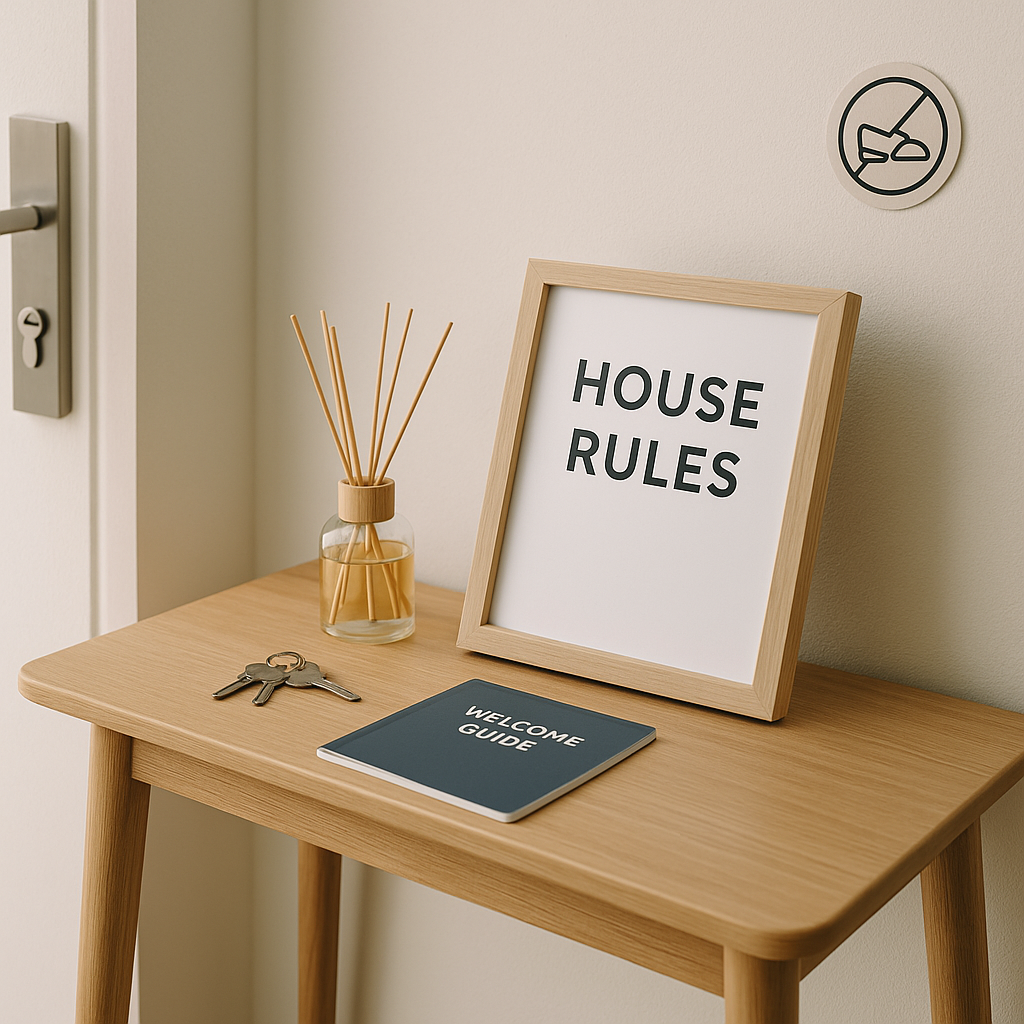
House manual “staying warm” section: We touched on some of this in earlier sections, but ensure your house manual has a quick guide for guests on finding comfort. Maybe title it “If You’re Chilly…” or “Staying Comfortable.” Points to include: how to operate the thermostat (mention the system has both cooling and heating – some guests from tropical climates might not know how to switch modes), the recommended temperature range, and a note that ceiling fans can be reversed to gently push warm air down. Encourage using provided blankets and throws. If you have a fireplace (rare in South FL, but some houses do), provide clear instructions and any rules for use. The key is to preempt those scenario where a guest is cold at night and doesn’t realize an extra blanket is in the closet or that the heater actually works – spell it out so they feel at home taking advantage of these amenities.
Avoid holiday overload: Unless your STR is specifically marketed as a holiday getaway, you’ll want to be sensitive to diverse guest backgrounds. Instead of, say, a Christmas tree or Hanukkah menorah (which could delight some but alienate others), lean into a winter vibe. Swap out that beachy summer door wreath for a simple winter wreath (greenery, no overt Christmas motifs). Use wintery color accents (rich blues, whites, grays, maybe pops of red via throw pillows that don’t explicitly say “Merry Christmas”). If you leave out books or board games, maybe add a puzzle that’s winter-themed or a book of inspiring New Year’s quotes. The idea is to create a cozy retreat that aligns with the season but doesn’t assume everyone celebrates the same holiday.
Air quality considerations: Winter means windows might be closed more, so ensure your air is fresh. Replace HVAC filters on schedule so there’s no dustiness. Avoid plugging in any super strong air fresheners; some guests associate “holiday smells” like cinnamon or vanilla with cover-ups. Better to have truly clean air – maybe run an air purifier before check-in, or lightly diffuse essential oils like eucalyptus or lemon for a neutral freshness.
By implementing these comfort touches, you’re acknowledging that while South Florida isn’t cold in the traditional sense, your guests still enjoy a touch of “winter coziness.” Extra blankets, warm drinks, a cozy rug, and clear guidance on using the home to stay comfortable will make their stay memorable. It shows you care about the guest experience in every season. And happy, comfortable guests are far more likely to leave five-star reviews about how they “enjoyed drinking hot cocoa on the patio during a cool evening” rather than a complaint that “the floors were chilly.” Small details can go a long way in hospitality.

Turnover & Vendor Rhythm: Dec–Feb “Mini Winter Check”
One key to successful STR management is building seasonal habits. Winter may be mild here, but you should still have a recurring checklist for the cooler months to catch issues early and keep everything running smoothly. Think of it as a mini-inspection and tune-up routine that repeats annually (and some tasks monthly through winter). Here’s how to coordinate your turnover team and service vendors from December through February:
Monthly micro-inspection tasks: During turnovers (or at least once a month in winter), have your team do a focused sweep for winter-specific wear and tear:
• Scan for Rust: As discussed, check metal surfaces for any “rust blooms.” Instruct cleaners or maintenance to inspect railings, balcony banisters, door hinges, and outdoor light fixtures for any orange spots or paint flaking. Catching a small rust spot in January means you can sand and touch it up before salt corrosion spreads . Also peek at the AC condenser – are the coils visibly corroded or is the paint chipping on the unit? If yes, note it down.
• Test Outdoor Locks & Latches: Cold (even mild cold) can make metal contract. Flip exterior deadbolts, gate latches, etc., to ensure none are sticking or in need of lubricant. A quick spray of silicone can keep them moving freely.
• Pool Heater & Cover Check: Each month, inspect the pool heater status. Is it maintaining temperature? Any error codes on the display? Clean its air filter or basket. Also inspect the pool cover for damage – covers can rip or the reel might jam. Better to fix or replace a $50 cover now than lose all that heat overnight due to a cover with a hole. Ensure the cover reel is working so guests will actually use it. If you provide a spa or hot tub, check that its heater is working and the cover is intact (heat loss from a bad hot tub cover is huge).
• Dehumidifiers & Drains: If you have standalone dehumidifiers in use, verify they’re draining properly. Many have a hose to a sink or out a window – ensure it’s not kinked or clogged. If they use buckets, empty them and confirm the auto-shutoff works so it doesn’t overflow. Also, check HVAC condensate drain pans for any standing water or mold, since winter runs are less frequent (standing water could indicate a clog).
• HVAC Filters & Returns: Even if it’s mid-“dry season,” take a look at the air filter each month or two. It might be relatively clean, but replace it at least every 2-3 months in winter . Shine a flashlight into return air ducts – any dust buildup or, heaven forbid, mold specks? If so, schedule a duct cleaning or at least a disinfectant spray. This keeps indoor air quality high and prevents that musty smell.
• Smoke Alarms & Safety Devices: Use the winter lull to test all smoke and CO detectors (a good practice is every turnover, but at minimum do it mid-winter) – replace batteries as needed or every year . Also test GFCI outlets with their reset button, because guests won’t always mention if a bathroom outlet is tripped; you can catch and fix it proactively .
• General Wear: Check windows and doors for any new drafts (seal as needed), and inspect for any minor leaks or drips especially after any winter rainstorms (winter is dry, but a random storm could reveal a roof leak). This is also a good time to check outdoor lights (shorter daylight means guests use outdoor lighting more) – replace any burnt bulbs in landscape or security lights.
By embedding these checks into your team’s turnover checklist for Dec–Feb, you institutionalize winterization as “not a one-off event, but a recurring process.” Use your property management software or calendar to set reminders every year for key tasks (the same way you schedule spring cleaning or hurricane prep).
Scheduled vendor visits: There are a few professional maintenance visits that are ideal to do in the winter off-peak, roughly once a season:
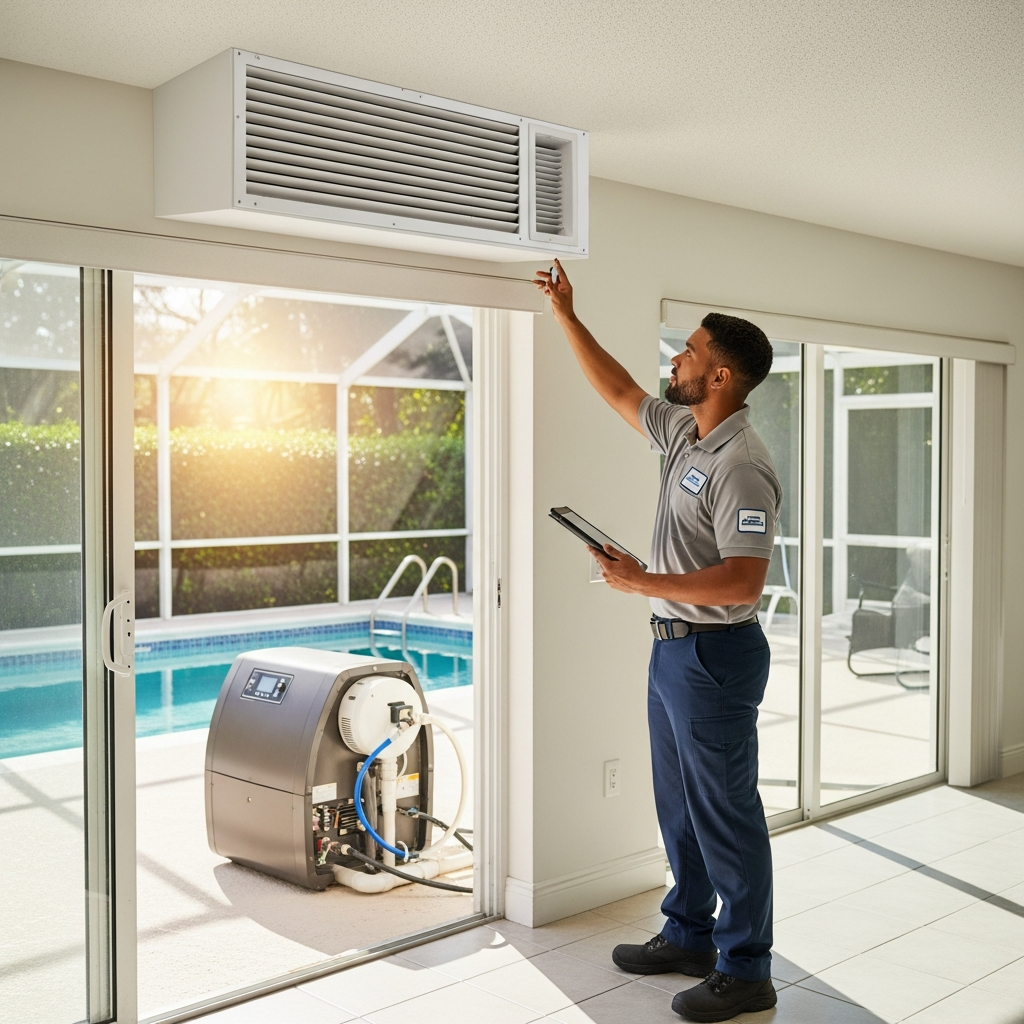
• One HVAC service (winter focus): Schedule your HVAC pro in late fall or early winter for a maintenance visit. Their task list: test the heat mode thoroughly (make sure heat strips or reversing valve in heat pump are all functional), check electrical components and capacitors (surge season and summer strain can wear them out), and give the system a mid-year cleaning if needed . They can also flush the drain line to prevent mold. A tune-up now ensures you won’t have a surprise AC failure when you ramp up for spring breakers in March.
• One pool equipment tune-up: Have your pool technician or service do a winter special visit focusing on the heater and sensors. They should inspect the thermostat calibration, pressure gauges, and any freeze protect sensors. Cleaning out the salt cell (if a saltwater pool) or calibrating the chemistry sensors can be done now too, since the pool isn’t used as heavily as summer. If the heater is gas, maybe this is when you do a burner cleaning or check ignition. Essentially, a preventative pool service call in December can preempt heater hiccups when every guest wants the pool warm in January.
• Electrical and Surge Protection check: Coordinate an electrician to do an annual electrical safety inspection in the winter months (as noted earlier). This covers testing GFCIs, checking the main panel for any hot spots or corrosion, and verifying your whole-home surge protector is operational . If you have a generator or transfer switch, they can test that too. Many STR owners skip this, but one yearly electrical check can catch hazards (loose connections, etc.) that otherwise surface as emergencies later. Document the visit and any fixes.
Integrate into your PMS: Use your Property Management System or task manager to set up a recurring “winterization” task list each year. For example, on November 15th you might have an automated task: “Winter Prep: schedule HVAC & pool service, order extra filters, test all detectors, etc.” Then perhaps a January 15th task: “Mid-winter check: inspect for rust, replace filter, confirm surge protection lights.” By formalizing it, you ensure it’s not forgotten even if staff or circumstances change. Some PMS allow checklist templates – you could make a “Winter Checklist” that is assigned to a maintenance team member every December. This way, winterization becomes part of your operating rhythm. It’s not a frantic scramble, but a planned routine.
Don’t forget documentation: As your crew performs these tasks, have them update logs or take photos. If a pool heater was serviced, log the date and note “no issues, pressure 20psi, cleaned filter”. If rust was found on a balcony, take a photo and note “will sand/paint in off-season if worsens.” This running record is your playbook to track trends year to year. It can also be shown to owners to prove preventative care (and justify expenses).
In summary, treat Dec–Feb as a time for proactive maintenance and inspections. The busy holidays and snowbird season are happening, but in many ways it’s a slightly slower maintenance period (no hurricanes, less lawn growth, etc.). Use that to your advantage. A consistent “mini winter check” each year will catch small issues (rust, weak batteries, slow leaks) before they become big problems, and keeps your property in top shape for guests. By the time spring rolls around, you’ll be glad you invested this effort rather than playing catch-up. Remember: in South Florida, “winterization” isn’t about crisis prevention as much as it is about optimizing and preserving – extending the life of your assets and ensuring guest satisfaction through the cooler season.
Owner Playbook & “No Overkill” Guardrails
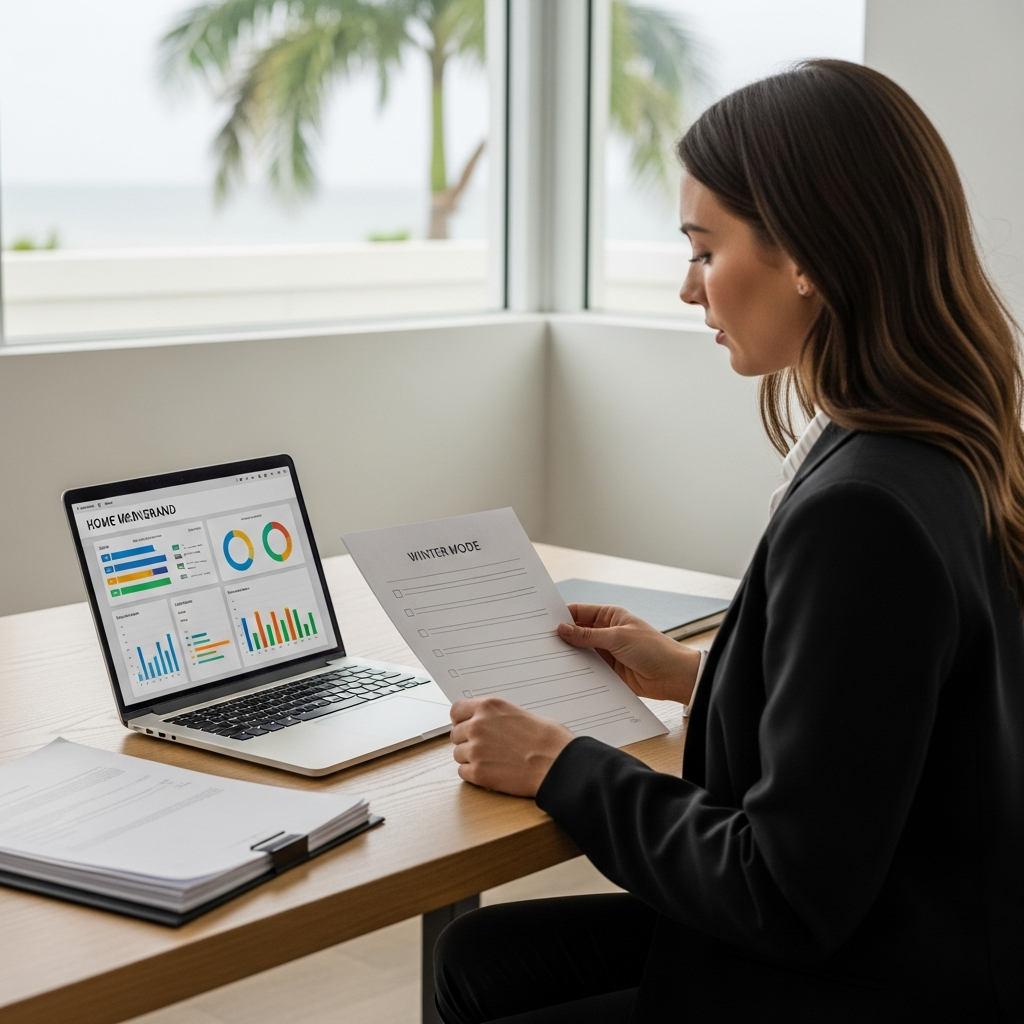
If you manage properties for owners (or even your own), it’s wise to develop a simple “South Florida Winter Mode” playbook – essentially a one-page summary of what needs to be done for winter, what doesn’t, and why. This helps align expectations and prevent well-meaning but unnecessary (or costly) owner requests stemming from misinformation. Let’s break down what such a playbook might include, along with budget considerations and decision rules to avoid overkill.
1. Winter Mode 1-Pager: Create a concise document that can be shared with owners or added to your SOPs. It should outline:
• Routine Preventative Steps (the essentials): e.g. “Freshwater rinse outdoor AC and metal fixtures monthly , service HVAC and pool heater in fall, test all safety devices, adjust thermostat settings for vacancies,” etc. Essentially the must-do items we’ve covered.
• Guest Comfort Measures: e.g. “Provide extra blankets, instructions for heat, pool cover usage, hot drink supplies,” etc.
• Emergency Plan: e.g. “Freeze protocol if temp <35°F: run pool pump, drip faucets, etc.” and outage recovery steps.
• What We Don’t Do (No Overkill): This is important – list the things that might come to an owner’s mind but aren’t needed in South FL. For instance: “We do not drain pools for winter (risk of shell popping – high water table) , we do not antifreeze or wrap pipes since freezes here are extremely rare, we don’t need to winterize irrigation beyond a freeze-night wrap of backflow,” etc. Having this spelled out reassures owners that you’re not neglecting anything; rather, those measures are unnecessary in our climate.
This one-pager can be used across all your properties for consistency. It also serves as a training tool for any new staff – everyone knows what “winterization” means in this context.
2. Budget guidance – Essential vs. Nice-to-Have: Owners might balk at extra expenses, so categorize which winter prep items are essential investments versus optional upgrades:
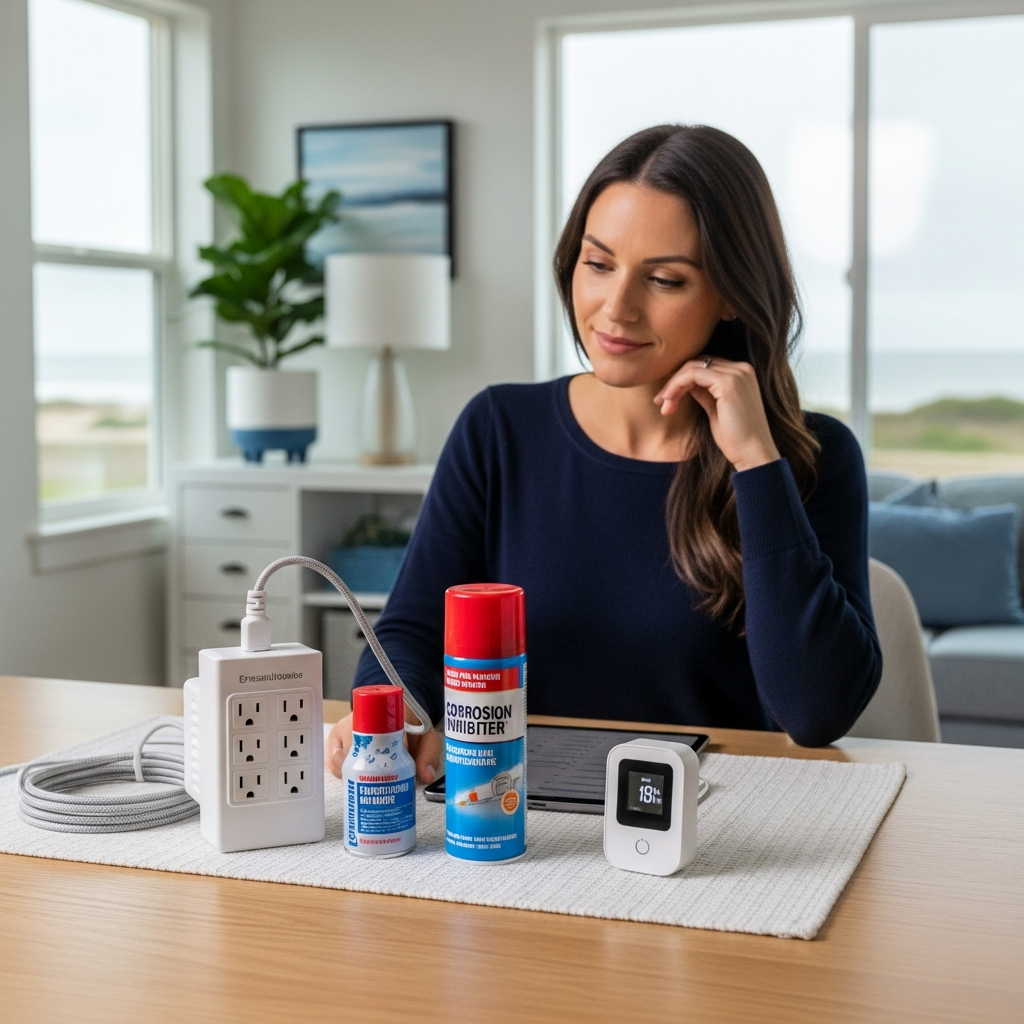
• Essential (Must-Do, relatively low cost): Whole-home surge protector (if not already installed) – Florida insurance, if you will, to protect appliances . Pool heater tune-up – ensures no surprise failures during guest stays. Corrosion control materials – a few cans of corrosion block spray or a service to coat the AC coils will extend equipment life. These are typically modest costs compared to the replacements they prevent. Emphasize the risk vs reward: a $200 surge protector can save a $2,000 fridge or AC board; a $100 service call on the pool heater can save a $500 emergency repair and a refund to a guest.
• Nice-to-Have (Optional Upgrades): Extra sensors or smart tech – for example, a smart humidity sensor to remotely monitor RH, or a freeze alarm that alerts if temps drop too low. Upgraded pool cover – maybe the property has a basic solar blanket, but an owner might ask about an automatic cover (great but pricey – not necessary unless the pool is used constantly). Another nice-to-have could be a whole-home dehumidifier integrated into the HVAC – useful, but not essential if you can manage with existing equipment. Upgraded linens or amenities for winter – like thermal curtains or luxury throws – also optional. In the playbook, note these as “Opportunities to enhance” with approximate costs, but make clear they aren’t required.
• Not Recommended (Overkill for climate): This includes things like insulating pipes (except perhaps an exposed attic pipe), purchasing heated blankets for beds (not really needed, and a liability if misused), or doing a full “winterization closing” like one would up north (draining water lines, etc., which would actually be harmful here given constant occupancy and rare freezes). Also, say an owner from Minnesota insists on heat tape on all pipes – you can point out that “even in the famous 1980s Florida freezes, properly running water systems were fine ; our strategy of running pumps and dripping faucets covers it.” Back this up with data or expert consensus – e.g., local extension service advice that typical Florida homes don’t need pipe insulation in most cases . By documenting this, you set guardrails against unneeded expenses.
3. Decision rules for owner requests: Sometimes an owner might insist on a precaution that you feel is unnecessary. Use clear criteria to evaluate these requests:
• Climate Appropriateness: Does the measure address a realistic risk in South Florida? (e.g., owner wants to board up windows for a 50°F wind… not needed). If no, gently educate them with facts. If yes (like adding a pool cover – yes that’s useful), proceed or budget for it.
• Impact on Guest Experience: Will the request improve guest comfort/safety, or could it possibly detract? Example: an owner wants to turn off the pool heater to save money in winter unless guest pays extra. Decision rule: If the rental listing promises a heated pool, you shouldn’t turn it off and create a bad guest experience – instead, discuss adjusting nightly rates or clearly marketing pool heat as extra. Another example: owner wants to remove all outdoor furniture for winter to “protect it.” In South FL, guests expect to use outdoor spaces year-round. Say no to that overkill – instead maintain the furniture (maybe compromise by covering it when not in use, but don’t deprive guests of an amenity).
• Cost vs. Benefit vs. Risk: Essentially a mini risk assessment. For each suggested winter prep item, weigh the cost against the likelihood and severity of the problem it prevents. Use examples: Pipe wraps everywhere? Cost in materials and labor maybe $500, but likelihood of pipes freezing and bursting is near zero in Broward County – not a good ROI. On the other hand, surge protector? cost $300 installed, likelihood of surges is high (Florida storms) and severity can be huge (fire or fried electronics) – very good ROI. This kind of framing helps owners understand why you prioritize certain things over others.
Document these rationales so owners see you have a logical strategy, not just penny-pinching or laziness. Often, out-of-state owners just need assurance that their property is cared for according to local conditions.

4. Small upfront costs, major failure prevention: Highlight a few case studies or examples to drive home the point. For instance: “By spending $150 on corrosion mitigation and a fresh coat of epoxy paint on the outdoor stair rail, we likely added 5 years to its life – avoiding a $1000 replacement next year due to rust.” Or “Last January, our pre-winter HVAC check found a weak capacitor – a $80 fix – which could have failed on a cold night leaving guests with no heat (and potentially a $400 emergency call).” Also, “One guest’s review mentioned how nice it was to have extra blankets and a heated pool – that $20 in cocoa and blankets helped secure a 5-star review, which in turn drives more bookings.” These concrete examples make it real for owners that your measured approach prevents 1-star disasters and expensive fixes.
Emphasize that winter prep in South Florida is more about preventative maintenance and guest comfort than avoiding freezing catastrophes. It’s an investment in reputation and longevity: a little money spent on the right things will save a lot in avoiding mid-stay failures or refunds. Conversely, money spent on true “overkill” items is wasted and could even cause guest annoyance (imagine wrapping all the outdoor palms in burlap for frost – not only unnecessary, it’d ruin the tropical vibe guests expect).
Finally, set boundaries: If an owner insists on an unnecessary measure, have a policy. For example, you can comply but at their cost and gently note potential downsides: “We can certainly install foam pipe insulation on all exterior lines if you wish, though our professional opinion is it isn’t needed. We’ll note that it may trap moisture and require removal later. If you’d like to proceed, the cost is $X and we’ll schedule it.” Often when faced with cost and a note that it’s against professional advice, owners reconsider. If they don’t, at least you’ve covered yourself.

Your owner playbook for winter should instill confidence that you are neither under-preparing nor over-spending. It shows you understand South Florida’s unique winter needs and are taking smart actions accordingly. By defining what “winterization” means in this context, both you and the owners can avoid miscommunication. They won’t expect snow plows and antifreeze, and you’ll have the green light to implement the truly important measures like surge protection, HVAC care, and guest comfort touches that keep the property safe and guests (and reviews) happy. It’s all about focusing effort and budget where it counts, and not sweating (pun intended) the rest.