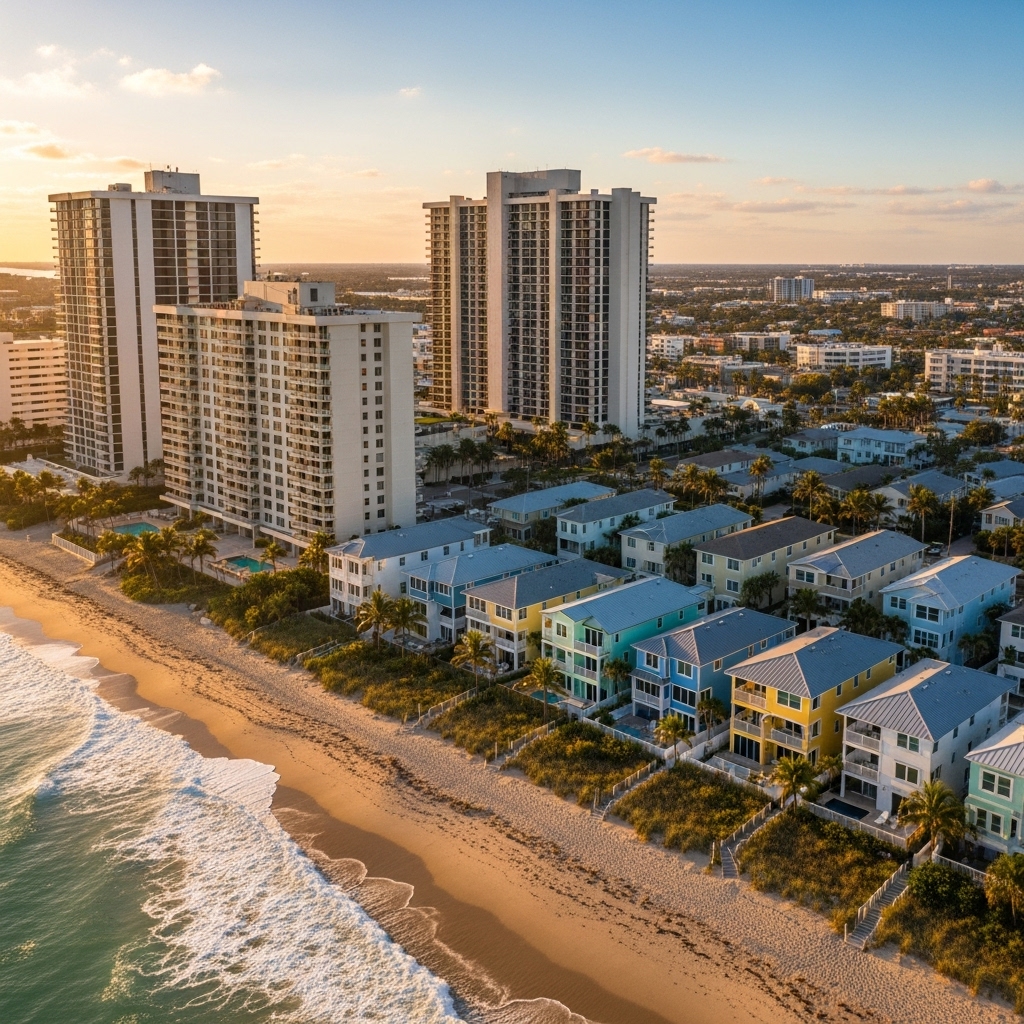


Beachside short-term rentals in South Florida operate under some of the strictest noise, occupancy, and enforcement standards in the country. Between aggressive local ordinances, HOA scrutiny, and platform-level anti-party enforcement, operators can no longer rely on “good guests” alone to protect their assets.
This guide outlines practical, privacy-safe Standard Operating Procedures (SOPs) for deploying noise and occupancy sensors in coastal STRs — without violating Florida law, guest trust, or platform rules. The focus is operational: what to install, where to place it, how to disclose it, how to respond, and how to document compliance when enforcement or disputes arise.
We intentionally avoid product comparisons, generic “why noise matters” explanations, and overlap with pricing, HOA, or tech-stack blogs already published.
Legal & Regulatory Baseline (Florida + Coastal Cities)
Before installing any monitoring device, operators must understand what is legal — and what is not.
Florida Privacy Law (Non-Negotiable)
- Florida is a two-party consent state for audio recording. Recording conversations without consent is illegal.
- Noise sensors may only measure decibel levels. They cannot record, store, or stream audio.
- Interior cameras are prohibited in areas with an expectation of privacy (bedrooms, bathrooms). Even disabled cameras in living areas violate Airbnb policy.
Bottom line:
Noise sensors must be decibel-only. No audio. No hidden devices. No interior cameras.
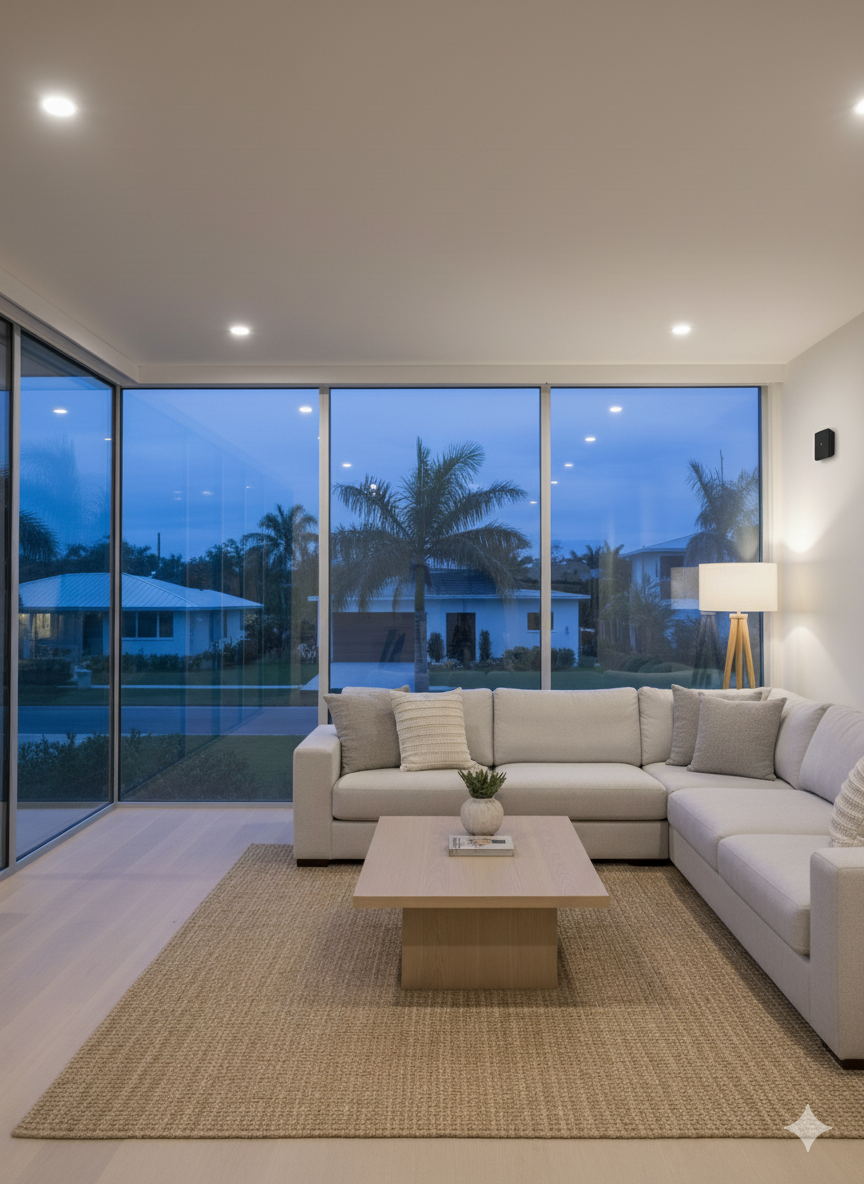
Coastal City Enforcement Snapshots
Miami Beach
- Occupancy: 2 guests per bedroom (children under 2 excluded).
- Noise enforcement is aggressive; violations can result in license revocation.
- Most residential zones prohibit STRs entirely — legal listings face strict oversight.
Fort Lauderdale
- Noise monitors are mandatory.
- Quiet hours: 10 PM–7 AM; sound cannot be audible beyond 25 feet.
- Noise data must be retained 180 days for inspection.
- Occupancy capped at 2 per bedroom; gatherings limited to 1.5× overnight occupancy.
Hollywood
- Noise monitoring devices are required.
- Night limit: ~55 dBA at property line.
- Occupancy enforced strictly; “parties” are defined by headcount and noise, not intent.
- Hosts must respond within 30 minutes before city escalation.
Palm Beach County / West Palm Beach
- Statewide occupancy standard: 2 guests per bedroom + 2 additional guests.
- Quiet hours enforced; STR bans still apply in some municipalities (e.g., Town of Palm Beach).
Key enforcement reality:
Cities increasingly rely on logs, timestamps, and proof of response — not neighbor testimony alone.
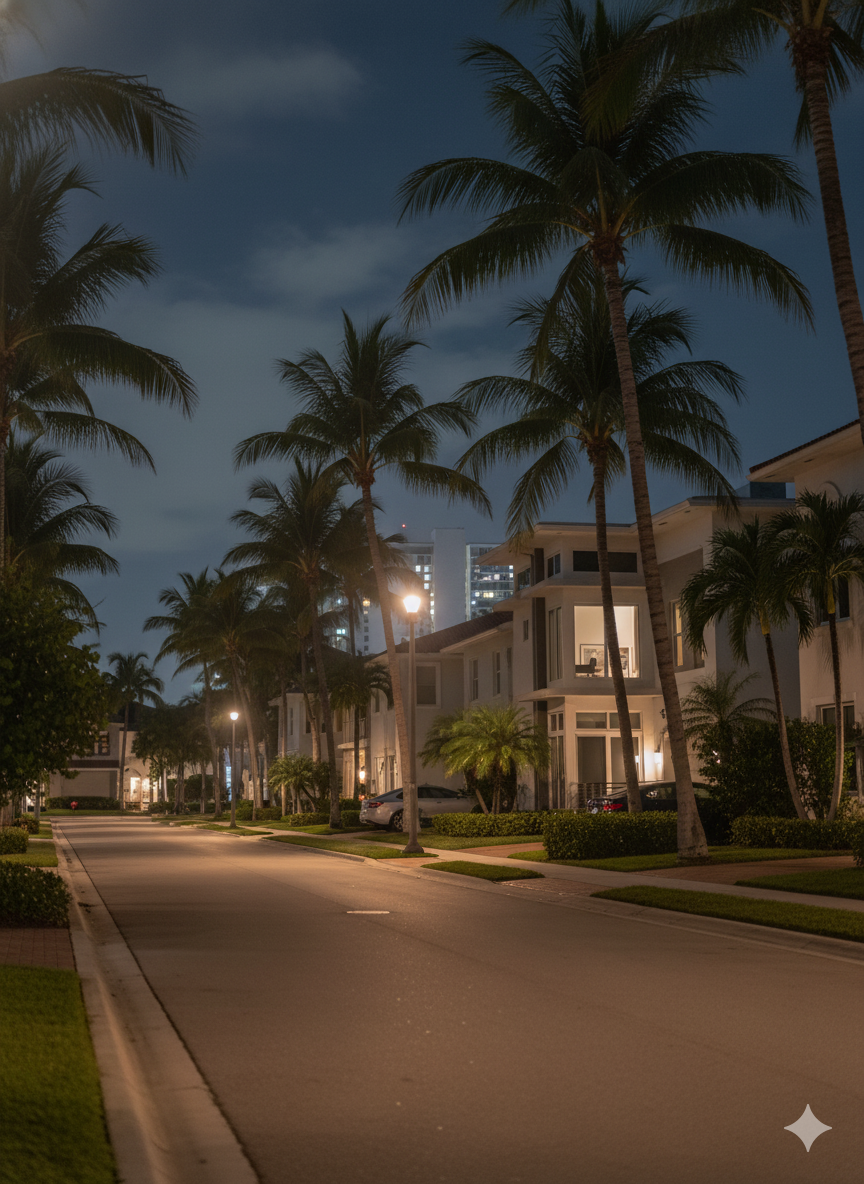
Sensor Types & Data Boundaries
Noise Sensors
- Measure decibel levels only
- No audio, no voice recognition
- Used to detect sustained excessive noise, not content
Occupancy Sensors (Indirect)
- Estimate crowd size via:
- Device counts (Wi-Fi/Bluetooth)
- Motion patterns
- CO₂ levels
- Do not identify individuals
- Used to flag likely over-occupancy events
Environmental Sensors
- Monitor CO₂, temperature, humidity
- Provide contextual signals that support noise or occupancy alerts
Compliance rule:
All sensors must be disclosed, camera-free, and placed only in non-private areas.
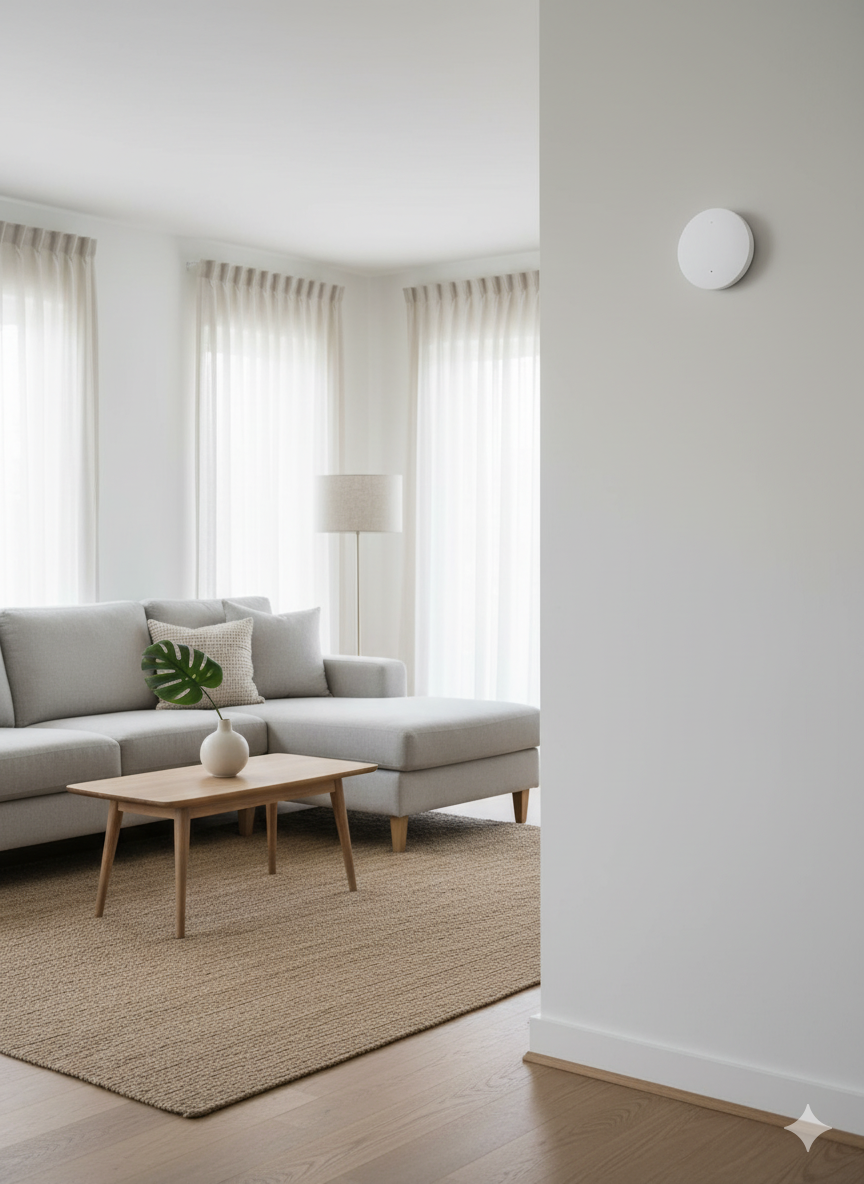
Sensor Placement SOPs (Beachside-Specific)
Indoor Placement
- Living room, kitchen, shared common areas only
- Ceiling or high-wall placement preferred
- Never in bedrooms or bathrooms
Outdoor Placement
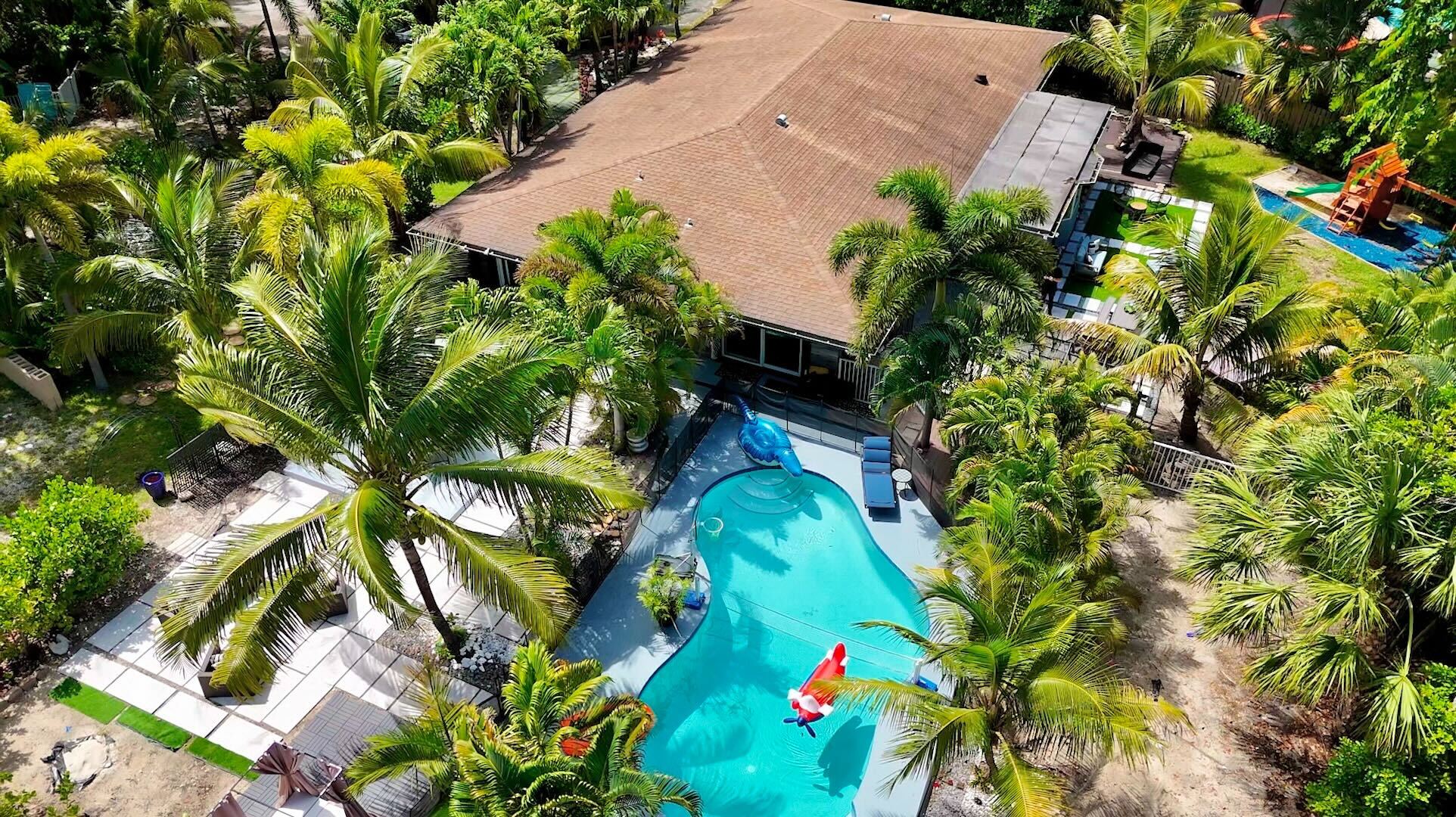
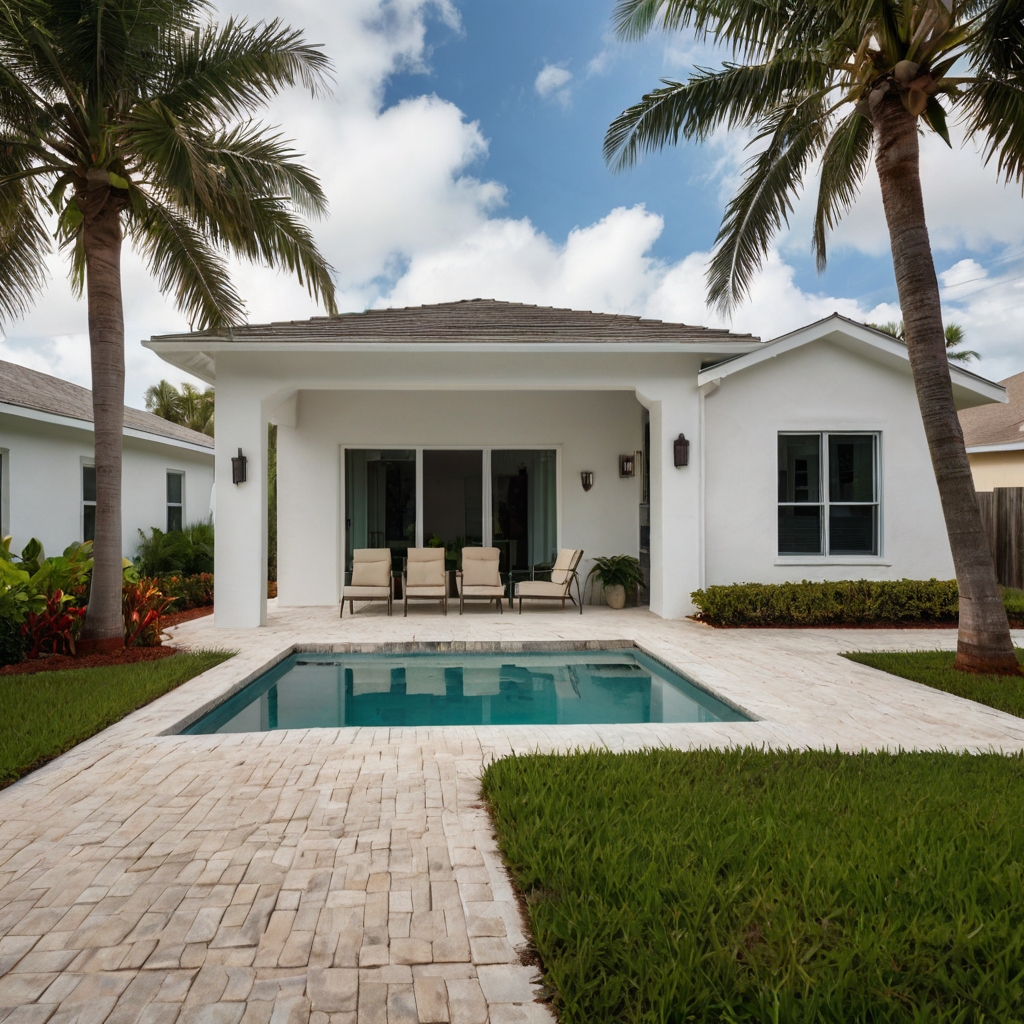
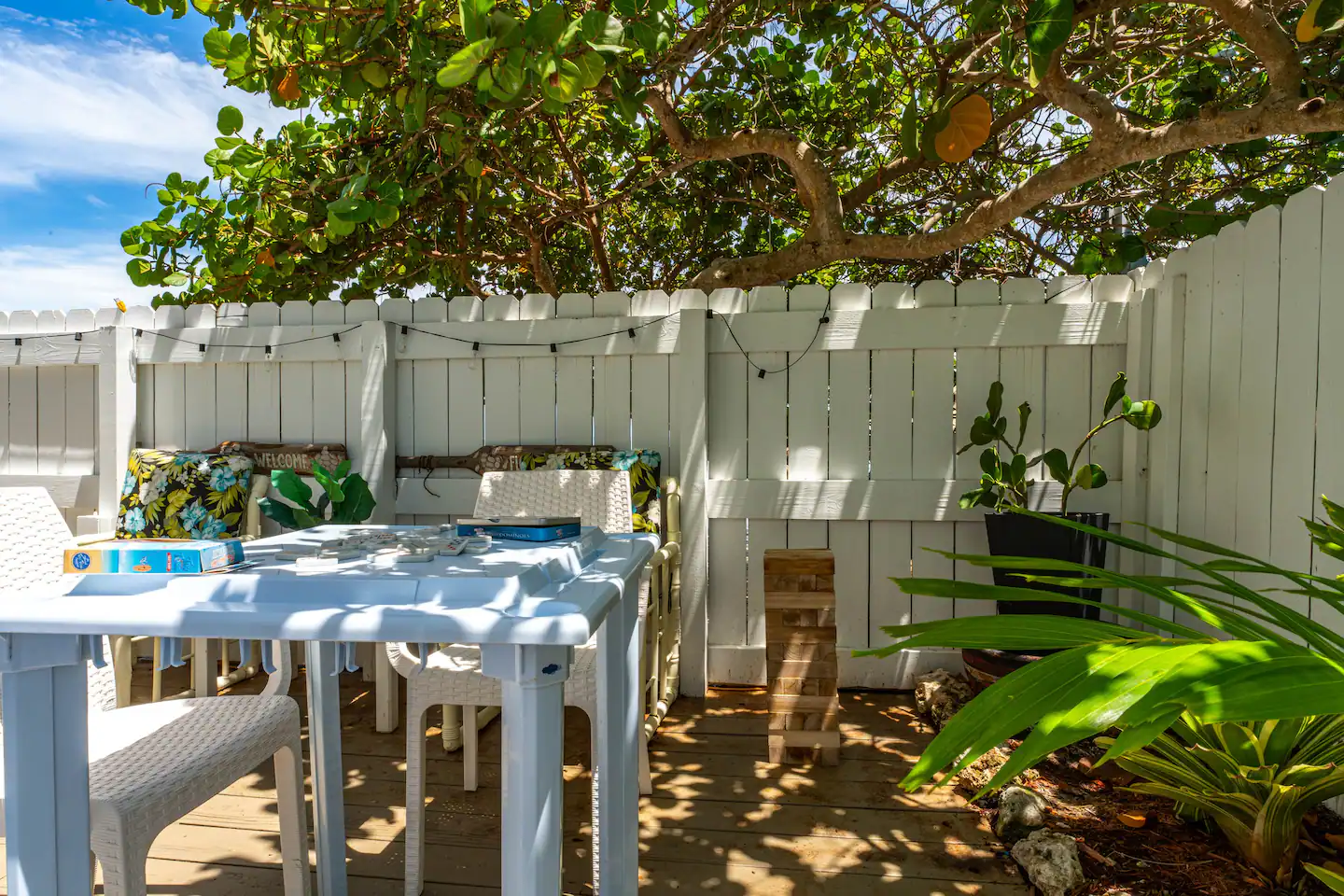
- Pool decks, patios, balconies, rooftops
- Mounted facing your property, not neighbors
- Weather-rated devices required (salt air, humidity)
Beach Environment Adjustments
- Account for wind, surf, and ambient noise
- Use devices with environmental filtering
- Set separate day vs night thresholds
Condo vs Single-Family Homes
- Condos: prioritize shared walls, balconies, entryways
- SFHs: combine indoor + outdoor sensors to prevent “moving the party outside”
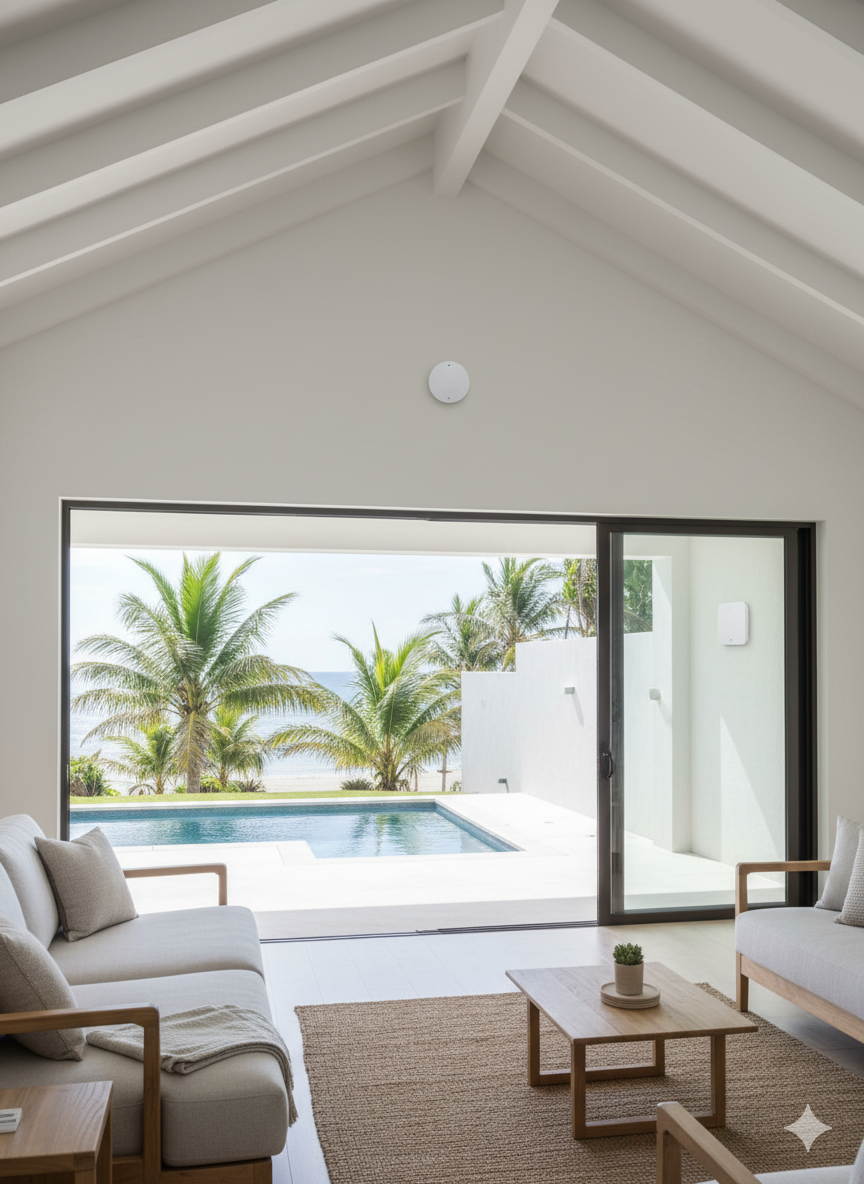
Guest Disclosure & Consent Framework
Where to Disclose
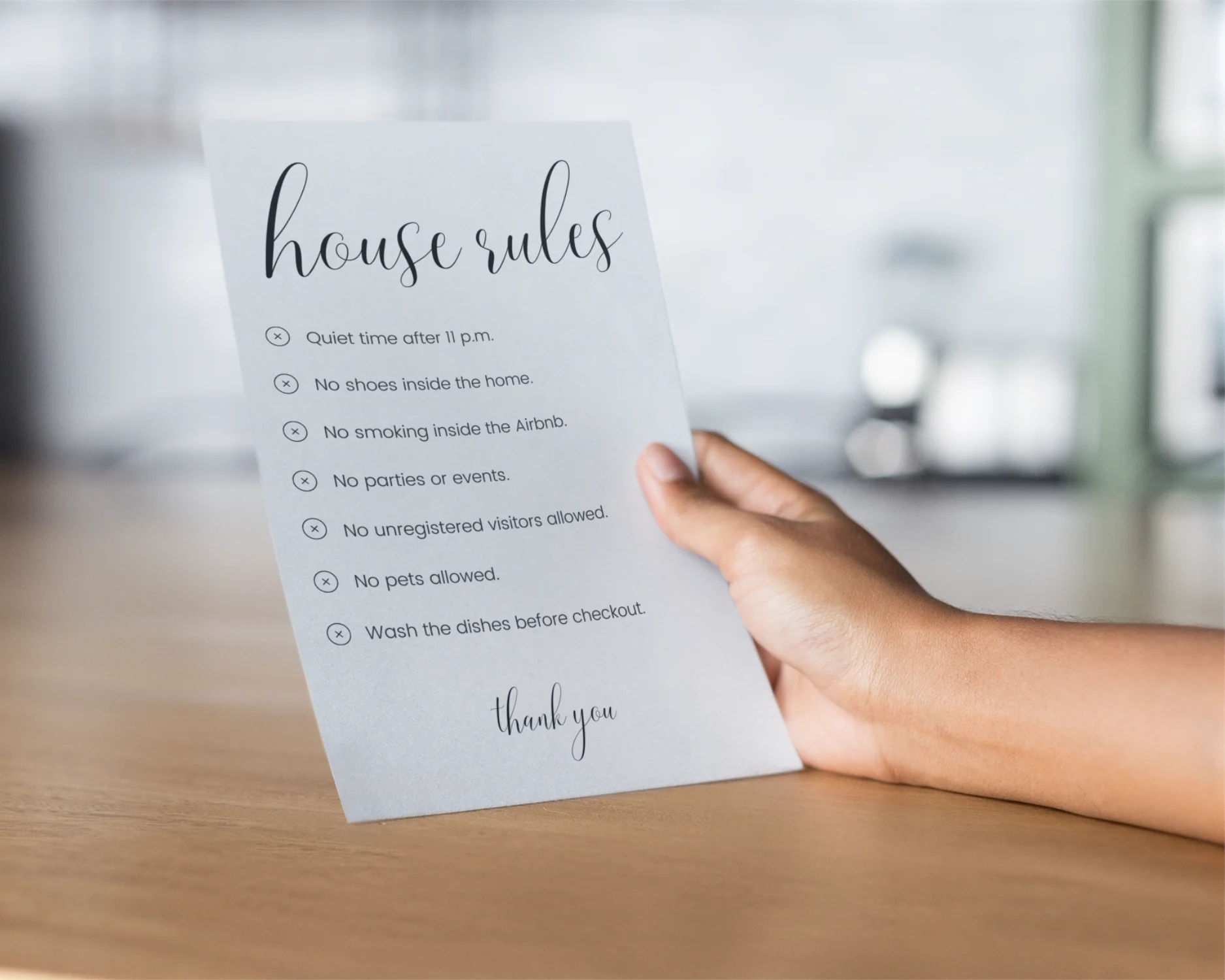
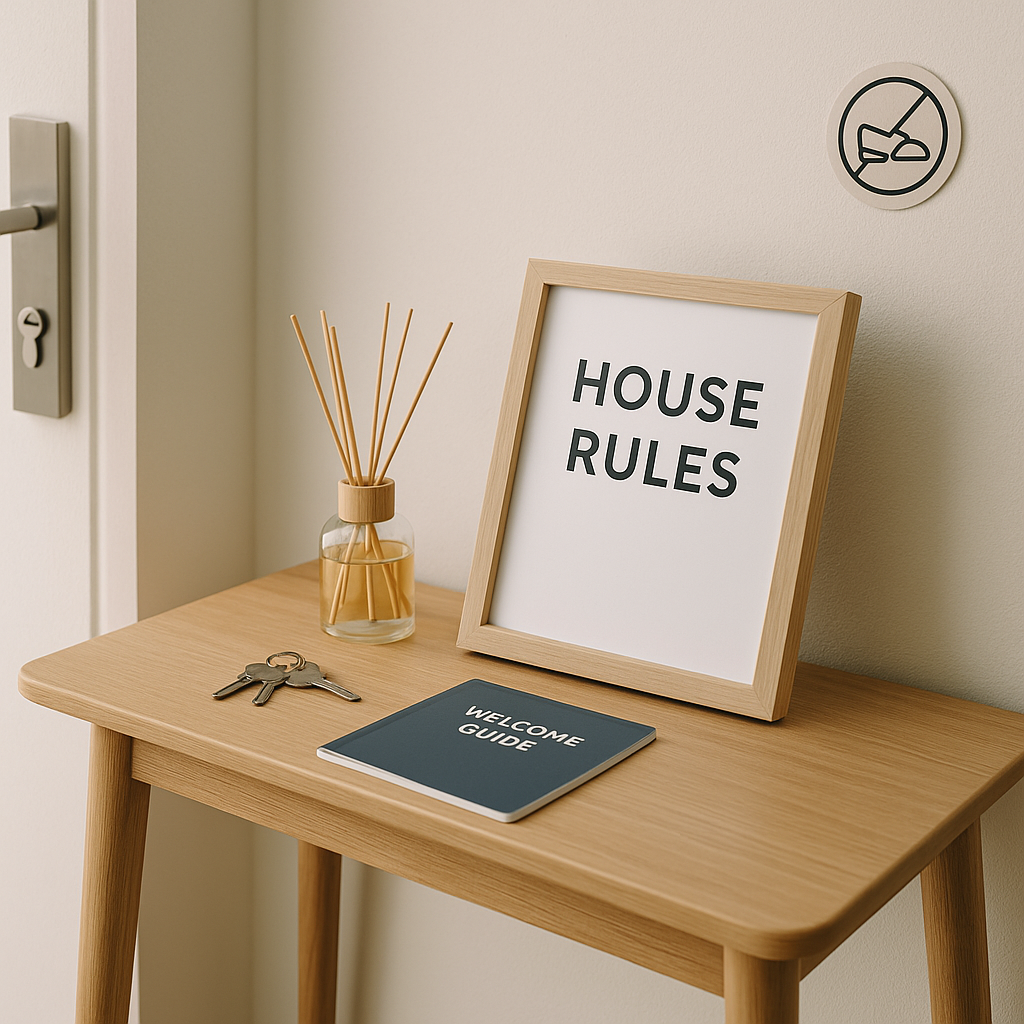
- Listing description / House Rules
- Pre-arrival messaging
- In-home signage (often required by city ordinance)
- Rental agreements (for direct bookings)
How to Phrase It
- Use terms like “privacy-safe noise monitor”
- Clearly state:
- No audio recording
- No cameras
- Purpose is compliance, not surveillance
Effective framing:
“This helps ensure a peaceful stay and keeps the home in good standing with the community.”
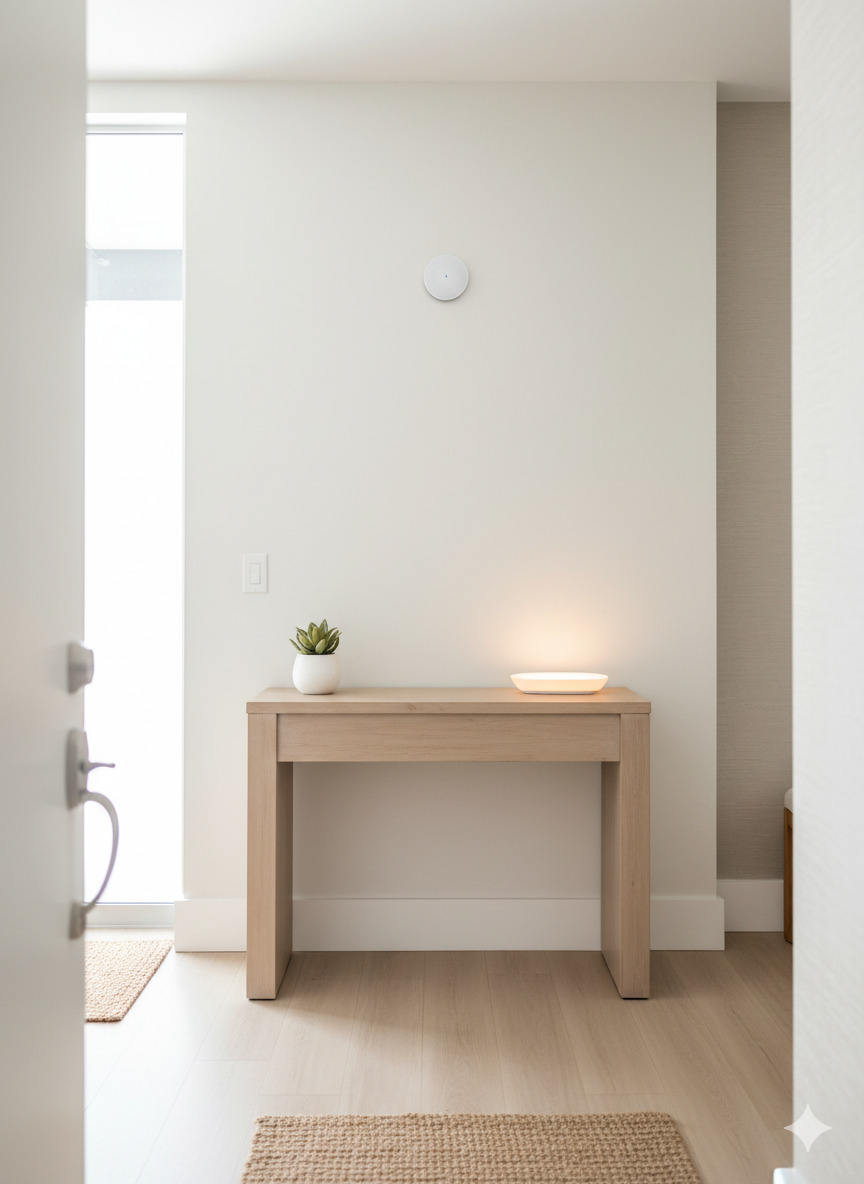
Alert Thresholds & Escalation SOPs
Recommended Thresholds (Starting Point)
- Daytime: ~70–75 dB sustained
- Nighttime: ~55–60 dB sustained
- Duration matters more than spikes
Escalation Ladder
- Automated guest reminder
- Manual follow-up message or call
- On-site response (host, security, or local contact)
- Platform escalation / authorities (last resort)
When Not to Escalate
- Brief spikes that self-resolve
- Daytime noise within reasonable limits
- Weather-driven anomalies
Always document every step.
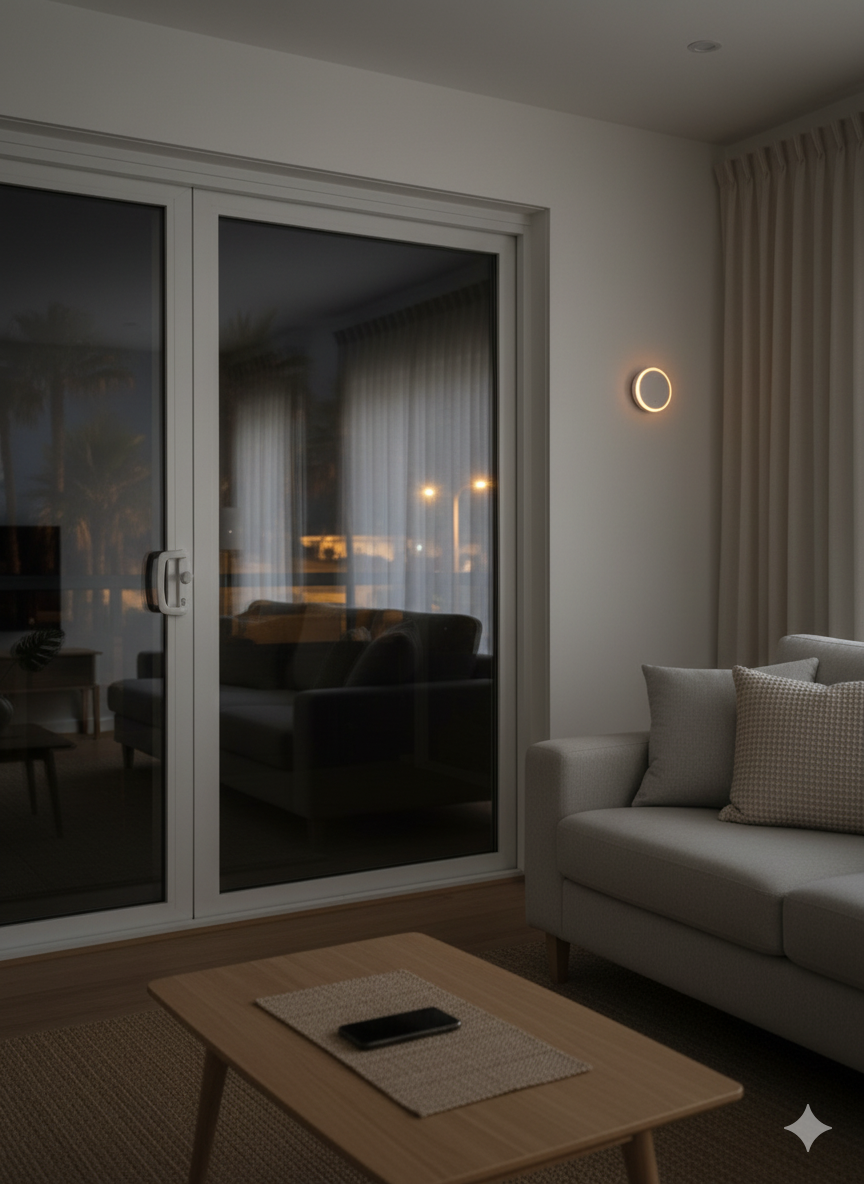
Logging, Documentation & Audit Trails
What to Keep
- Noise logs (minimum 180 days)
- Screenshots of alerts
- Guest communication records
- Incident reports with timestamps
Why It Matters
- Defense against fines
- Airbnb dispute protection
- HOA or city audits
- Insurance and liability support
Treat logs as compliance insurance.

Operations & Team Workflow Integration
- Assign clear on-call responsibility
- Ensure after-hours coverage
- Train staff on escalation scripts
- Sync cleaners and inspectors into feedback loop
- Centralize alerts across portfolio
Technology without workflow fails.

Common Beachside Risk Scenarios to Model
- Holiday weekends & spring break
- Weather-driven indoor crowding
- Pool parties that escalate after sunset
- Quiet over-occupancy violations
- Repeat offenders vs one-off incidents
Each scenario should map to a predefined response — no improvising at midnight.
Reviews, Reputation & Platform Risk
- Maintain hospitality tone even during enforcement
- Keep all communication on-platform
- Escalate to Airbnb early when needed
- Avoid punitive fines; focus on compliance
- Protect against “party house” flags
Firm enforcement + respectful communication = five-star survival.
Owner & Investor Reporting Value
Translate SOPs into outcomes owners care about:
- Fines avoided
- Complaints prevented
- Asset protection
- Permit risk reduced
- Reputation preserved
Frame sensors as risk management tools, not surveillance.
Topics Intentionally Not Covered
- Product comparisons
- Pricing or ADR strategy
- HOA negotiation playbooks
- Smart-home tech stacks
- Punitive fee structures
This guide is about operations, compliance, and control — nothing else.
Noise and occupancy sensors are no longer optional for beachside STRs in South Florida. When deployed with clear SOPs, transparent guest communication, and disciplined escalation, they protect not just your property — but your license to operate.
Used correctly, these tools prevent problems quietly, legally, and professionally — exactly how high-performing STR operations should run.