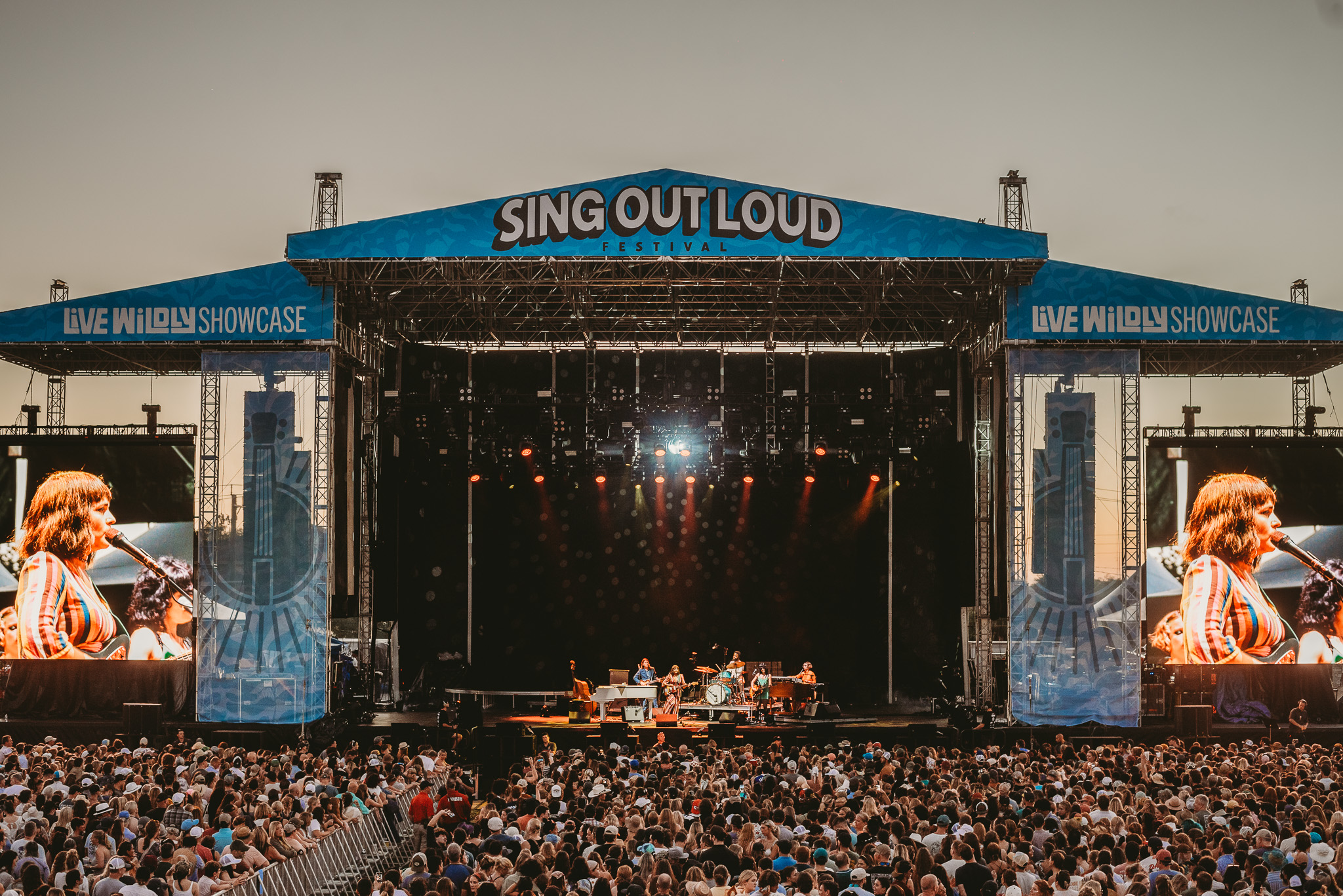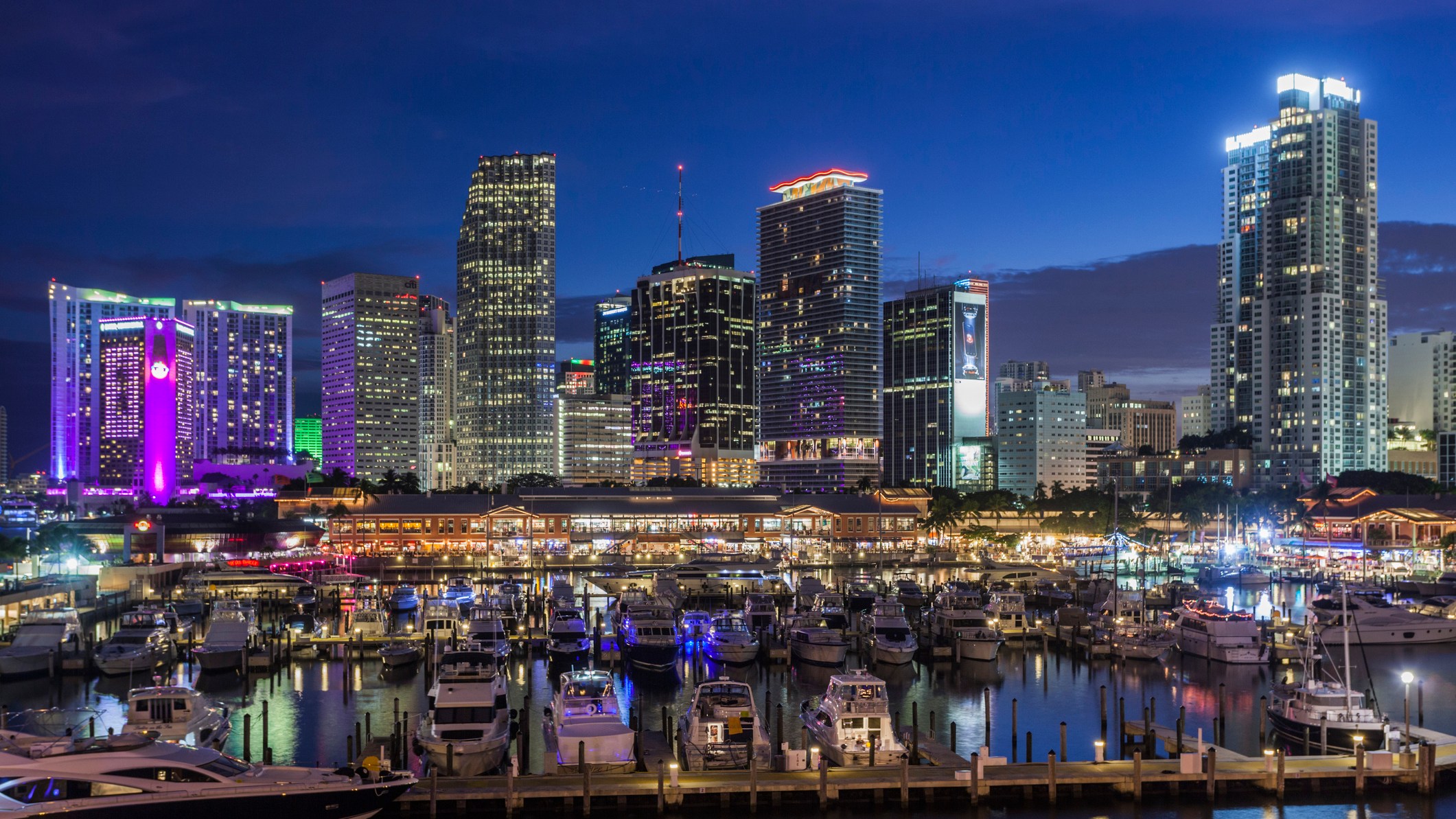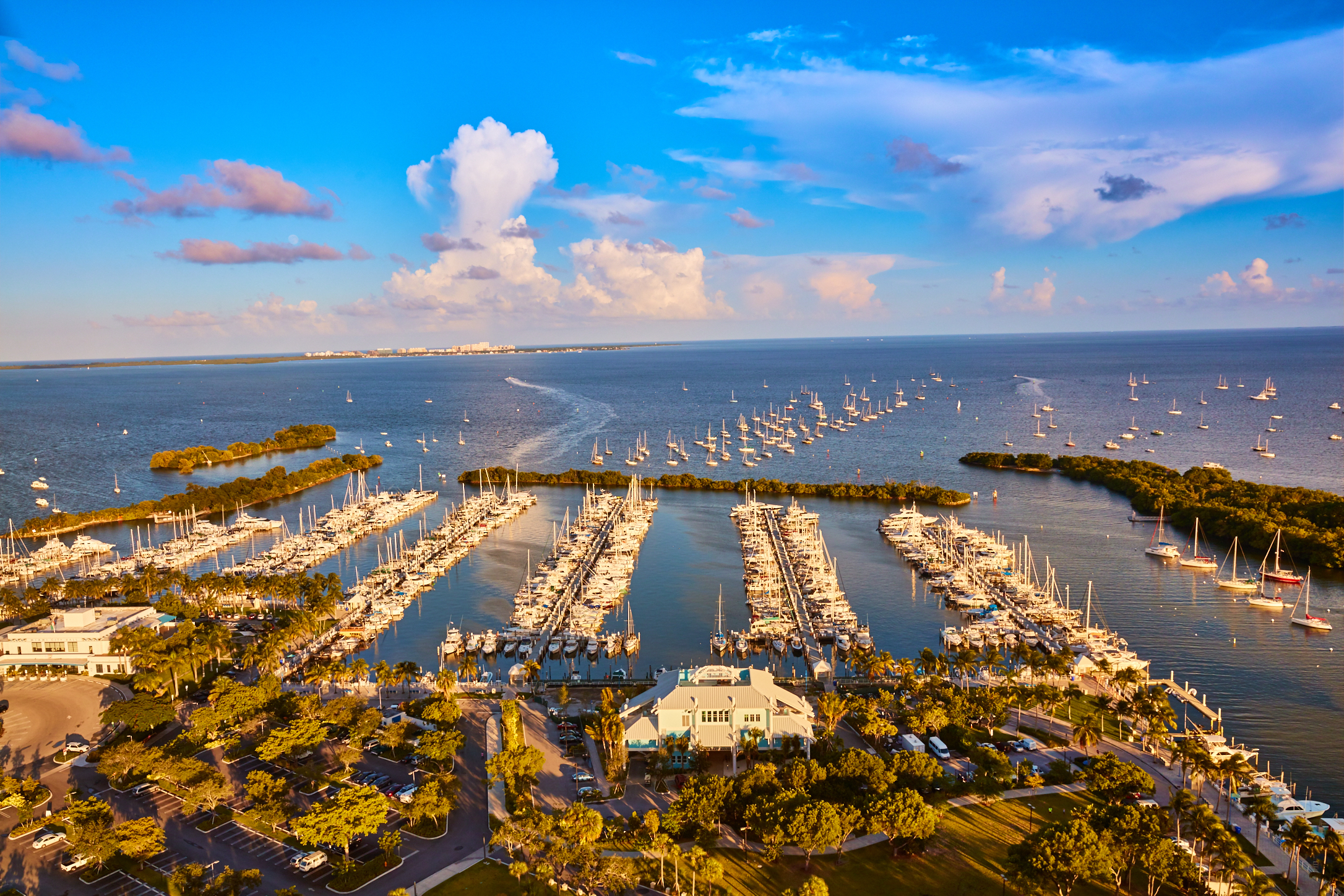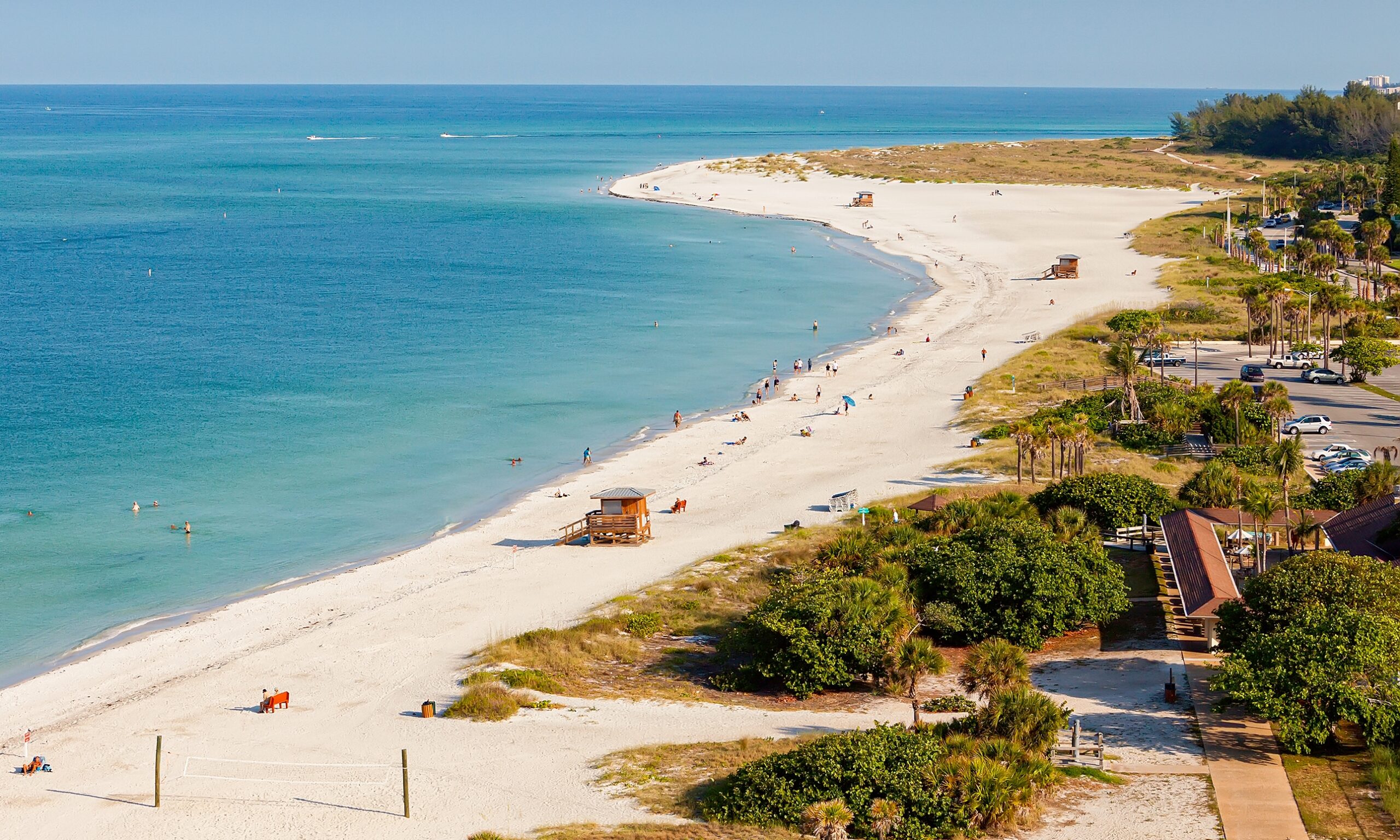


Florida’s Tourist Development Tax (TDT)—the “bed tax” paid by visitors—quietly funds the visibility machine that keeps South Florida top-of-mind: destination ads, convention sales teams, beach and facility investments, and the events ecosystem that fills calendars. If those dollars get redirected, STR owners won’t see an instant cliff… but you could see a slow squeeze in the exact places where marketing matters most: shoulder seasons, first-time visitors, and international demand.
Here’s what’s being discussed, what it could mean for SoFlo STR visibility, and how smart owners should prepare.
How Tourist Development Taxes work in Florida
Florida’s TDT is a county-option tax (up to 6%) on short-term lodging (generally stays under six months). Visitors pay it; the county collects it. And under Florida law, those dollars are typically restricted to tourism-related purposes—things like:
- Destination marketing (your local CVB/DMO campaigns)
- Convention and sports/event recruitment
- Beach renourishment and coastal assets
- Tourist facilities and related debt service
- Tourism-oriented capital projects
Each county decides its “tourist development plan,” often guided by a Tourist Development Council (TDC). That plan is why you’ll see different mixes across Florida: some counties heavily prioritize promotion; others prioritize beach work, venues, or capital projects.
The big takeaway: TDT is one of the few dedicated funding streams that keeps demand-generation and tourism infrastructure moving without hitting residents directly.

What “reallocation” actually means (and what it doesn’t)
When people say “reallocate tourist taxes,” they usually mean:
- Redirect existing bed-tax dollars to other uses, instead of increasing the rate.
So it’s not automatically:
- a new tax on STRs,
- a higher tax on guests,
- or a sudden platform change.
It’s closer to a budgeting shift: the same pie gets sliced differently—and tourism marketing can become the slice that shrinks.
Why does that matter to owners? Because marketing budgets are often the “flex” line item. Debt service and mandated capital commitments are harder to change quickly. Promotion is the easiest lever for governments to pull when they want money for something else.

Why reallocation is being discussed now
Across Florida, tourism tax dollars are tempting because they’re large, visible, and politically easier to repurpose than raising property taxes or cutting services. The common drivers behind “why now” include:
- Property tax pressure (especially in high-cost counties)
- Affordable housing strain, including workforce housing conversations
- Storm recovery and resilience costs
- Infrastructure gaps and public facility costs
- A philosophical push to make bed-tax dollars more “general purpose”
Even when proposals don’t pass, the conversation itself signals something important: tourism promotion is no longer politically untouchable.

What changes matter for 2025–2026 and beyond
The specifics shift by session and county, but the strategic risk for owners is stable:
- If Florida loosens rules or mandates a diversion,
- counties may reduce what goes to DMOs/CVBs, and
- marketing and convention sales efforts are among the first programs to feel it.
This isn’t always immediate. Tourism is sticky. But marketing cuts don’t show up as “one bad month”—they show up as slower future booking pace, weaker shoulder seasons, and a more competitive fight for each booking.
What happens when DMOs have less money
If destination marketing budgets shrink, you’ll typically see changes like:
1) Less digital demand generation
DMOs run high-volume, targeted digital campaigns (paid search, social, video, retargeting). Budget cuts reduce reach and frequency—meaning fewer potential travelers enter the “South Florida consideration set.”
2) Shoulder season gets hit first
Off-peak travel is where promotion is most useful. If budgets tighten, many DMOs prioritize core periods and reduce discretionary off-season pushes. Owners feel this as:
- weaker summer occupancy,
- softer fall weekends,
- slower lead times for “in-between” dates.
3) International and “new visitor” demand weakens over time
Repeat visitors come anyway. First-timers need inspiration. International travelers often require consistent, targeted messaging and trade outreach. Marketing reductions can quietly lower the share of travelers who “discover” the destination.
4) Convention and group business becomes harder to win
Convention calendars are built years out and often require sales teams, relationship-building, and incentive packaging. If DMO sales capacity shrinks, the future pipeline can thin—impacting weekday demand, especially in urban STR markets.

What this means for STR demand (and why it’s not an instant pricing crisis)
A marketing pullback is primarily a visibility and funnel problem, not an overnight pricing collapse.
What may change first:
- Booking pace slows (fewer “new eyes”)
- More competition for the same demand
- Higher dependency on platform algorithms
- More sensitivity to listing quality and reviews
What usually doesn’t happen immediately:
- Guests don’t cancel trips because they saw fewer ads.
- Iconic destinations don’t lose relevance overnight.
But the compounding effect matters: a small reduction in “new demand” each year can turn into a measurable gap in 2–3 years—especially in markets that rely on international travelers, conventions, and event-driven spikes.

Platforms won’t “replace” destination marketing
Airbnb, Vrbo, and OTAs spend huge sums on marketing—but they market the platform, not your county.
Platform ads influence:
- where people book,
- how they shop,
- which channel wins the transaction.
DMOs influence:
- whether people choose South Florida in the first place,
- which season they travel,
- what experiences pull them into the region.
If destination marketing shrinks, platforms won’t run special campaigns to “save” Miami-Dade or Broward. They’ll simply route demand to wherever demand is already strongest.
For owners, that often translates into:
- more algorithm competition,
- more discount pressure in soft periods,
- and greater importance of conversion rate (photos, reviews, amenities, positioning).

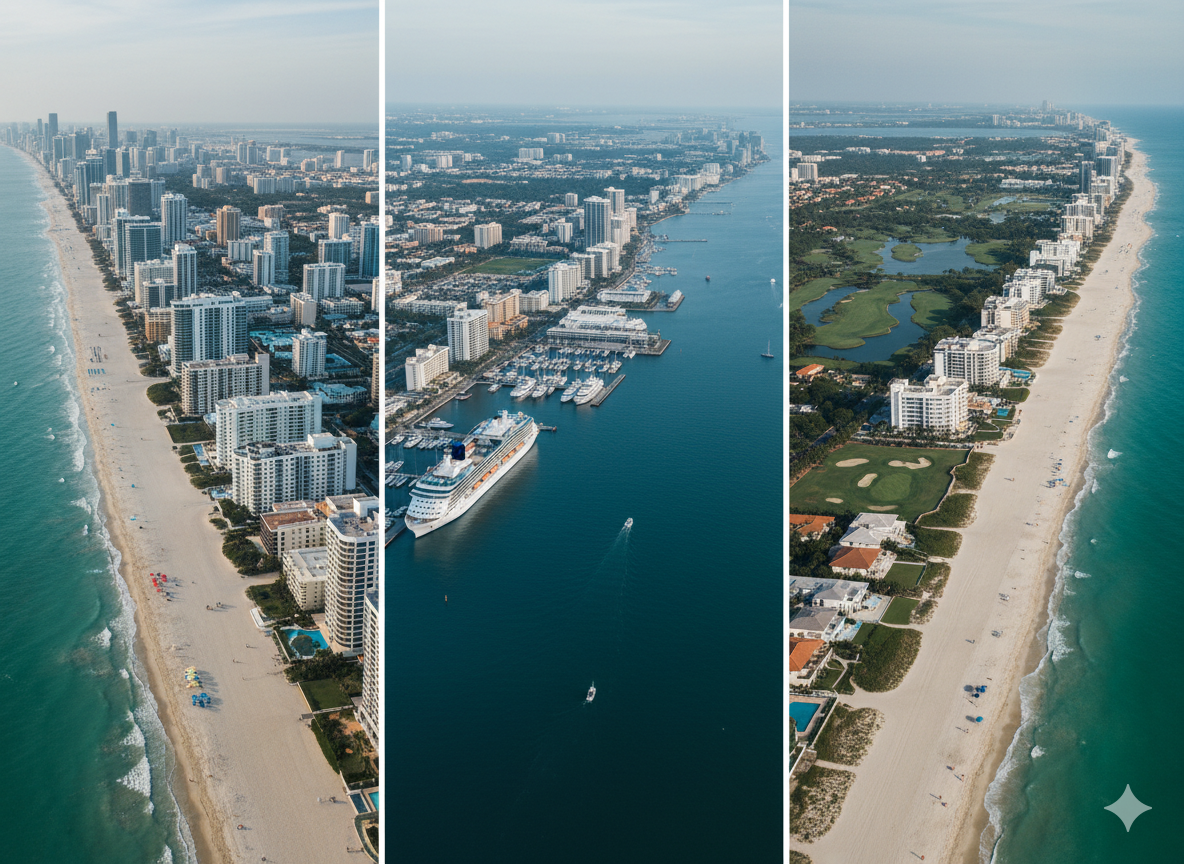
South Florida sensitivity: Miami-Dade vs Broward vs Palm Beach
Not all SoFlo markets are equally exposed to destination marketing cuts.
Miami-Dade: highest exposure
Miami’s visitor mix includes a substantial international share and strong event/convention dependence. That’s exactly the demand type most influenced by destination marketing and sales outreach. If budgets shrink, the long-term risk is:
- slower international growth,
- softer event-driven demand spillover,
- and more competition versus other global beach/city destinations.
Broward: moderate exposure with a resilience buffer
Broward’s demand tends to skew more domestic and regional. That offers some insulation, but Fort Lauderdale still benefits from:
- convention demand,
- cruise adjacency,
- spillover from Miami events.
Cuts that weaken regional marketing and convention recruitment can show up as softer weekday compression and slower off-season recovery.
Palm Beach: lowest immediate exposure (but not immune)
Palm Beach benefits from a loyal seasonal base and higher “repeat” behavior. That makes it more resilient in the short-to-medium term. The risk shows up later:
- slower growth among younger/new audiences,
- weaker visibility for “beyond the island” submarkets,
- and less support for niche event-driven demand.
What sophisticated STR owners should monitor monthly
If you want to stay ahead of this, don’t guess—track the signals.
Policy & budget signals
- County commission agendas (especially summer budget season)
- TDT allocation line items
- State legislative updates during session
- DMO/TDC governance changes (structure is a clue)
Demand engine signals
- DMO campaign presence and seasonal pushes
- Convention center calendars and citywide bookings
- Airport arrival trends and hotel occupancy reports (as a market proxy)
- Your own booking pace vs last year (same dates, same lead time)
When owners get surprised, it’s usually because they track only their calendar—not the local demand machinery that feeds it.

Strategic prep for owners if marketing dollars shrink
This is where STR operators can out-execute the market.
1) Build demand insurance: direct + repeat
- Capture emails from guests (where permitted)
- Create a simple direct booking presence (even a lightweight site)
- Incentivize repeat stays and referrals
- Build “return guest” moments into the experience
When the top of the funnel weakens, your past guests become your best hedge.
2) Win on conversion, not just visibility
If fewer travelers are shopping your market, every click matters more.
- Upgrade photography
- Improve listing clarity and trust signals
- Add friction-reducing details (parking, noise rules, check-in simplicity)
- Tighten amenities around your guest segment (families, remote workers, pet-friendly)
3) Target resilient micro-segments
If your market becomes more competitive, choose segments that remain steadier:
- regional drive markets,
- visiting friends/family,
- medical or education visitors,
- mid-term stays during off-season,
- work-from-anywhere travelers.
4) Prepare your off-season plan now
Off-season is where reduced marketing hurts first.
- Create seasonal packages (monthly/weekly stays)
- Build partnerships (local experiences, gyms, coworking, beach vendors)
- Pre-plan pricing strategy and minimum-stay logic for softer months
5) Watch your market mix and concentration risk
If you own multiple units, diversify:
- traveler type,
- neighborhood profile,
- channel strategy,
- and seasonality exposure.
Even if you own one unit, you can diversify by making your product work for multiple segments.

Investor lens: treat this as a medium-term headwind
For investors, the most practical stance is conservative underwriting:
- assume slightly slower demand growth,
- focus on resilient locations and segments,
- prioritize operators who can generate demand independently.
This isn’t a reason to exit South Florida. It’s a reason to tighten strategy: great listings with strong repeat and direct funnels tend to outperform when top-of-funnel destination marketing gets weaker.

If tourist-tax dollars are redirected away from destination marketing, STR owners won’t see instant damage—but they may feel a gradual shift: softer shoulder seasons, slower booking pace, and tougher algorithm competition in city-centric and internationally driven submarkets.
The best preparation is straightforward:
- reduce dependence on destination marketing,
- strengthen repeat and direct demand,
- improve conversion,
- and monitor the signals before the calendar tells you the story.
If visibility becomes more “your job,” the owners who treat marketing and product quality as an operating system—not a one-time setup—will hold the line and capture share.